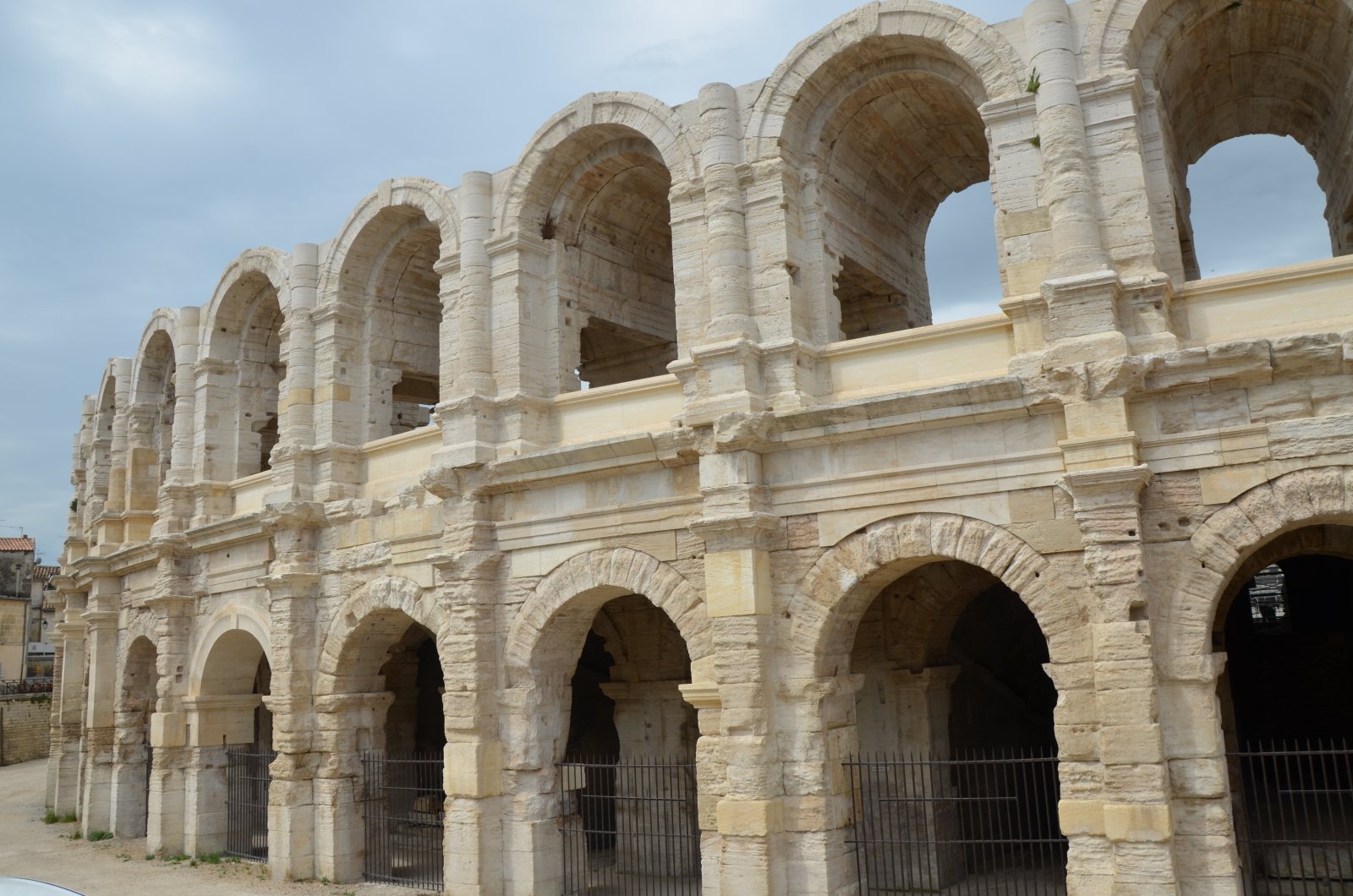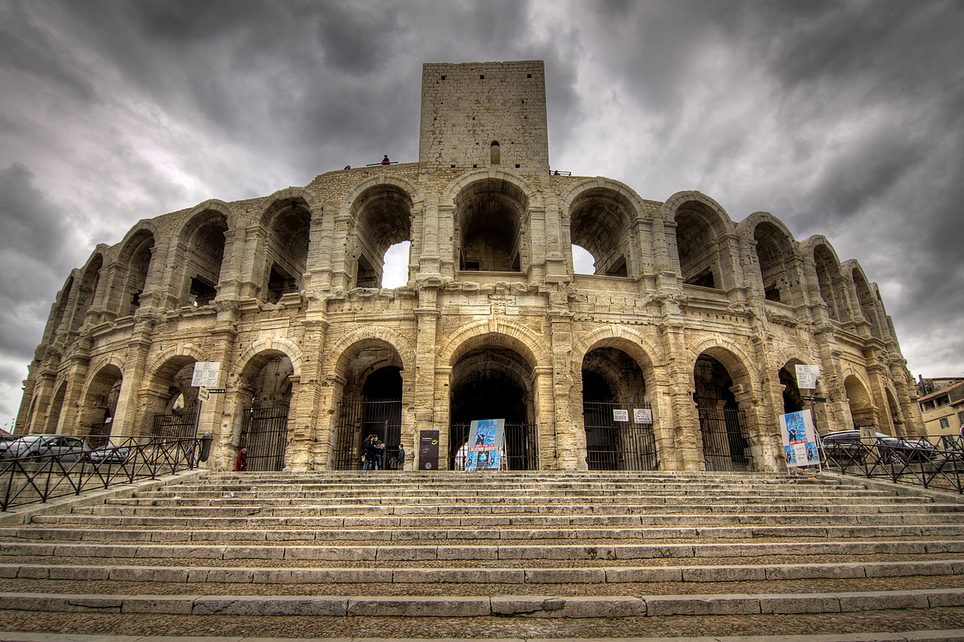

The Arles Amphitheatre (French: Arènes d'Arles) stands as a monumental testament to the grandeur of Roman engineering and entertainment culture. Nestled in the heart of Arles, a picturesque town in southern France, this ancient structure was completed in 90 AD and could accommodate over 20,000 spectators. It was originally constructed for thrilling spectacles, including chariot races and gladiatorial combat, drawing crowds from across the region to witness the blood-soaked excitement.
### History and Origins The Arles Amphitheatre is steeped in rich history. Built during the reign of the Flavian dynasty, it exemplifies the ambition of Roman architecture. Initially, it served as a venue for the brutal entertainment that defined Roman life, reflecting the empire's broader cultural practices. After the fall of the Roman Empire, the amphitheatre fell into disrepair, and for centuries it was repurposed, housing homes, shops, and even a chapel. The structure's preservation is a remarkable achievement, with restoration efforts commencing in the 19th century to maintain its integrity and historical significance.
### Art and Architecture The architectural style of the Arles Amphitheatre is a fascinating blend of Roman and local influences. Measuring 136 meters (446 feet) in length and 109 meters (358 feet) in width, the amphitheatre features an impressive array of 120 arches. It boasts an oval arena surrounded by terraces and arcades on two levels, showcasing the ingenuity of Roman engineering. Visitors can marvel at the 60 arcades that provide access to the upper levels, designed not only for aesthetics but also for managing the large crowds efficiently. The amphitheatre’s intricate drainage systems and staircases designed for swift exits further illustrate the thoughtful planning behind this ancient marvel.
### Local Culture and Traditions The Arles Amphitheatre remains deeply embedded in local culture and traditions. Today, it is not just a relic of the past but a vibrant center for cultural events. The amphitheatre hosts the Ferias, lively festivals celebrated throughout the year, featuring bullfighting, music, dance, and traditional Provençal costumes. These events not only showcase the region's rich cultural heritage but also attract visitors from around the globe, fostering a sense of community and shared history.
### Gastronomy No visit to Arles is complete without indulging in the local gastronomy that reflects the region's agricultural bounty. The town is famous for its bouillabaisse, a rich fish stew brimming with fresh Mediterranean flavors, and ratatouille, a vegetable medley that captures the essence of Provençal cooking. Pairing these dishes with a glass of rosé wine from the nearby vineyards enhances the culinary experience. For dessert, don't miss out on tarte tropézienne, a creamy brioche that is a beloved local specialty.
### Lesser-Known Curiosities While many tourists flock to the amphitheatre for its grand scale, several lesser-known curiosities make the visit even more intriguing. For instance, did you know that the amphitheatre was used as a fortress in the Middle Ages? Its sturdy walls provided shelter during turbulent times. Moreover, the Arles Amphitheatre was one of the first to implement a seating hierarchy, with the best seats reserved for the elite, a practice that mirrors modern sporting venues.
### Practical Visitor Information The best time to visit the Arles Amphitheatre is during the spring and early fall when the weather is mild, and the town is less crowded. Be sure to check the local event calendar, as the amphitheatre often hosts concerts and theatrical performances that add to its allure. When exploring, take the time to look for the ancient inscriptions along the arches, which offer a glimpse into the stories of those who once walked these grounds.
To enhance your visit, consider downloading the Secret World app to create a personalized AI itinerary that explores the rich tapestry of Arles and its ancient amphitheatre.