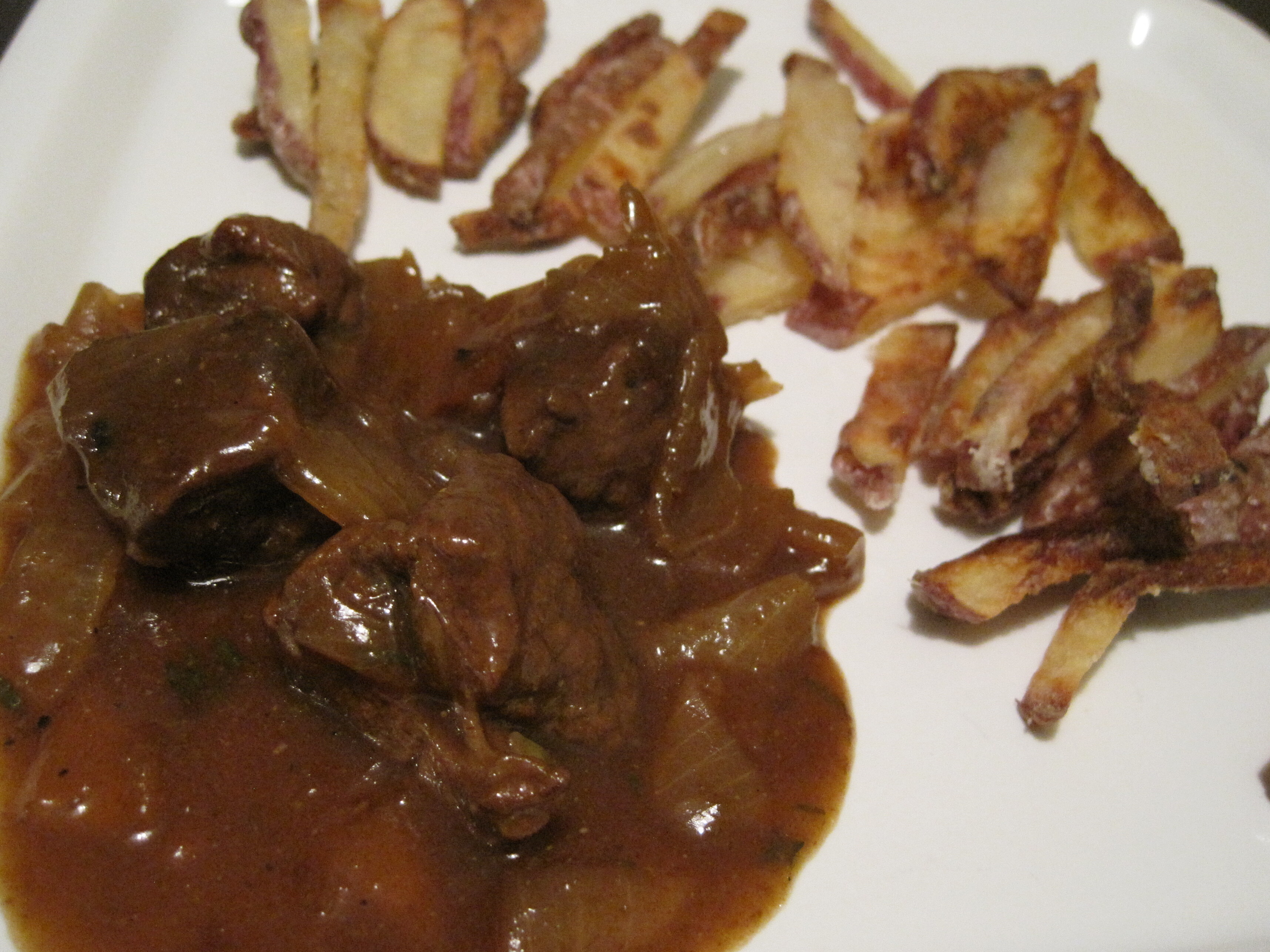

In the heart of Belgium, nestled within its rich culinary tapestry, lies the iconic dish known as Carbonade Flamande or Stoofvlees. This hearty, sweet-sour beef and ale stew is a cornerstone of Belgian gastronomy and a testament to the country's unique blending of flavors and traditions.
### History and Origins
The origins of Carbonade Flamande trace back to medieval times, a period when hearty stews were a staple in European diets. Originally a peasant dish, its endurance through centuries is a testament to its comforting and sustaining nature. The dish evolved in tandem with Belgium's brewing industry, integrating locally brewed dark beers, which are essential to its distinctive taste. Passed down through generations, each family often guards its own recipe, adding personal touches that might include a splash of red wine or a hint of dark chocolate.
### Art and Architecture
While Carbonade Flamande is a culinary creation, it also finds its roots in a region celebrated for its artistic and architectural heritage. The Flemish region, home to this dish, boasts cities like Bruges and Ghent, where Gothic and Renaissance architecture adorn the streets. The grandiosity of the St. Bavo's Cathedral in Ghent and the intricate facades of Bruges' medieval buildings reflect the same attention to detail seen in the preparation of this traditional stew.
### Local Culture and Traditions
Belgium is a tapestry of cultural influences, and Carbonade Flamande is often a centerpiece during local festivities and family gatherings. During the Fête de la Saint-Martin in November or the Carnival of Binche, this stew serves as both a comforting meal and a cultural emblem, reminding participants of their shared heritage. It is customary to serve it with crispy frites or mashed potatoes, often accompanied by a glass of the same dark beer used in its preparation.
### Gastronomy
A trip to Belgium is incomplete without indulging in its gastronomic delights. Besides Carbonade Flamande, the country is famous for its waffles, chocolates, and moules-frites. The stew itself is a celebration of Belgian beer culture, relying on the rich flavors of Trappist or Abbey ales to enhance its depth. Visitors can explore local breweries to understand the crucial role beer plays in Belgian cuisine.
### Lesser-known Curiosities
Few might know that the secret to a perfect Carbonade Flamande lies in its pain d'épices—a spiced bread with origins in the region—that is used to thicken the stew. Additionally, some chefs add a slice of gingerbread spread with mustard, a surprising yet delightful twist that balances the dish's sweetness. This unique combination of ingredients showcases the Belgian penchant for unexpected culinary pairings.
### Practical Visitor Information
The best time to savor Carbonade Flamande is during the cooler months of autumn and winter when its warmth and richness are most appreciated. Culinary tours in cities like Antwerp, Brussels, and Leuven offer a chance to taste authentic versions of the dish. When visiting, look for establishments that highlight local brews and traditional cooking methods. It's advisable to pair your meal with a locally recommended beer to fully appreciate the complex flavors.
To uncover the secrets of Belgium's culinary heartland, let Secret World app craft your perfect itinerary.
