
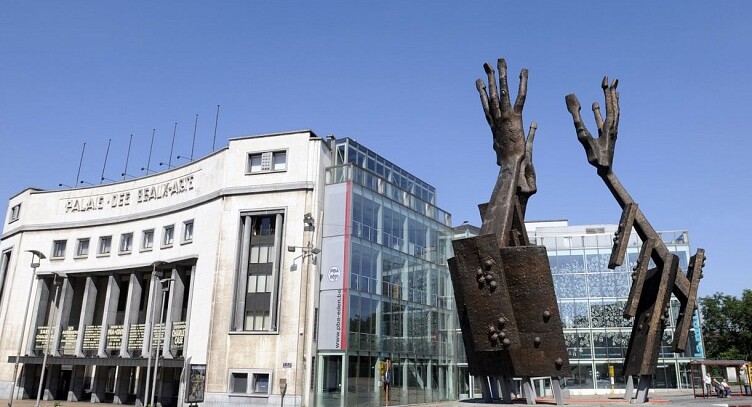

Nestled in the heart of Charleroi, the Fine Arts Museum, known as Le musée des Beaux-Arts, is a treasure trove of artistic heritage and cultural significance. Established in 1884, this museum has evolved over the years, showcasing a diverse array of artworks that span from the 19th to the 20th centuries. It is not only a repository of local talent but also a beacon of renowned artists. The museum houses masterpieces from celebrated names like Eugène Joseph Verboeckhoven, Gustave Courbet, Paul Delvaux, and René Magritte, making it a must-visit for art enthusiasts and culture lovers alike.
The history of Le musée des Beaux-Arts is tied closely to the industrial growth of Charleroi. Founded during a period of cultural awakening in Belgium, the museum was established to foster appreciation for the arts within a rapidly developing urban landscape. The original collection was the result of donations and acquisitions, reflecting the artistic movements of the time. Notable expansions occurred in the 20th century, particularly after World War II, when the museum sought to represent a broader range of artistic styles and regional artists, especially from Wallonia and Brussels.
Architecturally, the museum is a blend of neoclassical and modernist styles, designed to harmonize with its urban surroundings. The elegant façade is marked by large windows that invite natural light, creating a welcoming atmosphere. Visitors will find themselves drawn to the grand entrance hall, adorned with intricate details that echo the richness of the collections housed within. The museum’s layout encourages exploration, with galleries dedicated to various periods and styles, making it easy to navigate through art history.
Among the crown jewels of the museum’s collection is a significant body of work from Rene Magritte, a pivotal figure in the Surrealist movement. His thought-provoking pieces challenge perceptions and draw viewers into a realm where the ordinary transforms into the extraordinary. Additionally, the works of Félix Vallotton and Henry de Groux provide insight into different artistic interpretations, showcasing the diversity of thought and creativity that flourished during their respective eras.
Beyond art, Charleroi boasts a vibrant local culture steeped in tradition. The city is known for its annual festivals, such as the Carnaval de Charleroi, which celebrates the region's rich folklore with colorful parades and lively performances. The Festival International de Danse also attracts visitors, showcasing local and international dance talent, further emphasizing the city’s commitment to the arts.
In terms of gastronomy, Charleroi offers a delightful array of local culinary delights. One cannot visit without trying the boulets à la liégeoise, a hearty dish of meatballs served in a rich sauce, often accompanied by fries. The region is also famous for its artisan chocolate, particularly from local chocolatiers who pride themselves on using traditional methods to create exquisite confections. Pair these treats with a glass of Chimay, a renowned Belgian ale, for an authentic taste of the local culture.
For those looking for lesser-known curiosities, the museum has hidden gems that often go unnoticed. One such detail is the museum's library, which contains rare art books and catalogs that provide insight into the artists and movements represented in the collection. Additionally, the sculpture garden outside is a peaceful retreat, featuring works by local artists, allowing visitors to connect with nature while enjoying art in an outdoor setting.
The best time to visit Le musée des Beaux-Arts is during spring and early autumn when the weather is mild, and the gardens are in full bloom. To make the most of your visit, consider participating in guided tours that delve deeper into the stories behind the artworks. Don’t miss the opportunity to explore temporary exhibitions, which often feature contemporary artists and thematic collections that reflect current artistic dialogues.
In conclusion, Le musée des Beaux-Arts in Charleroi is not just a museum; it is a celebration of art, culture, and community. Its diverse collections, rich history, and the vibrant local culture make it an essential stop for anyone wishing to explore the artistic soul of Belgium. To plan your visit and uncover more personalized experiences, consider using the Secret World app for tailored itinerary suggestions.


