


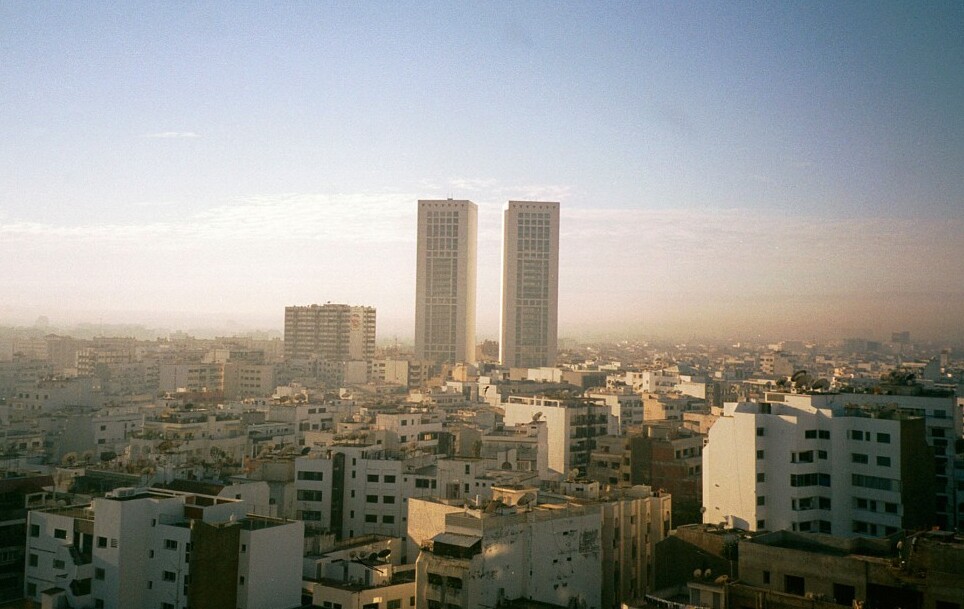
Rising majestically against the skyline of Casablanca, the Casablanca Twin Center stands as a testament to modern architectural ingenuity. Designed by renowned Spanish architects Ricardo Bofill Levi and Elie Mouval, this striking twin-tower complex was completed in 1999 and reaches a height of 115 meters (377 feet). It harmoniously blends offices, a hotel, shopping malls, and a state-of-the-art conference center, embodying the commercial vibrancy that defines Casablanca. As one of the pioneers of contemporary property in the city, it represents a bold step into the future while echoing the rich historical tapestry of the region.
### History and Origins
Casablanca, or Dar al-Bayda as it is known in Arabic, has a storied past that dates back to the 7th century when it was a Berber settlement. Its name is believed to have originated from the whitewashed houses built by Spanish settlers in the 15th century. Over the centuries, it transformed from a modest fishing village into a bustling port city, especially after the French protectorate was established in 1912.
The city grew rapidly during the 20th century, becoming a hub for commerce and trade. The Twin Center, which emerged at the dawn of the 21st century, symbolizes this transformation, representing the aspirations of a modern Morocco. It is strategically located in the Ain Diab district, a vibrant area known for its beaches and nightlife, making it a focal point for both business and leisure.
### Art and Architecture
The Casablanca Twin Center is a masterpiece of postmodern architecture, characterized by its bold geometric shapes and striking facade. The towers are clad in glass and steel, reflecting the dynamic energy of the city. The design integrates elements of Moroccan culture, incorporating traditional motifs while embracing modern aesthetics.
Inside, the complex features an impressive atrium that invites natural light, creating an open and airy atmosphere. Notable artworks adorn the space, including pieces by local artists that reflect the rich cultural heritage of Casablanca. This blend of art and architecture not only enhances the visual appeal of the Twin Center but also fosters a sense of community and cultural pride.
### Local Culture and Traditions
Casablanca is a melting pot of cultures, where Arab, Berber, and European influences converge. The city hosts numerous festivals throughout the year, with one of the most notable being the Casablanca Festival, which celebrates music, art, and theater. This event attracts artists from around the world, showcasing the city's commitment to the arts.
Local customs, such as the tradition of mint tea drinking, play a significant role in social interactions. Visitors can often witness the warm hospitality of the Moroccan people, who take pride in sharing their culture with others. The Twin Center serves as a hub for such cultural exchanges, hosting events that promote local traditions and art.
### Gastronomy
No visit to Casablanca would be complete without indulging in its diverse gastronomy. The city is famous for its tagines, a slow-cooked stew named after the clay pot it's cooked in, often featuring lamb, chicken, or seafood, combined with a medley of spices and vegetables. Couscous, another staple, is traditionally served on Fridays, reflecting the local custom of gathering for family meals.
Street food is also a highlight, with vendors offering delicious snacks such as briouates (savory pastries) and harira (a hearty soup). To wash it all down, try a glass of sweet mint tea, a symbol of Moroccan hospitality. The Twin Center houses several international restaurants that provide a culinary experience blending local flavors with global cuisine.
### Lesser-Known Curiosities
While many tourists flock to the well-known attractions, the Casablanca Twin Center harbors unique stories and hidden details. For instance, the complex was one of the first in Morocco to incorporate sustainable design elements, including energy-efficient systems. Additionally, the panoramic view from the upper floors offers a stunning perspective of Casablanca, revealing the intricate layout of its streets and the sprawling coastline.
Another intriguing aspect is the Twin Center’s role as a social hub, where many locals gather for events or simply to enjoy the view from the cafes that line the ground floors. This interaction often goes unnoticed by tourists, who may miss the vibrant community life thriving around the complex.
### Practical Visitor Information
The best time to visit Casablanca is during the spring (March to May) and fall (September to November), when the weather is pleasantly mild. The Twin Center is easily accessible via public transport, and visitors can explore the nearby Ain Diab beach or the Corniche, a popular promenade lined with cafes and shops.
When visiting, be sure to take the elevator to the observation deck for breathtaking views of the city and the Atlantic Ocean. Dress modestly, respecting local customs, and engage with the friendly locals to enrich your experience.
For a personalized itinerary that showcases the best of Casablanca, consider using the Secret World app to plan your adventure.
