



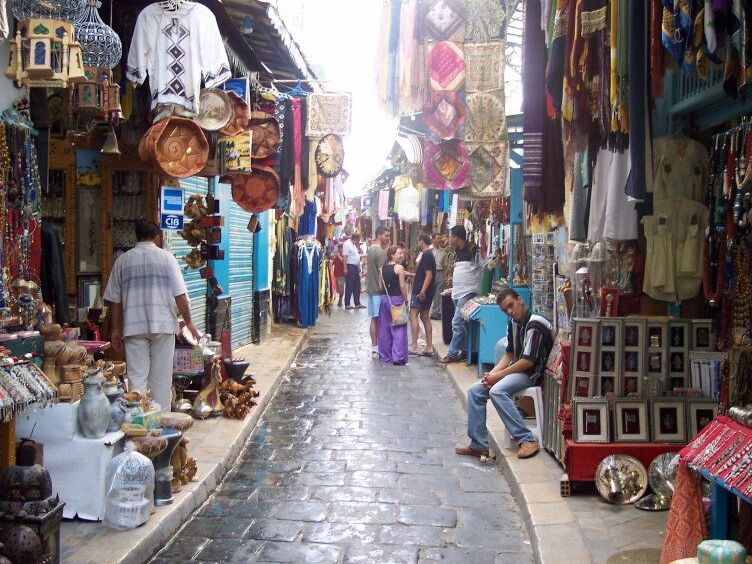
{ "title": "Exploring the Medina of Casablanca: A Glimpse into History", "description": "The medina of Casablanca is a vibrant tapestry woven from centuries of history, art, and culture. As the oldest part of the city, it tells stories that predate the French protectorate and reflect the evolution of Moroccan identity through time.\n\nHistory and Origins \nEstablished as a prominent trading port in the 7th century, the medina has roots that stretch back to ancient times. Originally known as Anfa, it thrived as a center for commerce and cultural exchange. After being destroyed by the Portuguese in the 16th century, it was rebuilt, becoming a crucial hub once again. The French protectorate that began in 1912 brought significant changes, but the heart of the medina retained its historical essence. Today, remnants of its storied past, such as the Bab Marrakech and Bab el-Oud, two of the original gates from the old city walls, stand as testaments to its rich history.\n\nArt and Architecture \nWandering through the narrow, winding lanes of the medina, visitors are treated to a feast for the senses. The architectural style here is a captivating blend of Moorish and Portuguese influences, with intricate tile work and arched doorways adorning many buildings. The 18th-century fortress, known as Dar el-Makhzen, showcases the strength of its defensive architecture while housing beautiful gardens. Artisans still practice their crafts within its walls, ensuring that the spirit of traditional Moroccan artistry endures. Look closely, and you might discover stunning mosaics and woodwork that reflect the vibrant cultural tapestry of Casablanca.\n\nLocal Culture and Traditions \nThe medina is alive with local customs that offer a glimpse into the daily lives of Casablanca’s residents. Markets, known as souks, buzz with vendors selling everything from spices to textiles, embodying the essence of Moroccan life. Festivals, such as the Mawazine Music Festival, bring the community together, showcasing local and international artists in celebration of cultural expression. The weekly Jemaa el-Fnaa at the heart of the medina transforms into a lively hub of performances, food stalls, and traditional storytelling, reminding visitors of the area’s cultural significance.\n\nGastronomy \nNo visit to the medina is complete without indulging in its gastronomic delights. Traditional dishes like tagine—a slow-cooked stew of meat and vegetables—are ubiquitous, served steaming in earthenware pots. The medina is also famous for its pastilla, a savory-sweet pie layered with pigeon meat and almonds, wrapped in delicate pastry. Don’t miss sipping on mint tea, often referred to as "
, "the Moroccan whiskey." : -1, " , " : -1, " : -1, : -1, : -1, : -1, : -1, " : -1, " : -1, " : -1, " : -1, " : -1, " : -1, " : -1, " : -1, " : -1, " : -1, " : -1, " : -1, " : -1, " : -1, " : -1, " : -1, " : -1, " : -1, " : -1, " : -1, " : -1, " : -1, " : -1, " : -1, " : -1, " : -1, " : -1, " : -1, " : -1, " : -1, " : -1, " : -1, " : -1, " : -1, " : -1, " : -1, " : -1, " : -1, " : -1, " : -1, " : -1, " : -1, " : -1, " : -1, " : -1, " : -1, " : -1, " : -1, " : -1, " : -1, " : -1, " : -1, " : -1, " : -1, " : -1, " : -1, " : -1, " : -1, " : -1, " : -1, " : -1, " : -1, " : -1, " : -1, " : -1, " : -1, " : -1, " : -1, " : -1, " : -1, " : -1, " : -1, " : -1, " : -1, " : -1, " : -1, " : -1, " : -1, " : -1, " : -1, " : -1, " : -1, " : -1, " : -1, " : -1, " : -1, " : -1, " : -1, " : -1, " : -1, " :
