


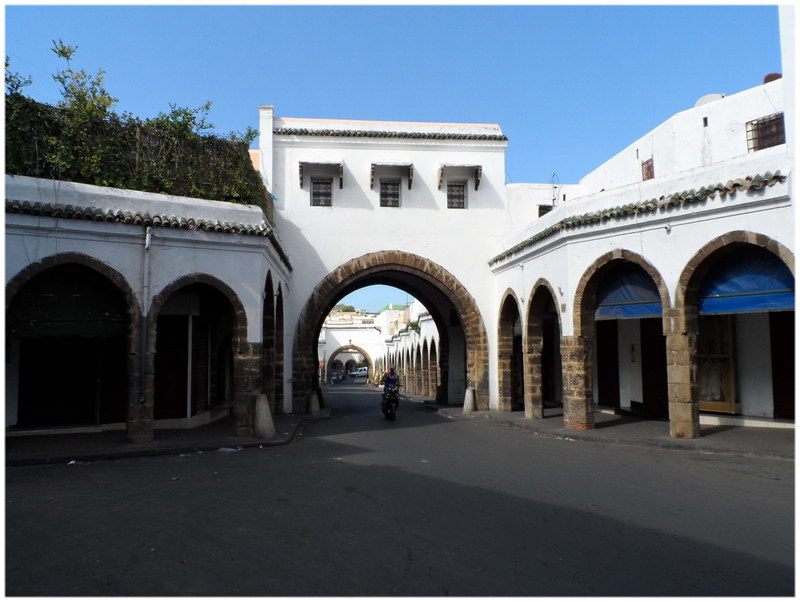
Nestled in the vibrant heart of Casablanca, the Quartier Habous, often referred to as the new medina, offers a fascinating glimpse into Morocco's rich history and culture. Constructed in the 1930s during the French protectorate, this district was designed to blend French order with Moroccan style. The vision was to create a harmonious space that reflected both the local culture and colonial aspirations, ultimately serving as a symbol of the complex interplay between tradition and modernity that defines Casablanca today.
### History and Origins The Quartier Habous emerged from a need to accommodate the growing population of Casablanca while maintaining the essence of Moroccan architecture. Its founding was part of a broader initiative by the French to create urban spaces that adhered to their own ideals of order and aesthetics. Key historical events during the 20th century, including Morocco's fight for independence, led to significant changes in the city. The district was completed in the late 1930s, showcasing a blend of Moorish and Spanish architectural styles that echoed the historical medina.
Although it was constructed under colonial rule, the Quartier Habous has become a vital part of Casablanca's identity. Its narrow, winding streets and picturesque squares are reminiscent of the ancient medina, allowing visitors to experience the charm of Moroccan life amidst modernity.
### Art and Architecture The architectural style of the Quartier Habous is a striking fusion of Moorish elements, such as horseshoe arches, intricate tile work, and ornate wooden doors. As you stroll through its narrow lanes, you will encounter beautifully crafted buildings that display traditional craftsmanship, with zellige tile mosaics and plasterwork that speak to Morocco's artistic heritage.
Notable structures within the neighborhood include the Royal Palace of Casablanca, though not open to the public, its grand exterior can be admired from the outside. The Habous Mosque stands as a testament to the area's spiritual heritage and architectural significance. The district is also home to a number of artisan workshops, where you can witness the creation of traditional crafts, such as leather goods and pottery, showcasing the artistic spirit of the local craftsmen.
### Local Culture and Traditions In the Quartier Habous, local customs and traditions thrive, offering visitors a unique cultural experience. The area is known for its vibrant markets, or souks, where artisans sell their handmade goods, providing a glimpse into the daily lives of the residents. Festivals celebrating Moroccan culture, such as Eid al-Fitr and Moussem, are observed with fervor, inviting visitors to partake in the communal spirit.
The cultural importance of the district lies not only in its architecture but also in the lifestyle it promotes. The labyrinthine streets encourage exploration, with each corner revealing a new story or tradition. Local cafes often host live music, where the sounds of oud and gnawa music fill the air, creating a lively atmosphere that draws both locals and tourists alike.
### Gastronomy A visit to the Quartier Habous would be incomplete without indulging in its culinary delights. Traditional Moroccan cuisine is celebrated here, with dishes such as tagine, couscous, and pastilla available at local eateries. The district is particularly famous for its patisseries, where you can savor sweet treats like makroud (semolina pastries filled with nuts) and gazelle horns (almond-filled pastries shaped like crescents).
For a truly authentic experience, try sipping on mint tea, an integral part of Moroccan hospitality, often served in ornate glasses. The local cafes provide an excellent setting to enjoy this refreshing beverage while observing the vibrant life of the neighborhood.
### Lesser-Known Curiosities While many visitors flock to the more famous sites in Casablanca, the Quartier Habous holds some hidden gems that often go unnoticed. For instance, the Souk of the Habous is not just a marketplace but a haven for traditional Moroccan arts, where you can find unique pieces like handwoven rugs and intricate jewelry.
Another curiosity lies in the Habbous neighborhood's historical significance as a center for Islamic education. The Medersa located here once served as a pivotal institution for scholars, reflecting the area’s deep-rooted religious and educational heritage. Many tourists miss out on understanding the profound impact this has on the local culture.
### Practical Visitor Information The best time to visit the Quartier Habous is during the spring (March to May) or fall (September to November), when the weather is mild and conducive to wandering. Dress modestly to respect local customs, and don’t hesitate to engage with shopkeepers and artisans—you’ll find that many are eager to share the stories behind their crafts.
When exploring, take your time to absorb the sights and sounds, and keep an eye out for the many hidden courtyards that can be found off the main paths. These secluded spots often reveal beautiful fountains and lush gardens, perfect for a moment of tranquility amidst the bustling environment.
As you plan your visit, consider using the Secret World app to craft a personalized itinerary that includes all the best spots in Casablanca.
