
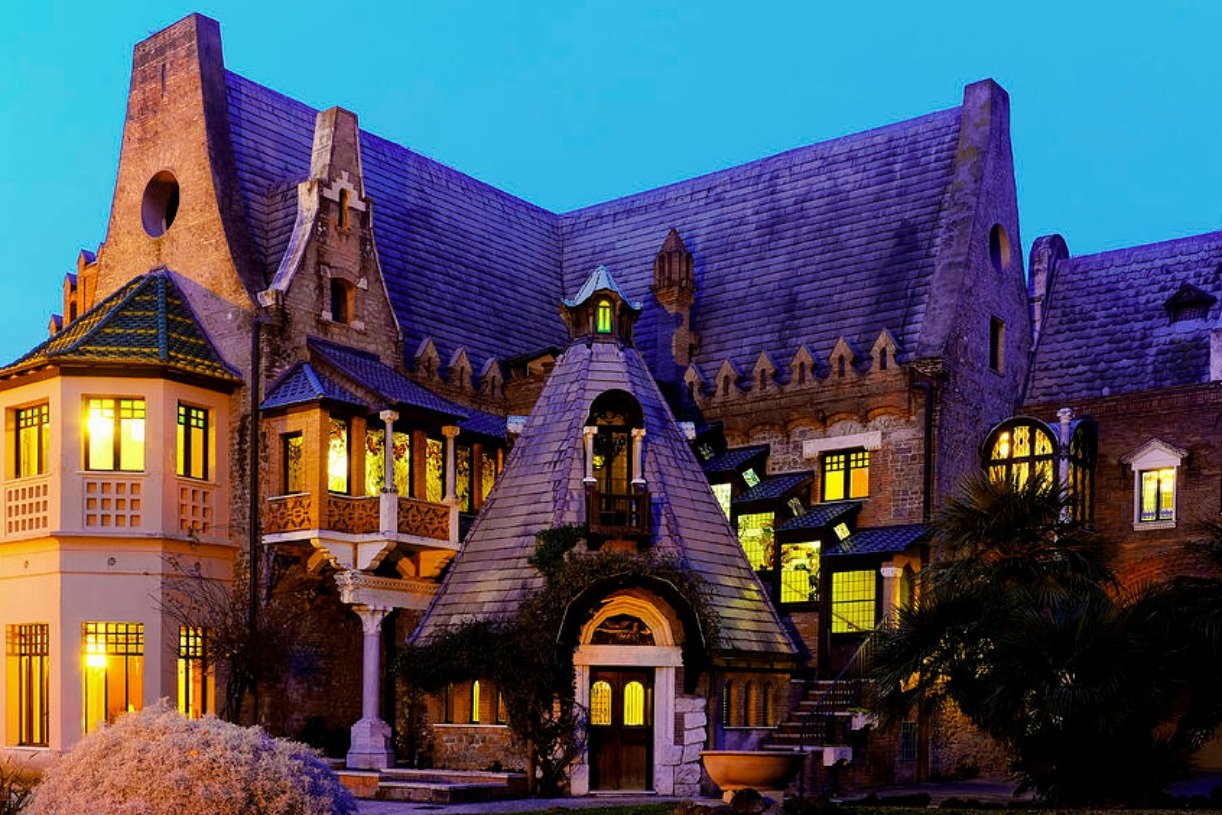

Nestled within the verdant grounds of the Villa Torlonia, the Casina delle Civette, or Swiss Hut, is a hidden gem in Rome that tells a story of whimsy and artistic experimentation. This enchanting building, with its fantastical forms and intricate details, invites visitors to step back into a world where nature and creativity intertwine.
The origins of the Casina delle Civette date back to the 19th century, when it was commissioned by Prince Giovanni Torlonia Jr., a member of the influential Torlonia family. Constructed between 1840 and 1845, the building was originally designed as a simple hunting lodge. However, under the prince's vision, it transformed into a dreamlike retreat, completed in the early 20th century. The prince’s passion for the arts led to modifications that embraced various styles, culminating in the eclectic architecture we see today. By 1938, the prince’s residence in the hut had concluded, marking a shift in its purpose, as it eventually became open to the public.
The architecture of the Casina delle Civette is a captivating fusion of Art Nouveau and Neo-Gothic styles, characterized by its ornate facades and whimsical features. The building is perhaps best known for its two striking stained glass windows depicting owls, crafted by the artist Duilio Cambellotti. These windows are not merely decorative; they embody the spirit of the hut, symbolizing wisdom and mystery. Inside, the walls are adorned with intricate mosaics, decorative ceramics, and other artistic elements that reflect the prince's eclectic tastes and deep appreciation for craftsmanship.
As visitors wander through the Casina, they are enveloped in a world of color and form. The interior spaces are a testament to the artistic significance of the period, showcasing how architecture can harmonize with nature. The use of natural motifs, from floral patterns to animal imagery, creates a seamless interaction between the building and its lush surroundings, reinforcing a connection to the natural world that resonates throughout the villa.
Local culture in this part of Rome is deeply intertwined with the heritage of the Torlonia family and the artistic movements that flourished during their reign. The Villa Torlonia itself is a cultural hub, hosting various events, exhibitions, and performances that celebrate both contemporary and traditional Italian art. While the Casina is not the center of grand festivals, it contributes to the rich tapestry of local traditions by serving as a backdrop for artistic expression and community gatherings.
Gastronomically, the area surrounding the Casina delle Civette is a treasure trove of Roman cuisine. Visitors can indulge in local specialties such as cacio e pepe, a simple yet delicious pasta dish made with Pecorino Romano cheese and black pepper. Nearby, you can find quaint trattorias serving supplì, fried rice balls filled with ragu, and carciofi alla giudia, crispy fried artichokes that are a hallmark of Roman Jewish cuisine. Pair these delights with a glass of Frascati, a crisp white wine from the nearby hills, for an authentic taste of the region.
Among the lesser-known curiosities of the Casina delle Civette is the story behind its unique name. While it translates to "House of Owls," the choice of this avian symbol is more than aesthetic. Owls are often associated with the night and wisdom in various cultures, and their presence in the stained glass windows reflects the prince’s affinity for the mysterious and magical. Additionally, the hut is often overlooked by tourists who flock to more famous sites in Rome, making it a peaceful retreat for those looking to escape the city's bustling crowds.
For those eager to explore this captivating locale, the best time to visit is during the spring or early autumn when the gardens are in full bloom. Early mornings or late afternoons provide a tranquil atmosphere, ideal for leisurely strolls. When visiting, be sure to take a moment to appreciate the intricate details of the architecture, from the whimsical gargoyles to the delicate ironwork on the windows.
To enhance your experience, consider joining a guided tour that delves into the rich history and artistry of the Casina delle Civette. This will provide deeper insights into the significance of the artworks and architectural choices that define this unique building.
As you plan your trip to the enchanting Casina delle Civette, consider using the Secret World app to create a personalized itinerary that captures the essence of Roma.


