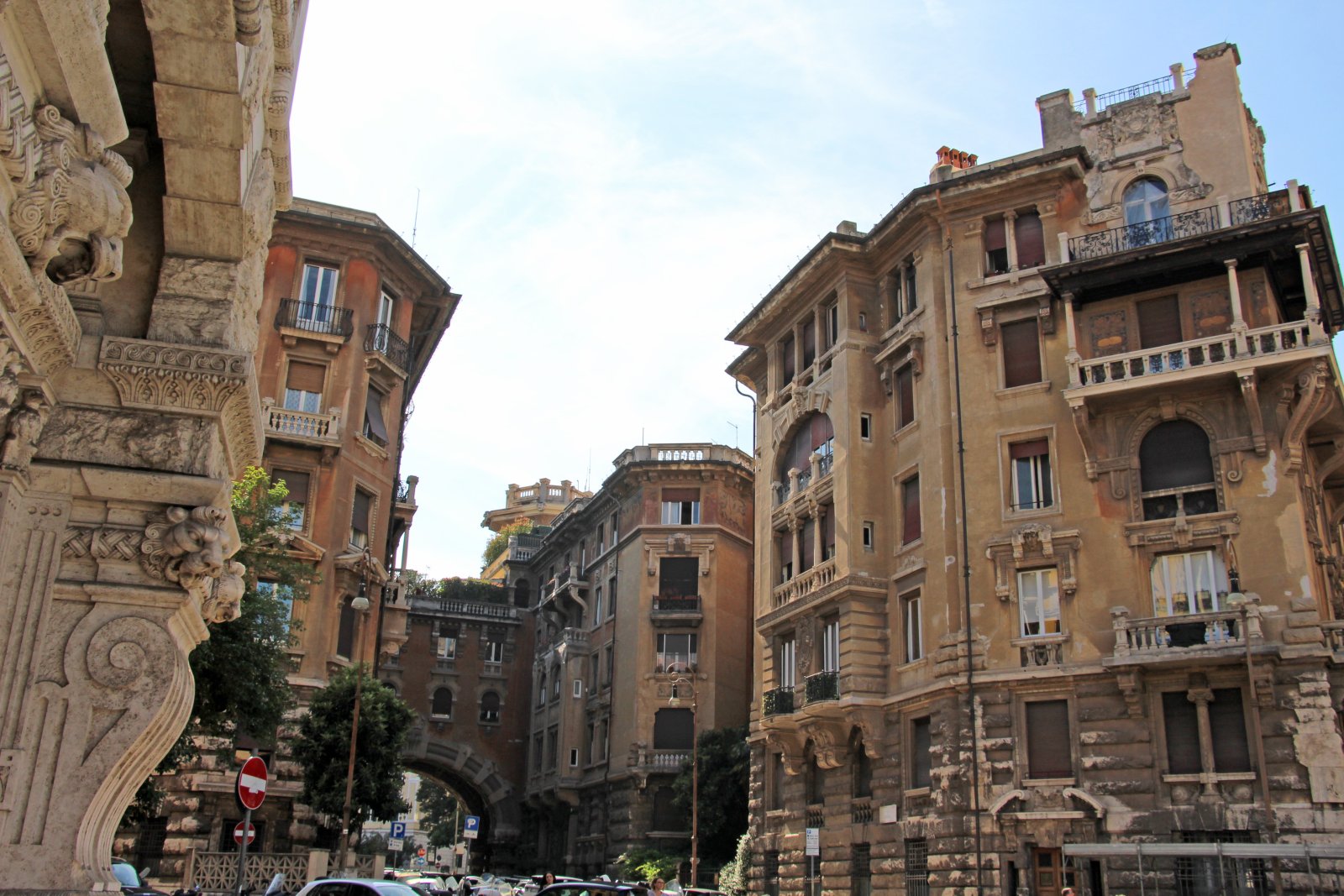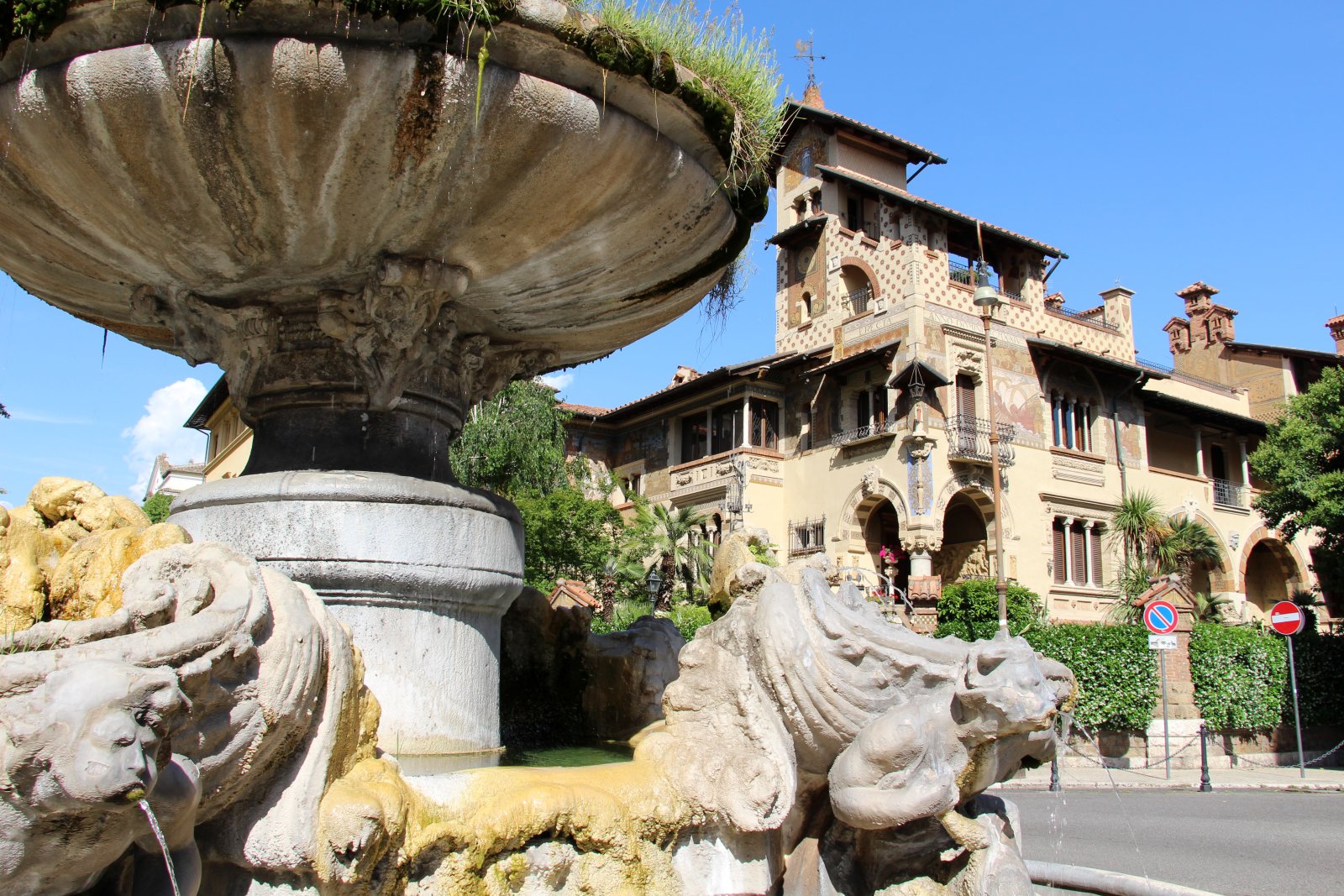
Nestled in the heart of Rome, Quartiere Coppedè is an architectural wonder that invites curious souls to explore its enchanting streets. This peculiar neighborhood, located in the Trieste district, is a testament to the visionary work of architect Gino Coppedè, who designed this fantastical enclave between 1919 and 1927. With a unique blend of Art Nouveau, Baroque, and Medieval styles, the quarter is a living canvas that reflects the eclectic spirit of early 20th-century Italy.
### History and Origins Quartiere Coppedè emerged in the aftermath of World War I, during a time when Rome was transforming into a modern metropolis. Gino Coppedè, born in 1866, was an architect who sought to break free from the rigid classical styles dominating the city. His vision culminated in the creation of this neighborhood, which officially opened to the public in 1927, just a few months before his death. Though initially met with mixed reviews, the quarter has since become a beloved hidden gem of the city, attracting visitors with its whimsical charm.
The area’s name, Coppedè, pays homage to its creator, but it also signifies a departure from traditional Roman architecture. The quarter was designed as a self-contained community, showcasing not only residential buildings but also shops and public spaces that fostered a sense of belonging.
### Art and Architecture At the heart of Quartiere Coppedè lies a bizarre architectural style that defies easy classification. Visitors are greeted by buildings adorned with intricate mosaics, flamboyant sculptures, and vibrant frescoes that echo influences from Ancient Greece to Roman Baroque. The most notable structure is the Palazzo delle Esposizioni, characterized by its grand façade and elaborate details, including whimsical figures and mythical creatures that seem to leap off the walls.
Another standout is the Villino delle Fate (House of the Fairies), with its enchanting fairy-tale-like features, including curved lines and delicate ornamentation. The playful use of materials, including colorful tiles and wrought iron, sets a dreamlike atmosphere that captivates the imagination. Each building tells a story, reflecting Coppedè’s desire to create a narrative through architecture.
### Local Culture and Traditions While Quartiere Coppedè is not a hub for traditional Roman festivals, its cultural significance lies in its artistic legacy. The neighborhood serves as a backdrop for various local events, including art shows and pop-up markets that celebrate the neighborhood’s eclectic spirit. Many residents are artists, musicians, and creatives who contribute to a vibrant cultural scene, often hosting exhibitions and performances that engage the community.
The area’s charm also lies in its quaint cafés and artisan shops, where local customs thrive. Strolling through the picturesque streets, one can encounter Roman traditions interwoven with modern artistic expressions, creating a unique cultural tapestry.
### Gastronomy Gastronomy in Quartiere Coppedè is as eclectic as its architecture. Local eateries serve traditional Roman dishes with a twist, reflecting the neighborhood’s creative spirit. Cacio e Pepe, a classic Roman pasta dish, is often prepared with a modern flair, showcasing the culinary prowess of nearby chefs.
For those with a sweet tooth, the charming pastry shops offer Maritozzi, sweet buns filled with whipped cream, perfect for an afternoon treat. Pair your culinary explorations with a glass of Frascati, a local white wine renowned for its crisp, refreshing taste, or try a classic Spritz as you unwind in one of the area’s outdoor cafés.
### Lesser-Known Curiosities Quartiere Coppedè is rich with surprises waiting to be uncovered. One lesser-known fact is the existence of a hidden garden at the end of Via Coppedè, which features a charming fountain surrounded by lush greenery—a tranquil escape from the bustling city.
Another curious detail is the Mosaic of the Twelve Signs, an intricate work embedded in the pavement that many tourists overlook. This hidden gem is a lovely nod to astrology, inviting passersby to pause and reflect on the ancient beliefs that once guided Romans.
### Practical Visitor Information The best time to visit Quartiere Coppedè is during the spring and early autumn when the weather is mild, and the flowers are in bloom. Early mornings or late afternoons provide the perfect light for photography, allowing visitors to capture the neighborhood’s enchanting details.
When exploring, take your time wandering through the winding streets and don’t hesitate to engage with locals who can share stories about the area’s history. Remember to look up; the intricate details on the buildings are often best appreciated from above.
### Conclusion In a city defined by its ancient history and classical beauty, Quartiere Coppedè stands out as a whimsical testament to creativity and imagination. This enchanting neighborhood invites you to step into a world where the past and present collide in a delightful dance of architecture and art. For a personalized itinerary to uncover the secrets of Roma, consider using the Secret World app before your visit.