
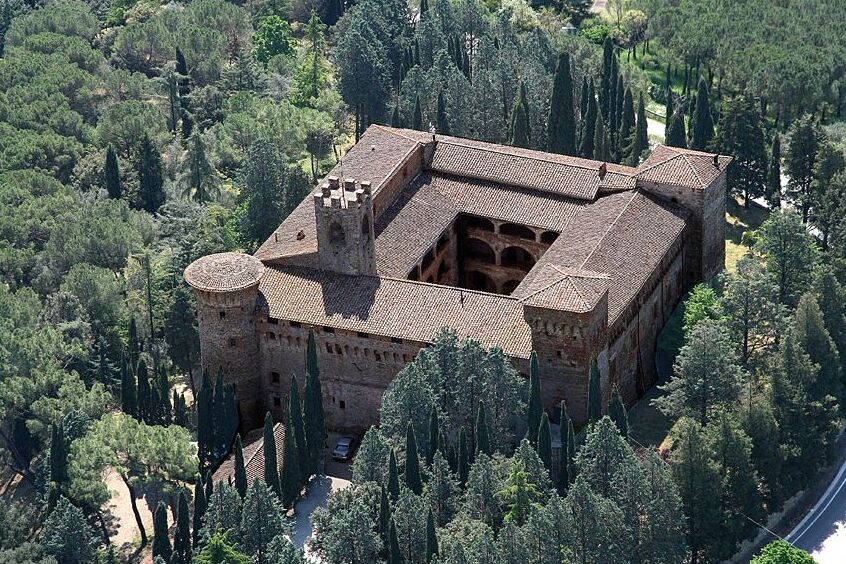

Nestled in the verdant hills of Umbria, the Castle of the Knights of Malta in Magione stands as a remarkable testament to the region's rich history and cultural heritage. This architectural gem, founded in the 12th century, serves as a portal to the past, revealing the layered complexities of medieval life, faith, and artistry.
The Sovereign Military Order of Malta, which owns the castle, was established around 1099 in Jerusalem. Originally known as the Order of St. John of Jerusalem, its mission was to provide care for sick and injured pilgrims traveling to the Holy Land. This noble foundation, one of the oldest institutions in Western civilization, evolved over the centuries—its headquarters now located in Rome, overseeing humanitarian efforts in over 110 countries.
Constructed between 1150 and 1170, the castle was initially designed as a sanctuary for travelers en route to Rome and Jerusalem. Strategically positioned near the Via Francigena, a pivotal pilgrimage route leading to Santiago de Compostela, the castle became a refuge for countless pilgrims. Throughout its history, the castle has witnessed significant events, including the infamous “dieta alla Magione nel Perugino” in 1502, a conspiracy led by Italian noblemen against Cesare Borgia, which was later referenced by Machiavelli in *The Prince*.
Architecturally, the castle reflects a blend of styles accumulated over centuries. The Romanesque church within its oldest section is particularly noteworthy. Its rounded vault, dedicated to St. John the Baptist, houses exquisite frescoes attributed to the school of Pinturicchio, dating back to the early 16th century. These frescoes showcase intricate religious narratives and highlight the artistic significance of the castle as a site of spiritual and cultural convergence.
Aside from its architectural splendor, Magione is steeped in local culture and tradition. The town celebrates various festivals throughout the year, with the Festa della Madonna della Carraia being particularly prominent. Held in September, this event features a vibrant procession, traditional music, and local delicacies, bringing together the community in a joyous celebration of faith and heritage. Such events not only honor local customs but also invite visitors to immerse themselves in the rich tapestry of Umbrian life.
When it comes to gastronomy, Magione offers a delightful array of local flavors. The region is known for its hearty dishes that reflect the agricultural bounty of Umbria. Traditional Umbrian cuisine includes strangozzi, a handmade pasta typically served with a rich mushroom sauce, and torta al testo, a type of flatbread filled with various local ingredients. Pair these dishes with a glass of Sagrantino di Montefalco, a robust red wine unique to the region, for a truly authentic experience.
For those wandering beyond the well-trodden paths, the castle harbors lesser-known curiosities. One intriguing fact is that the courtyard, now a venue for concerts and cultural events, dates back to 1471. This space, once a haven for pilgrims, has transformed into a vibrant hub of artistic expression, bridging the gap between past and present. Moreover, the castle's architectural elements, such as its imposing towers and fortified walls, are a reminder of the military prowess once held by the Knights of Malta.
For visitors planning a trip to the Castle of the Knights of Malta, the best time to explore is during the spring and early autumn months. The weather is mild, and the surrounding landscapes are in full bloom, providing a picturesque backdrop for exploration. When visiting, be sure to take a guided tour to fully appreciate the castle's history and artistic treasures. Look out for details such as the intricate carvings on the church's facade, which speak volumes about the craftsmanship of the era.
As you wander through the castle grounds, allow yourself to be transported back in time, envisioning the pilgrims who once sought refuge here. The Castle of the Knights of Malta in Magione is not just a relic of the past; it is a living monument that continues to inspire and engage all who visit.
To make the most of your journey to Magione, consider using the Secret World app to craft a personalized itinerary that highlights the area's hidden gems.


