
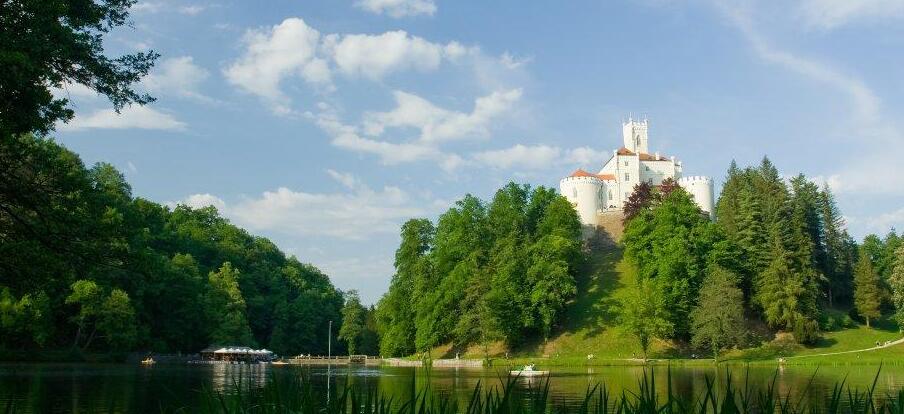

Perched gracefully on a hilltop in northern Croatia, Castle Trakošćan is a mesmerizing blend of history, art, and nature, compelling visitors to step back in time and explore its storied past. This captivating fortress, nestled in the lush landscapes of the Hrvatsko Zagorje region, offers a unique glimpse into Croatia's rich cultural tapestry.

The origins of Castle Trakošćan trace back to the 13th century, when it was constructed as part of the country's defensive fortifications against invading forces. Its name is thought to derive from the Thracian fortifications that predated the castle, although the exact history remains somewhat veiled in mystery. For centuries, it served as a noble residence, most notably for the Drašković family, who were granted ownership in the 16th century. Under their stewardship, the castle underwent significant transformations, reflecting the evolving architectural tastes over the ages. The Drašković family played a pivotal role in the region's history, and their influence can be felt throughout the castle's many rooms and halls.
The architectural style of Castle Trakošćan is a testament to its long-standing history. Originally a Gothic fortress, it was renovated in the 19th century to reflect the Romantic style, which was fashionable in Europe at the time. This transformation included the addition of picturesque towers, elegant terraces, and ornate interiors, giving the castle the fairy-tale appearance it boasts today. Inside, visitors can admire a remarkable collection of period furniture and artworks, including portraits and landscapes that offer a visual narrative of the castle's history. Particularly noteworthy is the Knight’s Hall, housing an impressive array of medieval weaponry and armor, evoking the castle’s martial past.

Beyond its storied walls, Castle Trakošćan is embraced by a sprawling park and forest, a design conceived in the English landscape style. The tranquil lake that mirrors the castle's structure is an integral part of this romantic setting. The grounds are meticulously maintained, providing a serene escape that invites leisurely strolls and reflection.
Local traditions and culture deeply enrich the experience of visiting Trakošćan. The castle and its surroundings are integral to the region's identity, often serving as a backdrop for cultural events and festivals. One such event is the annual Trakošćan Summer Festival, which celebrates the area's music and art, bringing the castle to life with performances and exhibitions that highlight Croatian cultural heritage.
No visit to the region would be complete without indulging in its gastronomic offerings. The local cuisine is a flavorful tapestry of influences, characterized by hearty, rustic dishes. Visitors can savor traditional Croatian specialties such as štrukli, a delightful pastry filled with cheese, or purica s mlincima, a dish of roasted turkey with flatbread. The nearby vineyards produce excellent wines, particularly the white varieties, which are renowned for their crisp, refreshing qualities.
For those seeking lesser-known curiosities, Castle Trakošćan holds many secrets. One intriguing aspect is the legend of the White Lady, a ghostly apparition said to haunt the castle, adding an air of mystery and intrigue. Additionally, the intricate woodwork and detailed frescoes found in some rooms reflect the meticulous craftsmanship of artisans from bygone eras, often overlooked by casual observers.
To make the most of a visit to Castle Trakošćan, timing is crucial. The castle is open year-round, but the best times to visit are during the spring and autumn months, when the surrounding landscape bursts with vibrant colors. Weekdays are ideal for avoiding crowds, allowing for a more intimate exploration. Visitors should wear comfortable shoes to fully enjoy the extensive grounds, and it's worth setting aside ample time to explore both the interior exhibitions and the serene outdoors.
Castle Trakošćan is more than just a historical monument; it's a living tapestry of Croatian heritage, where the echoes of the past resonate through its corridors and gardens. Whether you're drawn by its architectural grandeur, its rich history, or the natural beauty that surrounds it, a visit promises a uniquely enriching experience.


