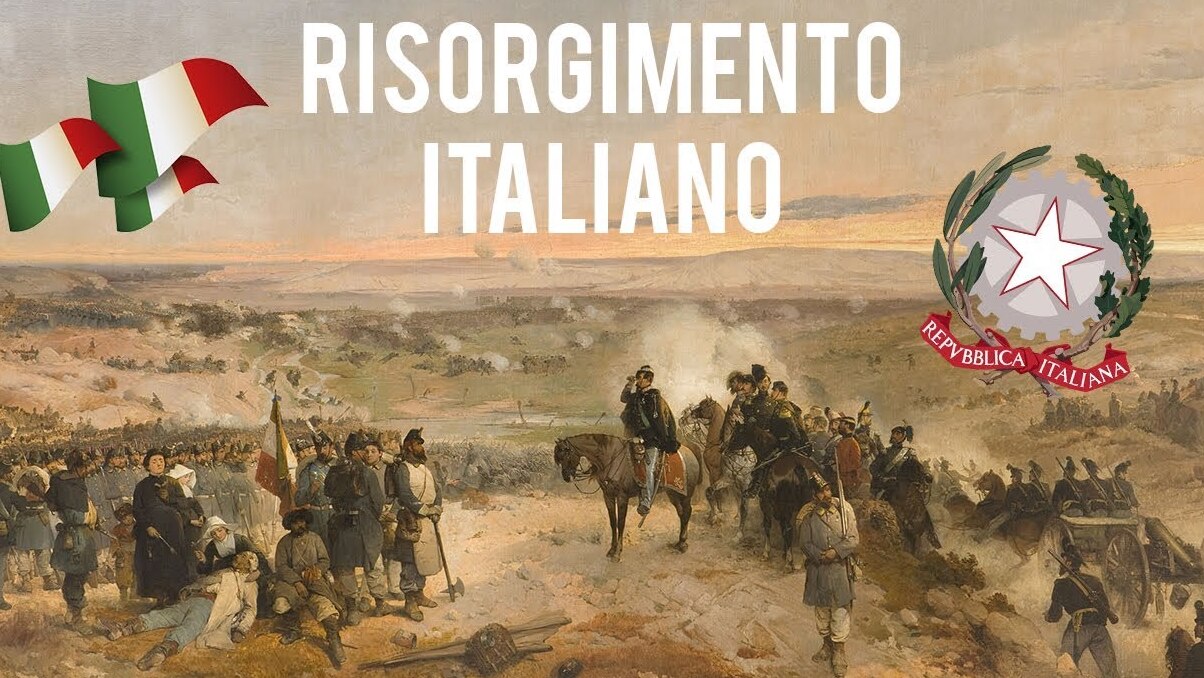

Nestled in the heart of Catanzaro, the Museum of the Risorgimento offers a profound glimpse into Italy's tumultuous path to unification, showcasing an impressive collection of artifacts that span pivotal moments in the nation’s history. Situated within the historic Barracks Florestano Pepe, this museum serves as a testament to the struggles and triumphs of the Italian people during the Risorgimento, a period marked by political upheaval and cultural awakening in the 19th century.
### History and Origins The roots of the Museum of the Risorgimento are intertwined with Italy’s complex history. The Risorgimento movement, which peaked in the 1860s, aimed to unify the fragmented states of Italy. The museum's foundation reflects the importance of Catanzaro as a strategic location during this era. Here, visitors can explore artifacts from the Wars of Africa and Spain, which played critical roles in shaping Italian national identity.
Among the significant historical figures represented is Vito, the Bourbon General and governor of Calabria. In a chilling footnote to history, he oversaw the execution of Joachim Murat in 1815 in nearby Pizzo Calabro. This event, and others like it, are documented through an extensive array of photographs, uniforms, and weapons that narrate the stories of those who fought for Italy’s unification.
### Art and Architecture The Barracks Florestano Pepe itself is an architectural gem. Built in the late 19th century, its military origins contribute to the museum's atmosphere, with stark lines and robust stonework reflecting the era's utilitarian design. Inside, the layout is meticulously organized, guiding visitors through a chronological journey that paints a vivid picture of Italy's evolving identity.
Notable artworks include portraits of key revolutionary figures, alongside military uniforms that allow a deeper understanding of the styling and symbolism of the period. The juxtaposition of weaponry and personal letters creates an emotional connection, inviting visitors to contemplate the sacrifices made during this transformative time.
### Local Culture and Traditions Catanzaro is rich in local customs and traditions that stem from its historical significance. The annual Festival of Saint Vitaliano, celebrated every June, showcases the vibrant local culture through parades, traditional music, and culinary delights. During this festival, the community comes alive, exemplifying the shared heritage that binds the people of Calabria.
Moreover, the city's historical architecture and museums serve as gathering points for cultural events, including art exhibitions and public lectures that celebrate Calabrian history and identity. Such events foster a sense of community and pride among residents, while also attracting visitors eager to immerse themselves in local traditions.
### Gastronomy Calabrian cuisine is a feast for the senses, deeply rooted in the region’s agricultural heritage. Catanzaro is known for its ’nduja, a spicy, spreadable salami that embodies the bold flavors of the area. Visitors should also indulge in pasta alla Norma, a delicious dish featuring eggplant, tomatoes, and ricotta, showcasing the region's fresh produce.
Accompanying these dishes is Cirò wine, produced from grapes grown in the surrounding hills. The wine’s rich flavor profile complements the local fare, making it a staple at gatherings and festivals alike. Dining in Catanzaro offers a chance to experience the warmth of Calabrian hospitality, where traditional meals are often prepared with love and shared among family and friends.
### Lesser-known Curiosities One lesser-known fact about the Museum of the Risorgimento is the collection of personal memorabilia from soldiers who fought in the Risorgimento. These items, often overlooked, include letters home and small tokens of remembrance that provide a humanizing glimpse into the lives of those who lived through this turbulent time.
Additionally, nearby, you can find the Catanzaro Lido, a beautiful beach area that contrasts sharply with the museum’s historical focus. This juxtaposition highlights the duality of Calabria: a region steeped in history yet alive with modern vibrancy.
### Practical Visitor Information The best time to visit the Museum of the Risorgimento is during the spring and early fall when Catanzaro enjoys mild weather and fewer crowds. Visitors should allocate at least a couple of hours to fully appreciate the exhibits and allow time for reflection.
When planning your visit, be sure to check the museum’s schedule for special events or temporary exhibitions that may enhance your experience. A walk through the surrounding streets can also reveal charming cafes and shops where you can sample local treats and purchase unique souvenirs.
For those looking to explore the rich tapestry of Catanzaro, consider using the Secret World app to create a personalized itinerary that fits your interests.
In the heart of Catanzaro, history breathes through every artifact, inviting you to discover Italy's passionate journey towards unity.
