
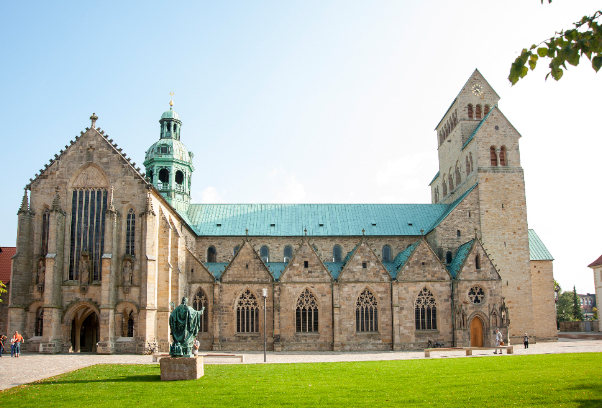

In the heart of Lower Saxony, the Cathedral of the Assumption of Mary in Hildesheim stands as a testament to the enduring legacy of medieval craftsmanship and spiritual devotion. With its origins tracing back to the early 9th century, this UNESCO World Heritage site, recognized in 1985 alongside the nearby St. Michael's Church, offers a captivating glimpse into the past that continues to resonate with visitors today.
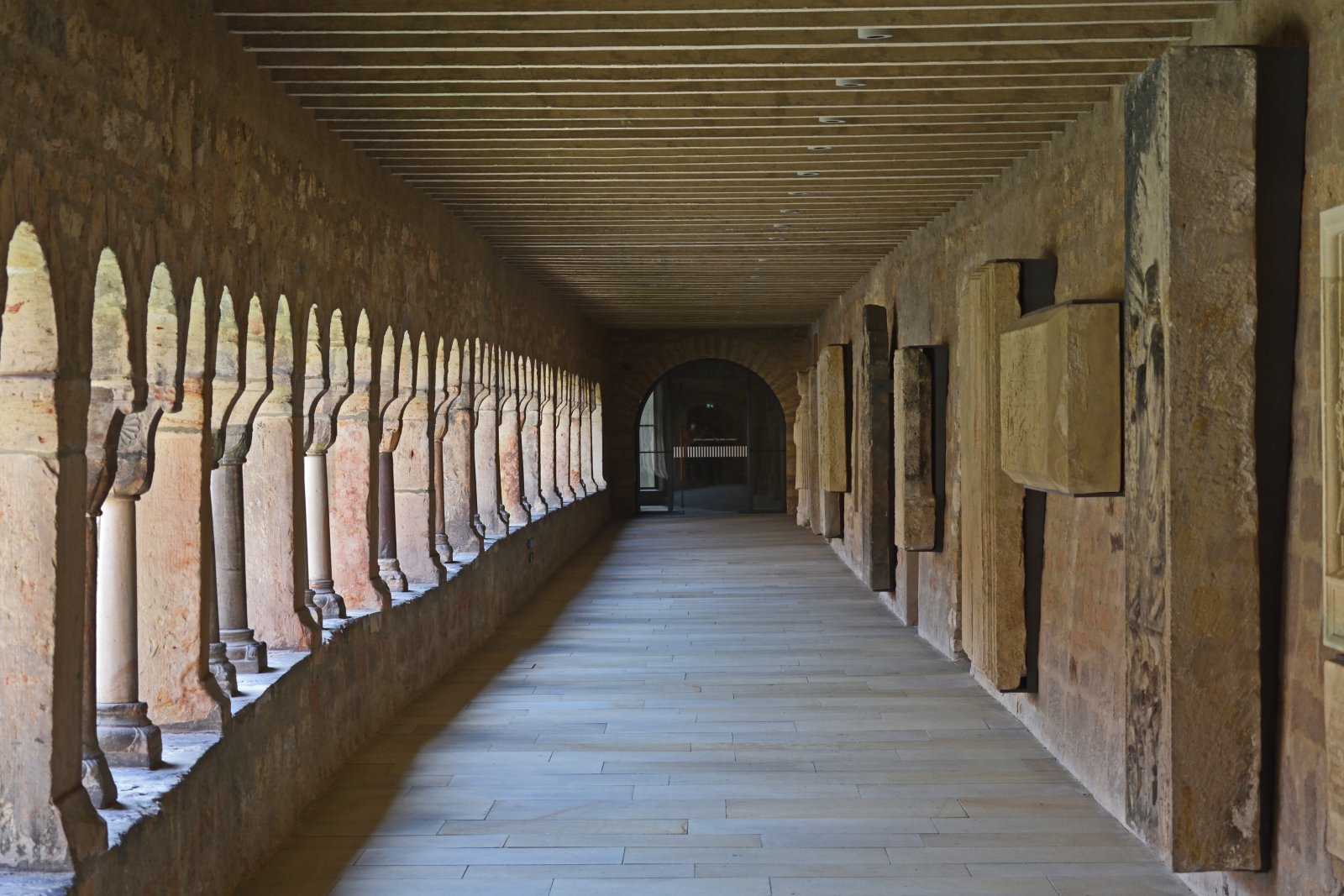
The cathedral's history is deeply intertwined with the founding of Hildesheim itself. Established by Louis the Pious in 815, the original site was a modest chapel dedicated to the Virgin Mary. However, it was Bishop Bernward, a visionary figure of the Ottonian dynasty, who initiated the construction of the current cathedral between 1010 and 1020. His ambition was to create a space that reflected both the spiritual and temporal power of the church. Over the centuries, the cathedral has witnessed numerous historical events, including its significant restoration after the devastation of World War II, which saw much of Hildesheim's medieval architecture destroyed.
Architecturally, the cathedral is a striking example of the Romanesque style, characterized by its robust structure and harmonious proportions. Its most remarkable features include the massive bronze doors, known as the Bernward Doors, which were cast in 1015. These doors are adorned with intricate biblical scenes, offering a narrative that spans from the Creation of Man to the Resurrection of Christ. Another masterpiece is the Hezilo chandelier, a 12th-century creation that hangs majestically in the nave, symbolizing the heavenly Jerusalem with its circular design and exquisite detail.
Beyond its architectural splendor, the cathedral plays a significant role in the local cultural tapestry. The Feast of the Assumption, celebrated annually on August 15th, is a vibrant event that draws pilgrims and visitors alike. This celebration is marked by processions, liturgical services, and communal gatherings, underscoring the cathedral's importance as a spiritual and community hub.
No visit to Hildesheim would be complete without indulging in the region's gastronomy. The area is renowned for its hearty and flavorful dishes, such as Braunkohl mit Bregenwurst, a traditional kale and sausage dish, perfect for the colder months. Pair this with a glass of Einbecker beer, a nod to the local brewing tradition that dates back to the Middle Ages, and you'll experience the rich culinary heritage that complements the spiritual journey of the cathedral.
For those keen on uncovering the cathedral's lesser-known curiosities, one must not miss the Thousand-Year Rosebush. This ancient rose, believed to be over a millennium old, grows on the cathedral's apse and is a symbol of Hildesheim's resilience and continuity. According to legend, as long as the rosebush flourishes, Hildesheim will thrive. Additionally, visitors should seek out the hidden medieval frescoes that have been painstakingly preserved, offering a rare glimpse into the artistry of the past.
When planning a visit, the best time to explore the cathedral is during the spring and summer months, when the weather is mild, and the rosebush is in full bloom. To make the most of your visit, consider joining a guided tour, which provides deeper insights into the cathedral's history and art. Remember to look up as you enter the nave to fully appreciate the grandeur of the Hezilo chandelier and, if possible, attend a service to experience the cathedral's remarkable acoustics.
The Cathedral of the Assumption of Mary in Hildesheim is more than just an architectural marvel; it is a living monument to the region's rich history, culture, and faith. Whether you're drawn by its artistic treasures, its storied past, or the spiritual solace it offers, a visit here is sure to leave a lasting impression.


