
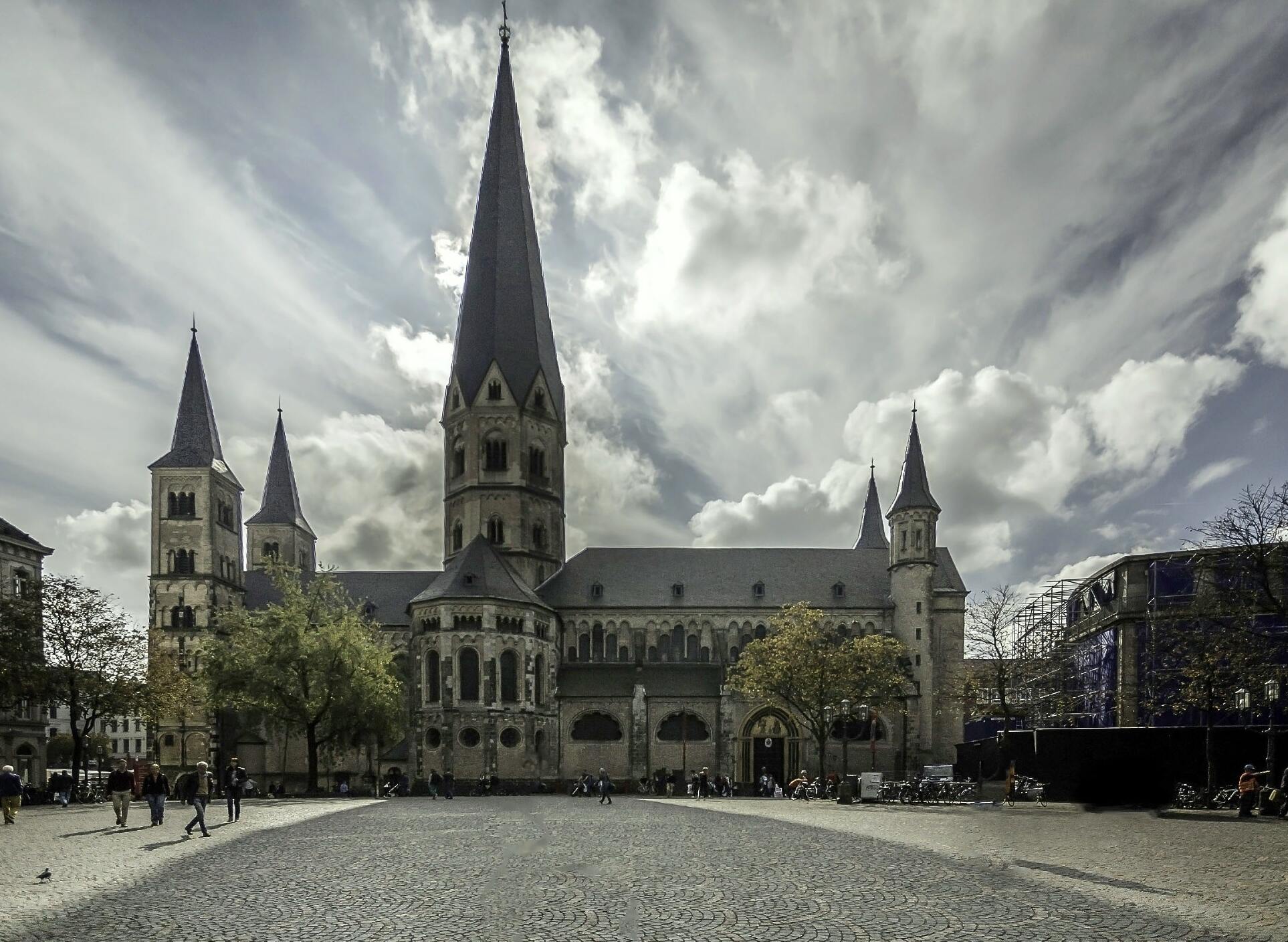

Nestled in the heart of Bonn, the Cattedrale dei Santi Cassio e Fiorenzo, or Bonner Münster, stands as a monumental testament to the city's rich heritage. This Romanesque masterpiece, dedicated to the saints Cassius and Florentius, has been a cornerstone of the local community since its founding in the 11th century. Originally built on the site of a Roman temple, this cathedral reflects the evolution of architecture through the ages, showcasing intricate sculptural details and a stunning façade that capture the essence of its time.
History and Origins The cathedral’s origins trace back to the early 11th century, when it was established by Archbishop Anno II of Cologne. As a prominent figure in the region, Anno sought to create a spiritual center that would not only serve the local population but also symbolize the burgeoning power of the archbishopric. Over the centuries, Bonner Münster has endured numerous transformations, from its initial Romanesque style to later Gothic influences, particularly evident in the architecture of the towers.
Key historical events have shaped the cathedral’s journey. In the 13th century, it became the burial site for several prominent bishops, infusing the space with profound historical significance. The cathedral sustained damage during World War II, but a dedicated restoration effort in the post-war years ensured its survival and preservation as a Basilica Minor since 1956.
Art and Architecture The architectural style of Bonner Münster is a splendid representation of Romanesque design, characterized by its robust structure, thick walls, and rounded arches. The twin towers stand at a remarkable height of 66 meters, dominating the Bonn skyline. Visitors are often drawn to the intricate stone carvings adorning the façade, which depict biblical scenes and figures, inviting a closer inspection of their artistry.
Inside, the cathedral reveals a wealth of artistic treasures. The high altar, crafted in the Baroque style, is a focal point of spiritual and artistic devotion, while the medieval stained glass windows filter light into vibrant hues, creating a serene atmosphere. Notably, the crypt houses the tombs of historical figures, adding a layer of reverence to the cathedral's ambiance.
Local Culture and Traditions The cultural importance of Bonner Münster extends far beyond its architectural splendor. The cathedral serves as a central hub for local customs and traditions, particularly during festivals. Each year, the Bonn Christmas Market transforms the plaza surrounding the cathedral into a winter wonderland, where locals and visitors alike gather to enjoy traditional glühwein (mulled wine) and Lebkuchen (gingerbread).
Additionally, the cathedral plays host to various concerts and religious ceremonies, reflecting the vibrant spiritual life of Bonn. The Feast of Saints Cassius and Florentius in late August is a local highlight, marked by processions and communal celebrations that honor the cathedral’s namesakes.
Gastronomy No visit to Bonn is complete without sampling its local gastronomy. The city is known for its hearty dishes, such as Himmel und Ääd (Heaven and Earth), a comforting combination of mashed potatoes and apple sauce served with blood sausage. Pair this with a glass of local Kölsch or Altbier, both of which are popular brews in the region.
Street vendors near the cathedral often sell Bratwurst and Pretzels, making it easy to grab a bite while exploring the area. For dessert, don’t miss the chance to try Rüdesheimer Kaffee, a coffee drink made with brandy and topped with whipped cream, perfect for warming up during the cooler months.
Lesser-known Curiosities While many visitors admire the cathedral’s façade, few may know about its hidden treasures. The crypt, often overlooked, contains not only tombs but also remnants of ancient Roman structures, hinting at Bonn's layered history. Furthermore, the bell tower houses a set of bells that date back to the 14th century, each with its own unique sound and history.
An intriguing story involves the legend of the two saints, Cassius and Florentius, who were said to have been martyred in Bonn. Their tales are woven into the fabric of local folklore, inspiring the community's cultural narrative.
Practical Visitor Information To fully appreciate the grandeur of Bonner Münster, the best time to visit is during spring or early autumn when the weather is mild, and the surrounding gardens are in bloom. Guided tours are available, providing deeper insight into the cathedral’s history and architecture.
When visiting, be sure to look for the Romanesque frescoes and explore the peaceful cloisters, which offer a serene escape from the bustling city. Don’t forget your camera; the interplay of light and shadow within the cathedral creates breathtaking photographic opportunities.
In conclusion, the Cattedrale dei Santi Cassio e Fiorenzo is not just a religious site; it embodies the spirit of Bonn, intertwining history, art, and culture in a way that captivates all who visit. For a personalized itinerary that helps you uncover more of Bonn's hidden gems, consider using the Secret World app.


