
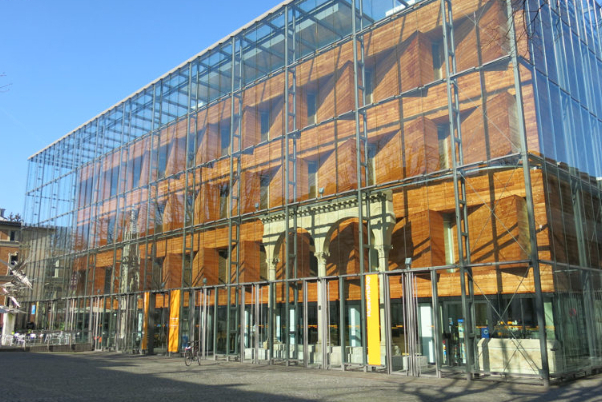

In the heart of Bonn, a city steeped in rich history and vibrant culture, the Rheinisches Landesmuseum Bonn stands as a testament to the enduring legacy of the Rhineland. This museum is not just a repository of artifacts; it is a journey through time, offering visitors an unparalleled glimpse into the past. As one of Germany's oldest museums, its origins trace back to the early 19th century, around 1820, when it was established to preserve and showcase the region's archaeological treasures.
The museum underwent a significant transformation in 2003, with extensive renovations that modernized its facilities while preserving its historical essence. This blend of the old and new is reflected in its architecture. The museum’s structure is a harmonious mix of classical and contemporary design, with sleek lines and open spaces that invite natural light to illuminate the exhibits. This architectural style enhances the viewing experience, allowing visitors to appreciate the artworks in a setting that is both inspiring and contemplative.
Among its most renowned exhibits are the ancient Roman busts and figures, which are a major draw for history enthusiasts. These artifacts, some dating back over two millennia, offer a fascinating insight into the lives and society of ancient Rome. The collection includes the impressive Xanten Youth, a bronze statue that has captivated historians and art lovers alike. The museum also features medieval artifacts and pieces from the more recent past, each telling a story of the region's evolving cultural landscape.
Bonn, known for its rich cultural tapestry, hosts numerous festivals that celebrate its heritage. The museum itself is a hub of cultural activities, with exhibitions often timed to coincide with local events such as the Beethovenfest, which honors Bonn's most famous son, Ludwig van Beethoven. The museum's programs often integrate local traditions, making it a living part of the community’s cultural fabric.
No visit to Bonn would be complete without indulging in the local gastronomy. The region is famed for its hearty Rhineland cuisine. Visitors can savor traditional dishes like Sauerbraten, a pot roast often accompanied by red cabbage and potato dumplings. Pair this with a glass of Kölsch, a light, crisp beer native to the nearby city of Cologne, to complete the culinary experience.
Beyond the well-trodden paths of the museum's main exhibits lie hidden gems and lesser-known curiosities. One such treasure is the extensive collection of ancient coins, which offers a glimpse into the economic history and trade practices of bygone eras. Additionally, the museum's archives contain rare maps and documents that provide unique insights into the region’s historical geography and development.
For those planning a visit, the Rheinisches Landesmuseum Bonn offers an enriching experience year-round, though the best time to visit is during the spring and fall. These seasons not only provide pleasant weather for exploring Bonn but also coincide with many cultural festivals. To make the most of your visit, consider joining a guided tour; knowledgeable guides can offer deeper insights into the exhibits. Be sure to allocate a few hours to wander through the museum at a leisurely pace, allowing the stories of the past to unfold.
In essence, the Rheinisches Landesmuseum Bonn is more than just a collection of artifacts; it is a chronicle of human civilization, a keeper of stories that have shaped the Rhineland and beyond. Whether you're a history aficionado, an art lover, or a curious traveler, this museum offers a captivating journey through the ages that you won't want to miss.


