
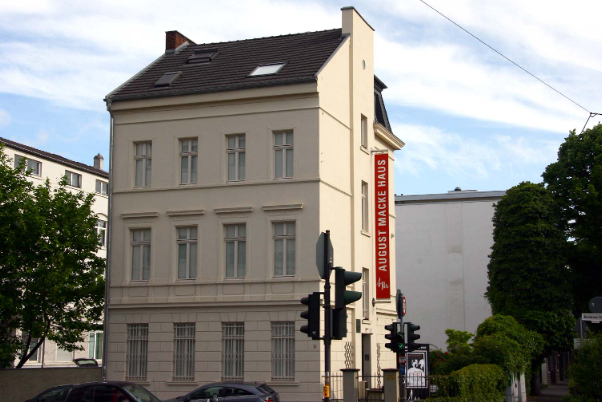

Nestled in the heart of Bonn, Germany, the Museum August-Macke-Haus offers an intimate glimpse into the life and work of one of the leading figures of the German Expressionist movement. A visit to this museum is not just an exploration of art but a journey through time, offering insights into the early 20th century when Macke's vibrant creativity flourished.
The museum is housed in the very building where August Macke lived from 1911 until his untimely death in 1914. This period was particularly significant in Macke's life, as it was here that he produced some of his most celebrated works. The house itself, constructed in the late 19th century, is a charming example of period architecture, with its quaint façade and original features that have been meticulously preserved.
Inside, the museum has painstakingly reconstructed the interiors to reflect the era when Macke resided there, complete with period furniture and personal artifacts. Walking through these rooms, visitors can almost feel the presence of Macke's creative spirit, as if he might return at any moment to pick up a brush or ponder his next composition. The museum isn't just a static tribute to Macke but a vibrant cultural hub that hosts temporary exhibitions focused on Expressionism and its impact on modern art.
The artistic significance of Macke's work lies in his use of bold colors and innovative compositions that sought to capture the essence of modern life. His paintings often depict scenes of everyday life infused with a sense of dynamism and optimism, reflecting his belief in art as a means of expressing the beauty of the world. Highlights include the joyful depiction of urban life in "Promenade" and the vivid colors of "Lady in a Green Jacket." These pieces underscore Macke's mastery in blending form and color to evoke emotion and narrative.
Beyond the walls of the museum, Bonn itself is a city steeped in history and culture. The locals take pride in their heritage, which is evident in the city's numerous festivals and traditions. One such event is the Rhein in Flammen (Rhine in Flames), a spectacular annual festival featuring fireworks and illuminated river cruises. This celebration reflects the region's deep connection with the Rhine River, a vital artery of commerce and culture throughout history.
The local gastronomy is another delight for visitors. Traditional Rhenish dishes, such as Sauerbraten (a pot roast marinated in vinegar and spices) and Reibekuchen (crispy potato pancakes often served with apple sauce), offer a taste of the region's rich culinary heritage. Pairing these dishes with a glass of local Riesling wine or a refreshing pint of Kölsch beer, a light and hoppy brew, is a must for any culinary enthusiast.
A lesser-known curiosity about the Museum August-Macke-Haus is its connection to the wider artistic community of the time. Macke was part of the Der Blaue Reiter group, alongside notable figures like Wassily Kandinsky and Franz Marc. This collective of artists sought to explore spirituality and emotion in art, and the museum occasionally hosts exhibitions that delve into these influential relationships and the exchange of ideas that helped shape modern art.
For those planning a visit, the best time to explore the museum is during the spring or early autumn when Bonn's natural beauty is at its peak, and the city's cultural calendar is bustling with events. The museum is conveniently located, and a visit can be easily combined with a stroll through Bonn's historic Altstadt (Old Town), with its picturesque streets and vibrant cafes.
Visitors should take their time to appreciate the carefully curated exhibits and reconstructed living spaces. Pay particular attention to the details in Macke's personal items and the subtle ways his environment influenced his art. The museum shop also offers a range of art books and prints, perfect for those wishing to take a piece of Macke's world home with them.
In sum, the Museum August-Macke-Haus is more than just a tribute to a single artist; it is a window into the cultural and historical landscapes of early 20th-century Germany. It invites visitors not only to admire Macke's artistry but to immerse themselves in the social and cultural currents that continue to shape this vibrant region.


