


Nestled in the picturesque Vallon-Pont-d'Arc, the Chauvet-Pont d'Arc cave stands as a testament to human creativity and ingenuity from the Palaeolithic period. Discovered in 1994 by three enthusiastic speleologists, this remarkable site is home to one of the oldest collections of cave paintings in the world, dating back approximately 36,000 years. The cave’s entrance, marked by the stunning Pont d'Arc natural bridge, serves as a gateway not only to breathtaking landscapes but also to an extraordinary glimpse into the lives of our prehistoric ancestors.
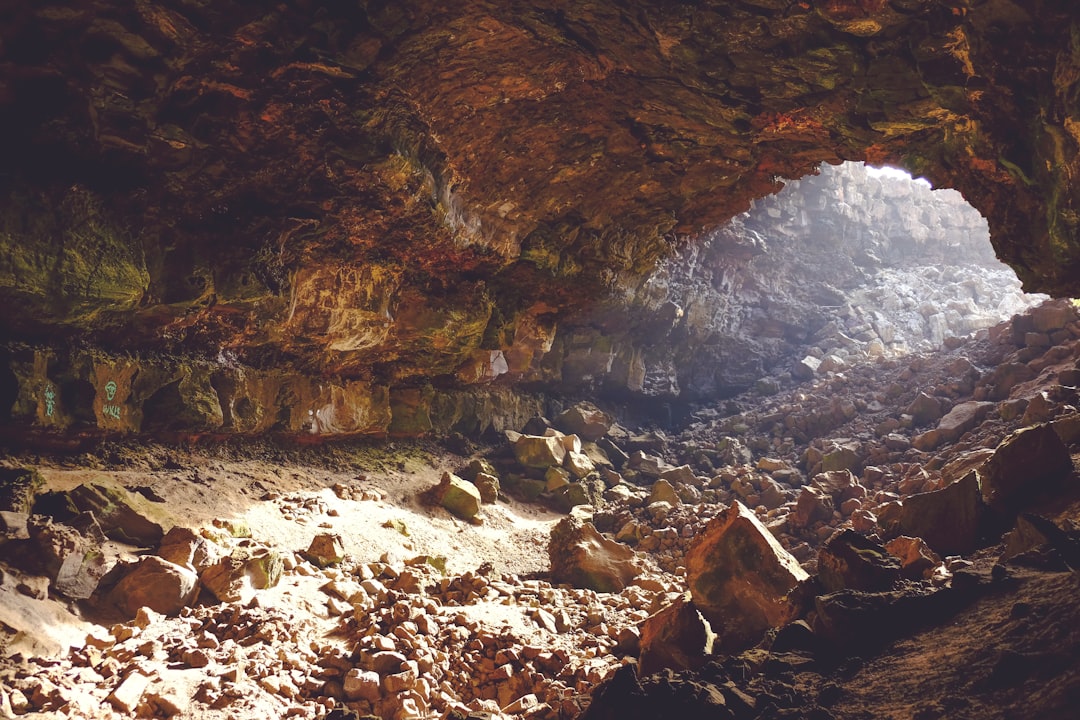
The Chauvet-Pont d'Arc cave is renowned for its stunningly preserved pictorial masterpieces, featuring over 425 animal figures including mammoths, lions, and bison. These images are not just artistic representations; they reveal insights into the behaviors and relationships of the animals that roamed the region during the Aurignacian period. The cave’s intricate engravings and vivid paintings, created using natural pigments, demonstrate a sophisticated understanding of form and movement, suggesting a deep cultural significance and a keen observation of nature by its early inhabitants.
Architecturally, the cave itself is a marvel. It stretches for nearly 1,500 meters and consists of various chambers filled with stalactites and stalagmites, creating an otherworldly atmosphere. The Great Gallery, one of the most significant sections, showcases a stunning array of animal depictions, while the Panel of the Lions is particularly noteworthy for its dynamic portrayal of these majestic creatures. The sheer scale and complexity of the artwork suggest that these early artists may have had a communal or ritualistic purpose behind their creations, perhaps as part of hunting rites or spiritual beliefs.
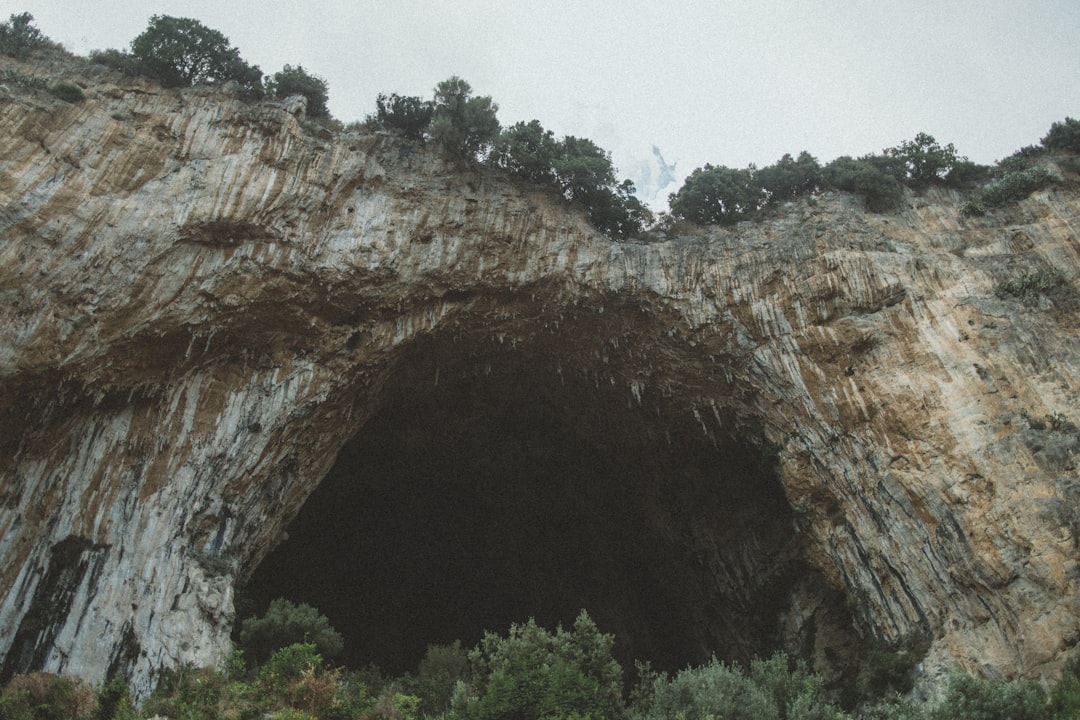
Surrounding the Chauvet-Pont d'Arc cave is the vibrant local culture of Vallon-Pont-d'Arc, where traditions and customs reflect the rich history of the region. The area is known for its annual Cave Festival, celebrating the discovery of the cave with art exhibitions, storytelling, and performances that pay homage to prehistoric life. Local artisans often showcase their crafts, such as pottery and weaving, inspired by ancient techniques, allowing visitors to engage with the cultural heritage that connects them to the cave's past.
No visit to this exceptional region would be complete without indulging in its gastronomy. The Ardèche department is famous for its local specialties, including chestnut products, which are a staple ingredient in many traditional dishes. Be sure to try crêpes aux châtaignes, a delightful blend of chestnut flour and local honey, or sample caillette, a savory meat pie made with herbs and spices. Pair these dishes with a glass of Côtes du Vivarais, a local wine that perfectly complements the robust flavors of the region.
For those intrigued by lesser-known curiosities, the Chauvet-Pont d'Arc cave hides a few surprises. One fascinating detail is that the cave was sealed off for nearly 20,000 years, which helped preserve its artwork from the elements. Additionally, research has suggested that the cave may have served as a habitat for early humans, indicating a complex relationship between the artists and their environment. Visitors may also be intrigued to learn that the cave is a UNESCO World Heritage site, recognized for its exceptional universal value, making it a vital link in the chain of human history.
When planning a visit to Chauvet-Pont d'Arc, the best time to go is during the spring or early autumn when the weather is mild and the surrounding landscapes are at their most vibrant. Visitors should book tickets in advance, as access to the cave itself is limited to guided tours to ensure its preservation. Look out for the replica cave, the Caverne du Pont d'Arc, which offers an immersive experience of the original cave's artistry and is a perfect alternative for those unable to enter the actual site.
In conclusion, Chauvet-Pont d'Arc is not just a cave; it is a portal to our distant past, a reminder of the creativity and resilience of early humans. The stories etched into its walls invite us to ponder our connection to history and art. For a uniquely tailored experience, consider using the Secret World app to plan a personalized itinerary that includes a visit to this remarkable site.


