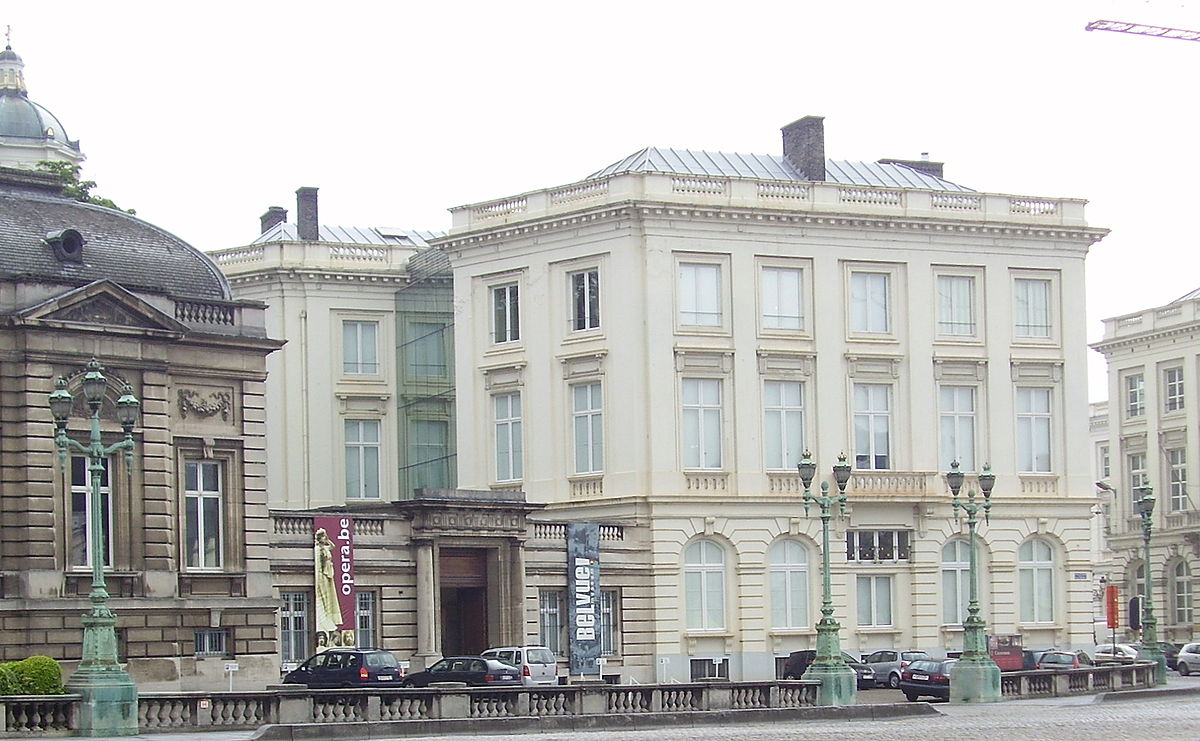

Nestled in the heart of Brussels, the Musée BELvue stands as a vibrant testament to the complex and rich tapestry of Belgian history. With its roots tracing back to the aftermath of the Belgian Revolution of 1830, this museum is not just a repository of artifacts but an immersive journey through the country's evolution from a divided region to a unified state.
### History and Origins
The BELvue Museum was established in 2007, but the site itself holds a much longer narrative. The building that houses the museum is perched on the historic Coudenberg, once the site of the Brussels Palace, which was destroyed by fire in 1731. This location is steeped in significance, having witnessed key moments in Belgium's history, particularly the 1830 revolution, which ultimately led to the nation’s independence from the United Kingdom of the Netherlands.
Through a series of engaging exhibits, the museum chronicles major events after Napoleon’s defeat at Waterloo in 1815, specifically highlighting the reign of various Belgian monarchs, including King Leopold I, the first king of the Belgians. The museum's collections provide context to the tumultuous political landscape that shaped modern Belgium, offering insights into the social, economic, and cultural shifts that accompanied these transformations.
### Art and Architecture
Architecturally, the Musée BELvue is an intriguing blend of old and new. The building itself combines elements of Neoclassical and Modernist styles, reflecting the historical significance of the site while embracing contemporary design. As you wander through its halls, you'll encounter striking installations, including meticulous dioramas, artifacts, and audiovisual displays that breathe life into the narratives of the past.
Notably, the museum's collection includes several paintings and sculptures from Belgian artists, showcasing the country's artistic heritage. Look out for works by James Ensor and René Magritte, whose surrealist styles have shaped Belgium's identity in the art world. The thoughtful curation encourages visitors to connect emotionally with the stories behind each piece, enhancing the educational experience.
### Local Culture and Traditions
Brussels is a city where rich history intertwines with vibrant culture. The BELvue Museum serves as a gateway to understanding the diverse fabric of Belgian traditions and customs. One notable tradition is the celebration of National Day on July 21st, commemorating the ascension of King Leopold I to the throne in 1831. Throughout the city, festivities brim with parades, fireworks, and cultural performances, bringing together communities in a shared celebration of national pride.
Furthermore, the museum often hosts temporary exhibitions and events that reflect contemporary issues facing Belgium, thus continuing the conversation about identity, unity, and diversity. This makes it a cultural hub, fostering dialogue among locals and visitors alike.
### Gastronomy
No visit to Brussels would be complete without indulging in its world-renowned gastronomy. Just a stone's throw from the Musée BELvue, you can savor local delights such as moules-frites (mussels with fries), a quintessential Belgian dish. Pair your meal with a glass of Belgian beer, renowned for its variety and quality—try a Trappist ale for a unique experience.
For a sweet treat, don't miss the opportunity to sample Belgian waffles, available in both Brussels and Liège styles. The former is light and crispy, often topped with whipped cream and strawberries, while the latter is denser, featuring caramelized sugar that provides a delightful crunch. These culinary experiences add another layer to your visit, deepening your connection to the local culture.
### Lesser-Known Curiosities
While the Musée BELvue is rich in historical significance, it also hides some lesser-known gems. For instance, the museum features a unique historical timeline that spans the entire wall of the main exhibition, allowing visitors to visually grasp the events that have shaped Belgium over the centuries. Additionally, there is a hidden staircase that leads to the Coudenberg Archaeological Site, where you can explore the remnants of the former palace and uncover the layers of history beneath your feet.
Another intriguing aspect is the museum's interactive exhibits, which include a virtual reality experience that allows visitors to step into significant moments of Belgian history. This modern approach makes history accessible and engaging, particularly for younger audiences.
### Practical Visitor Information
The best time to visit the Musée BELvue is during the spring and autumn months when the weather is mild, and the tourist crowds are smaller. Check the museum's calendar for special events or exhibitions that may coincide with your visit.
To get the most out of your experience, take advantage of the guided tours available, which provide deeper insights into the exhibits. And don’t forget to spend some time exploring the surrounding Place des Palais, where you can soak in the grandeur of the royal surroundings.
In conclusion, the Musée BELvue offers a rich exploration of Belgium’s past, art, and culture, making it an essential stop for anyone wishing to understand the heart of this captivating nation. For a personalized itinerary that captures the essence of Brussels, consider planning your visit with the Secret World app.
