
← Back

Chestnut Museum in Castel Rio

Via Montanara, 1, 40022 Castel del Rio BO, Italia ★★★★☆ 297 views
Patrizia Troise
Castel del Rio
🏆 AI Trip Planner 2026

Get the free app

Discover the best of Castel del Rio with Secret World — the AI trip planner with 1M+ destinations. Get personalized itineraries, hidden gems and local tips. Free on iOS & Android.

🧠 AI Itineraries 🎒 Trip Toolkit 🎮 KnowWhere Game 🎧 Audio Guides 📹 Videos
Download on the App Store Get it on Google Play
Scan to download Scan to download

About Chestnut Museum in Castel Rio

Chestnut Museum in Castel Rio - Castel del Rio | Secret World Trip Planner

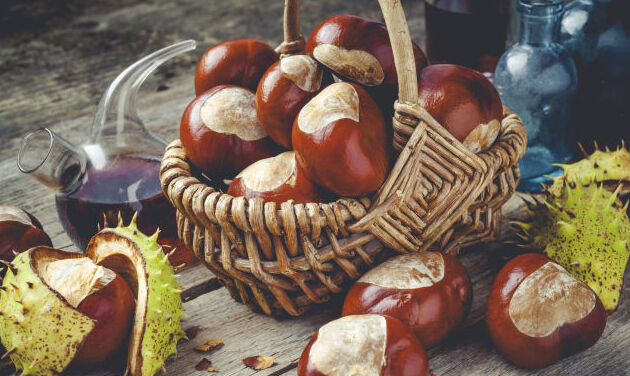
In the rooms of Palazzo Alidosi, in Castel del Rio on the Imola hills, are collected the secrets of the cultivation and processing of a fruit long considered the "bread of the poor". The Museum tells the story of this fruit, starting with the soil on which the plants grow and ending with a description of the natural characteristics of the chestnut trees.The museum, created in 2002, is an integral part of the "Strada dei vini e sapori dei Colli d'Imola" (Route of the wines and flavours of the hills of Imola), located in the picturesque hills of Imola, in the province of Bologna. The Chestnut Museum is housed in some rooms of Palazzo Alidosi, which has been the town hall of Castel del Rio since 1841. The monumental palace-fortress was built at the behest of Cardinal Francesco Alidosi at the beginning of the 16th century, perhaps to a design by Bramante, a friend of the cardinal, or by Francesco da Sangallo. The project, which envisaged a massive square structure surrounded by a defensive moat, was never completed due to the debts incurred, and the work ended with the construction of only two of the four planned bastions. The museum is an opportunity to encounter the nature, culture and history of the upper Santerno Valley, centred on the fruit of the chestnut tree, in particular the delicious marrone of Castel del Rio which boasts Igp recognition. Chestnuts are very different from the more common chestnuts. First of all, they are distinguished by their taste: sweeter and more fragrant, they exalt the aromas and flavours of the woods. The chestnut is also larger than a chestnut, so much so that a husk contains a maximum of two or three fruits. Finally, it is protected by a brown skin and a thin husk that can be removed very easily, which is almost impossible with chestnuts. All the goodness of the chestnuts can be fully enjoyed in autumn, but - as illustrated by panels and special tools in the museum - the wisdom of the mountain people has developed an all-natural procedure to preserve the exquisiteness of the fruit until spring. The chestnuts are immersed in water for about 8 days, so as to cause a slight fermentation; the fruits are then left to dry in well-aired rooms and collected in net bags.

🗺 AI Trip Planner

Plan your visit to Castel del Rio

Suggested itinerary near Chestnut Museum in Castel Rio

MAJ+
500.000+ travelers worldwide
  1. 🌅
    Morning
    Chestnut Museum in Castel Rio
    📍 Castel del Rio
  2. ☀️
    Afternoon
    Chestnut Museum
    📍 0 km · Castel del Rio
  3. 🌆
    Evening
    Moraduccio waterfall
    📍 4.3 km · Castel del Rio

Buy Unique Travel Experiences

Powered by Viator

See more on Viator.com

Explore nearby · Castel del Rio

Frequently Asked Questions

The Chestnut Museum is located in Palazzo Alidosi in Castel del Rio, in the hills of Imola, province of Bologna. The museum was created in 2002 and occupies several rooms of the palace, which has served as the town hall since 1841.
The marrone of Castel del Rio has IGP (Protected Geographical Indication) recognition and is distinguished by its sweeter and more fragrant taste compared to regular chestnuts, with larger fruits and a thin, easily removable skin. Each husk contains a maximum of two or three fruits, making them prized for their quality and flavor.
Palazzo Alidosi is a monumental palace-fortress built at the beginning of the 16th century by Cardinal Francesco Alidosi, possibly designed by Bramante or Francesco da Sangallo. The original ambitious project envisaged a massive square structure with a defensive moat, but was never completed due to debts, resulting in only two of four planned bastions being constructed.
The museum tells the complete story of chestnut cultivation and processing, from the soil where plants grow to the natural characteristics of chestnut trees, exploring how this fruit historically served as the 'bread of the poor.' Through panels and special tools, it demonstrates the traditional all-natural processing methods developed by mountain people.
Autumn is the best time to visit to fully enjoy the goodness of chestnuts when they're freshly harvested. The museum is part of the 'Strada dei vini e sapori dei Colli d'Imola' (Route of wines and flavours of Imola hills), offering visitors opportunities to explore the picturesque surrounding hills and local culinary traditions.
