
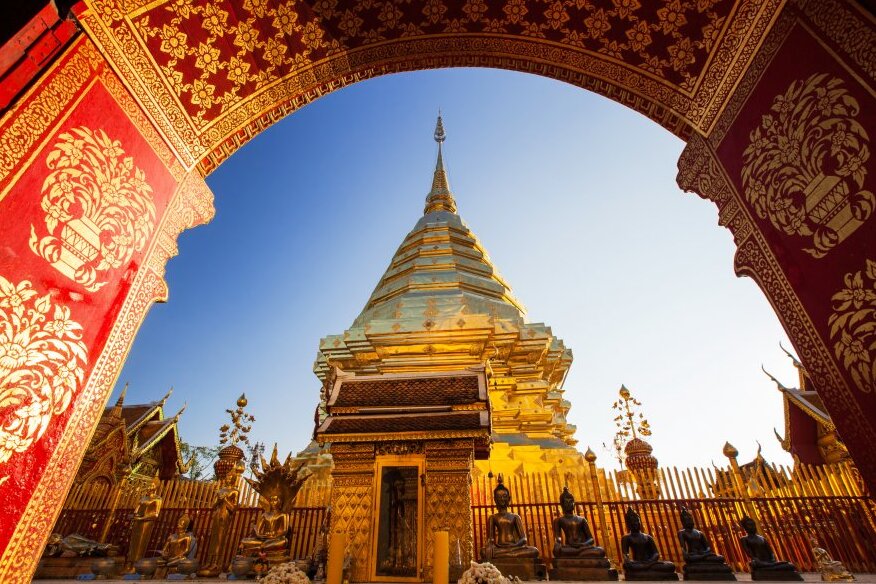

Perched high in the mountains of Doi Suthep National Park, the Wat Phra That Doi Suthep is not just a temple; it is a sacred site steeped in history and culture. The origins of this revered place date back to the 14th century, when it was founded by King Kue Na of the Lanna Kingdom. According to legend, a sacred relic of the Buddha was discovered, and a white elephant carried it up the mountain, eventually dying at this site, marking it as the temple's sacred location.
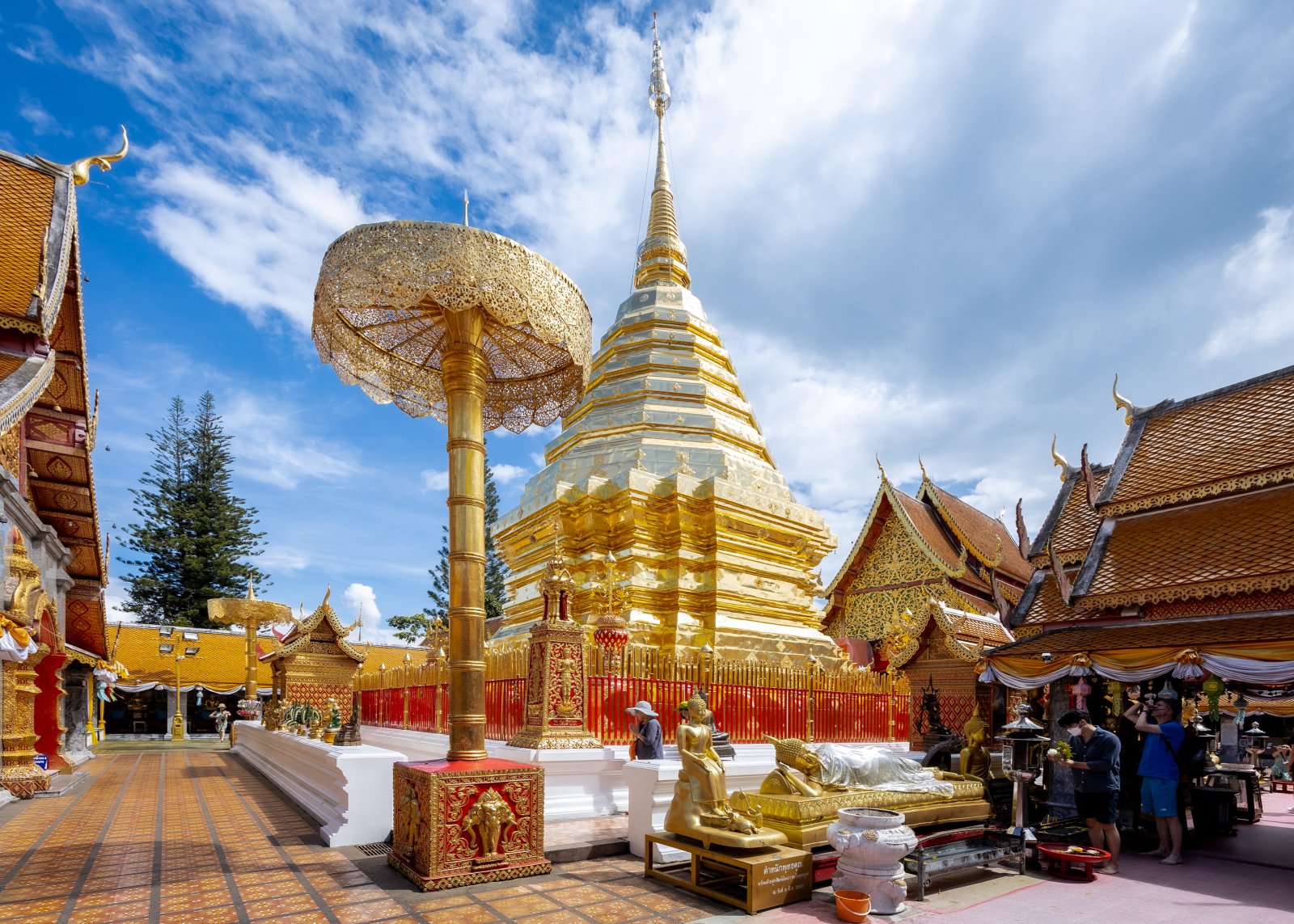
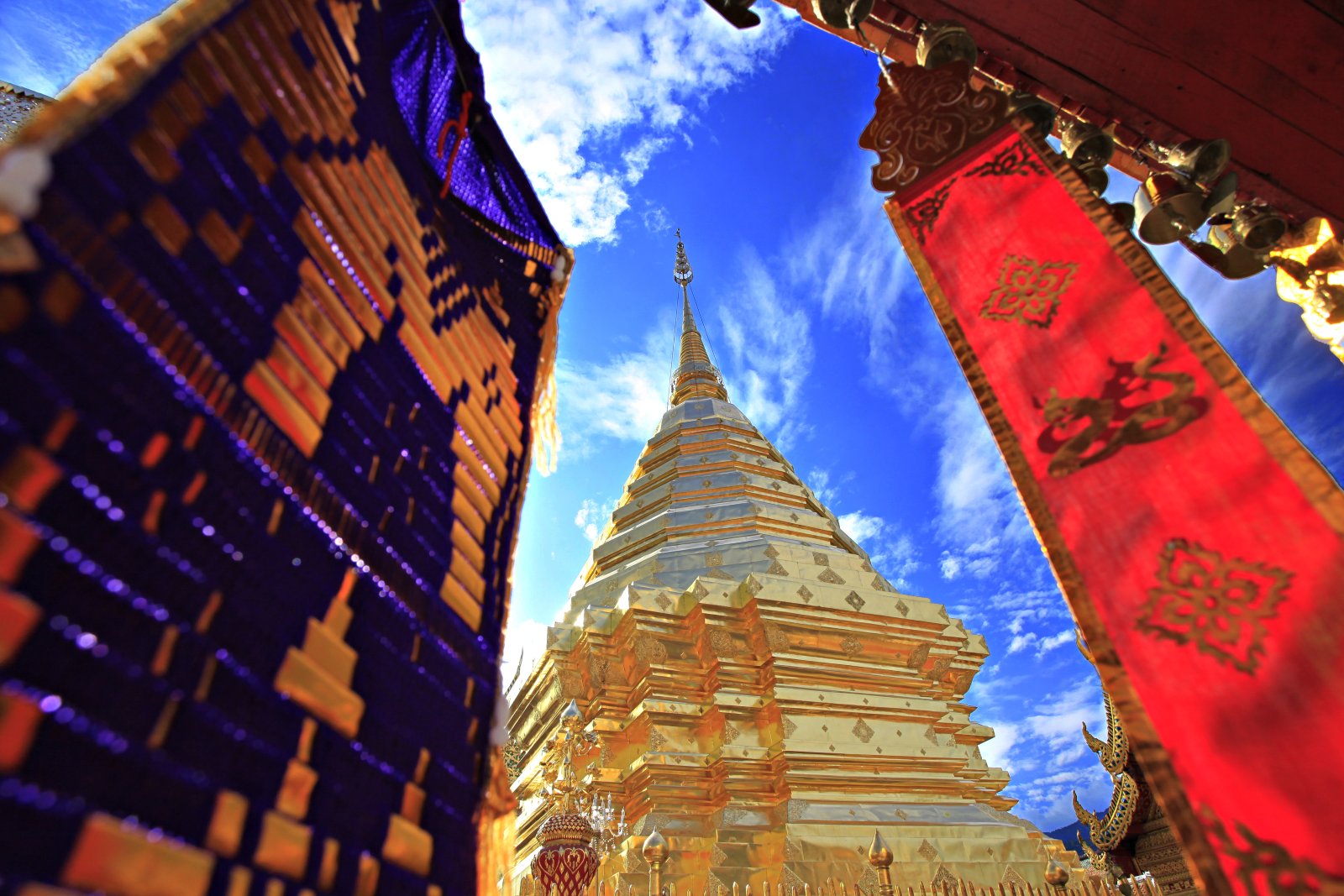
The temple’s architectural style is a stunning representation of Lanna architecture, characterized by intricate details and vibrant colors. The golden stupa, which stands at 24 meters tall, is the centerpiece of the temple complex, adorned with countless Buddhist symbols. Visitors can marvel at the beautifully painted murals and sculptures that depict scenes from the life of the Buddha, displaying the artistic prowess of the region.
Culturally, the Wat Phra That Doi Suthep holds immense significance for locals and visitors alike. Every April, the temple hosts the Buddha's Birthday celebrations, attracting thousands of devotees who participate in candlelight processions and rituals. The temple is not only a spiritual haven but also a place where local customs are preserved, such as the intricate practice of monk chanting that occurs daily at 6 PM, offering a serene experience for those who attend.
When visiting, don’t miss the opportunity to indulge in the local gastronomy. Khao Soi, a rich coconut curry noodle soup, is a must-try dish that reflects the blend of flavors found in Northern Thai cuisine. Pair it with a refreshing glass of cha yen, Thai iced tea, to complete your culinary experience. Street vendors near the temple often offer these delights, providing an authentic taste of the region.
For those who think they know everything about Doi Suthep, consider this: hidden within the temple grounds is a small cave where monks traditionally meditate. This secluded spot is often overlooked by tourists rushing to take photos of the stupa, yet it offers a profound sense of peace and connection to the temple's spiritual heritage. Also, the Naga serpent statues that guard the staircase are beautifully detailed and symbolize protection; many visitors miss their significance in Thai mythology.
The best time to visit Wat Phra That Doi Suthep is early in the morning or late afternoon to avoid peak crowds and enjoy a more tranquil atmosphere. The journey to the temple involves climbing 304 steps, which rewards you with breathtaking views of Chiang Mai and the surrounding mountains. For those who prefer a less strenuous route, a cable car is available, allowing easy access to the top.
While exploring the temple, take time to observe the intricate details – from the gold leaf decorations to the vibrant ceramic tiles that tell stories of the Buddha’s life. Each element in the temple is steeped in significance, making it a treasure trove for those interested in Buddhist art and history.
In conclusion, Wat Phra That Doi Suthep is more than a picturesque temple; it is a living testament to the rich spiritual and cultural tapestry of Thailand. From its storied past to its vibrant present, each visit unveils new layers of history and meaning. Consider using the Secret World app to create a personalized itinerary that ensures you capture every aspect of this magnificent site.


