
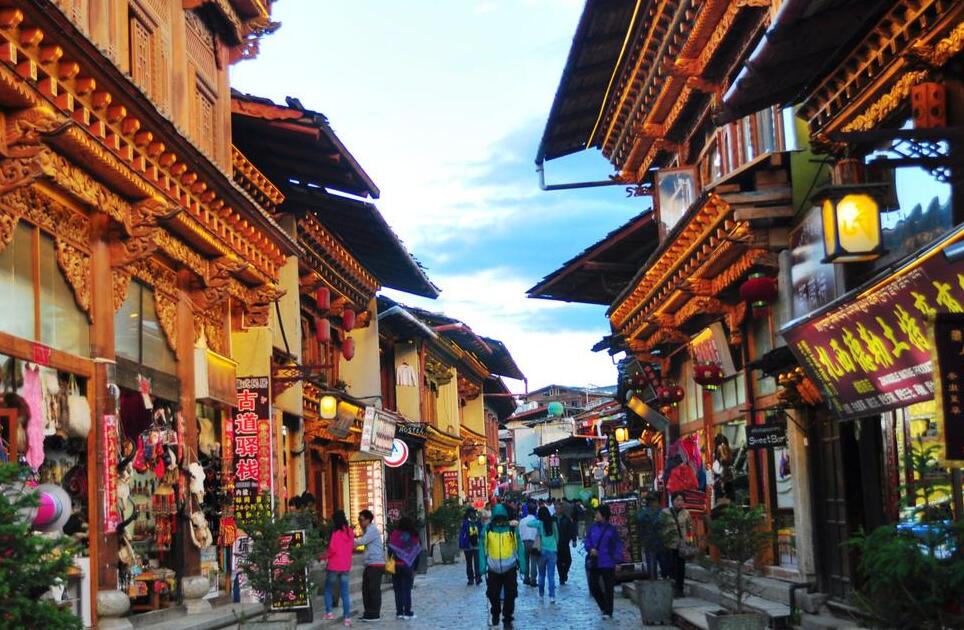

As one of Thailand’s most culturally important cities, Chiang Mai undoubtedly earns its reputation as the "Rose of the North!" Nestled in the mountains of northern Thailand, this city has a rich history that dates back to its founding in 1296 by King Mengrai. Originally established as the capital of the Lanna Kingdom, Chiang Mai was strategically located along trade routes, fostering a blend of cultures and influences from neighboring regions and beyond.

Throughout its history, Chiang Mai has witnessed significant events, including the Burmese occupation in the 18th century and its eventual incorporation into Thailand in the late 19th century. These historical layers have contributed to its unique identity, making it a treasure trove of ancient temples and cultural heritage.
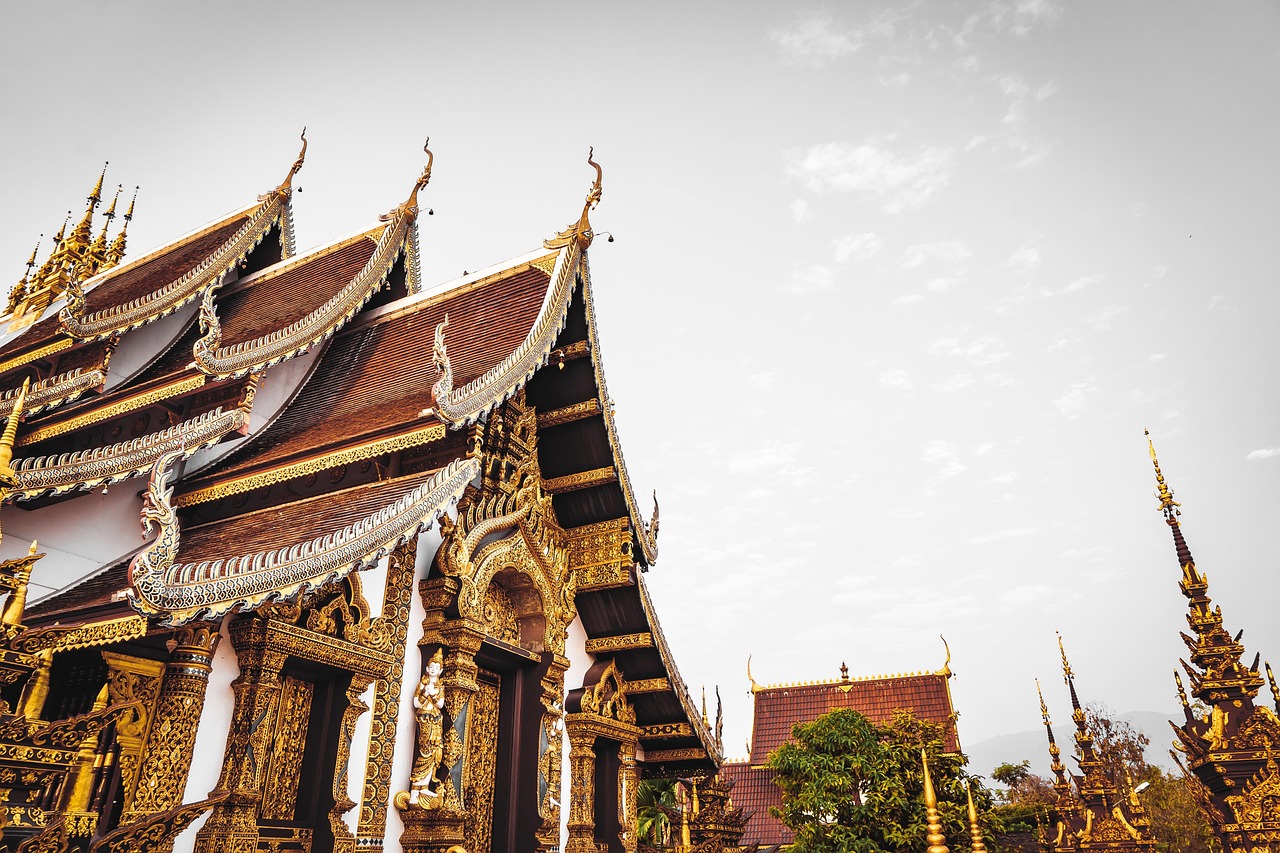
Walking through the streets of Chiang Mai, one cannot miss the stunning Lanna architecture that defines the city. The intricate wooden carvings and ornate roofs of temples such as Wat Phra Singh and Wat Chedi Luang showcase the artistic prowess of the region. Wat Phra Singh, built in the 14th century, houses the revered Lion Buddha and serves as a focal point for local festivals. The architectural style reflects a harmonious blend of Thai, Burmese, and Chinese influences, making it a captivating subject for both historians and art lovers.
Local culture thrives in Chiang Mai, where traditions are deeply rooted in daily life. The city is famous for its Yi Peng Lantern Festival, held annually in November, when thousands of lanterns illuminate the night sky as a symbol of letting go of misfortunes. Additionally, the Songkran Festival, marking the Thai New Year in April, transforms the streets into lively water fights, symbolizing purification and renewal.
The culinary scene in Chiang Mai is a delight for food enthusiasts. Local specialties such as Khao Soi, a coconut curry noodle soup, and Sai Oua, a spicy northern Thai sausage, reflect the rich flavors of the region. Don’t miss the opportunity to explore the bustling Warorot Market, where you can sample street food delicacies and shop for handicrafts.
Beyond the well-trodden paths, Chiang Mai holds lesser-known curiosities that add to its charm. For instance, the Buddhist monk chats at various temples allow visitors to engage with monks and learn about their lives and practices. Many tourists also overlook the Bua Thong Waterfalls, known as the "Sticky Waterfalls," where visitors can climb the limestone cascades without slipping due to its unique mineral composition.
When planning a visit, the best time to explore Chiang Mai is during the cooler months from November to February, when temperatures are more pleasant for outdoor activities. It’s advisable to dress modestly, especially when visiting temples, and to be mindful of local customs and traditions.
Travelers should also consider renting a bicycle or scooter to navigate the city’s charming streets and surrounding countryside. Look out for local artisans showcasing their crafts, from intricate silver jewelry to handwoven textiles, which make for perfect souvenirs.
As you immerse yourself in the rich tapestry of Chiang Mai, you'll discover a city that blends the old with the new, the tranquil with the vibrant. To truly capture the essence of your journey and uncover hidden gems, consider using the Secret World app to plan a personalized AI itinerary tailored to your interests.


