
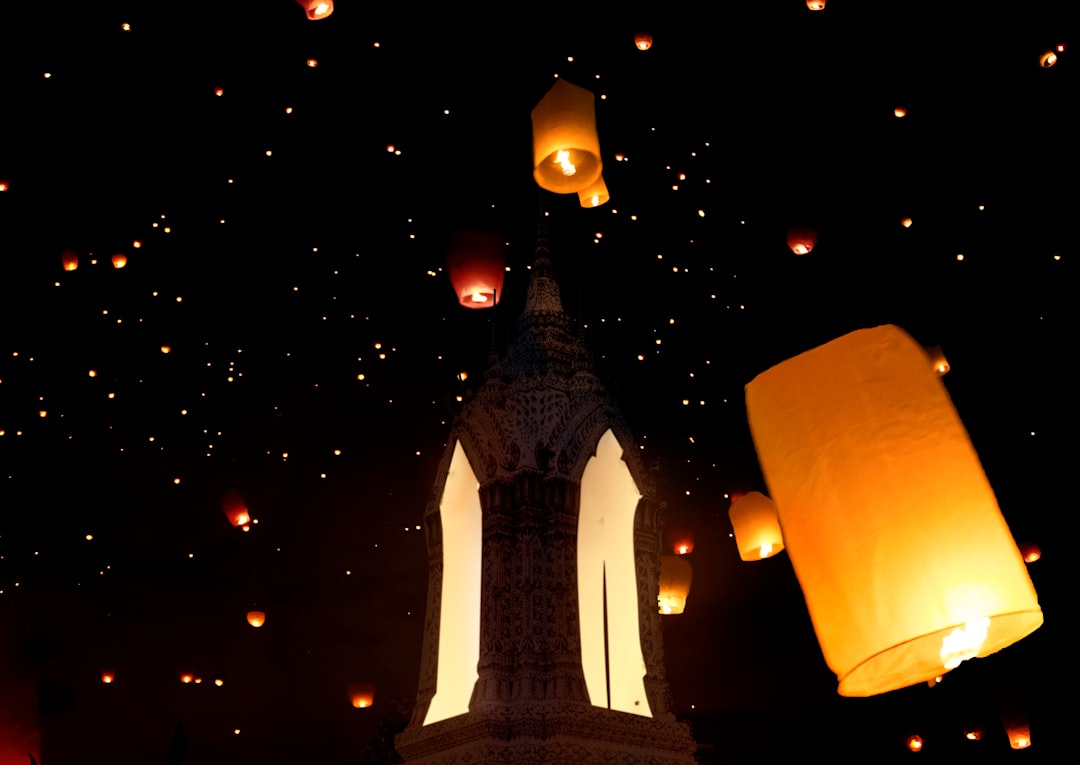
In the heart of northern Thailand lies Chiang Mai, a city steeped in history and culture. Renowned for its breathtaking landscapes and ancient temples, it also plays host to one of the most mesmerizing festivals in the world: the Yi Peng Lantern Festival. This annual celebration, held each November, invites locals and visitors alike to release thousands of lanterns into the night sky, creating a spectacle that is both visually stunning and deeply symbolic.
### History and Origins The origins of the Yi Peng Lantern Festival can be traced back to the ancient Lanna Kingdom, which flourished in northern Thailand from the 13th to the 18th century. The festival was originally celebrated as a way to honor the Buddha, with the lanterns symbolizing the illumination of the mind and the release of negative thoughts. The name 'Yi Peng' translates to 'second month' in the Lanna calendar, indicating its timing during the full moon of the 12th lunar month.
Key historical figures, such as King Mengrai, the founder of Chiang Mai, played a significant role in shaping the cultural landscape of the region. The festival, which coincides with the Loi Krathong festival, dates back centuries, and while Yi Peng focuses on the sky lanterns, Loi Krathong involves floating small, decorated baskets (or krathongs) on waterways, symbolizing the letting go of misfortune.
### Art and Architecture Chiang Mai is adorned with intricate temples and traditional Lanna architecture that reflect its rich history and culture. The most notable site is the Wat Phra That Doi Suthep, a sacred temple perched on Doi Suthep mountain. Its golden stupa is a stunning piece of craftsmanship, particularly captivating during the Yi Peng Festival when it is illuminated against the backdrop of the night sky.
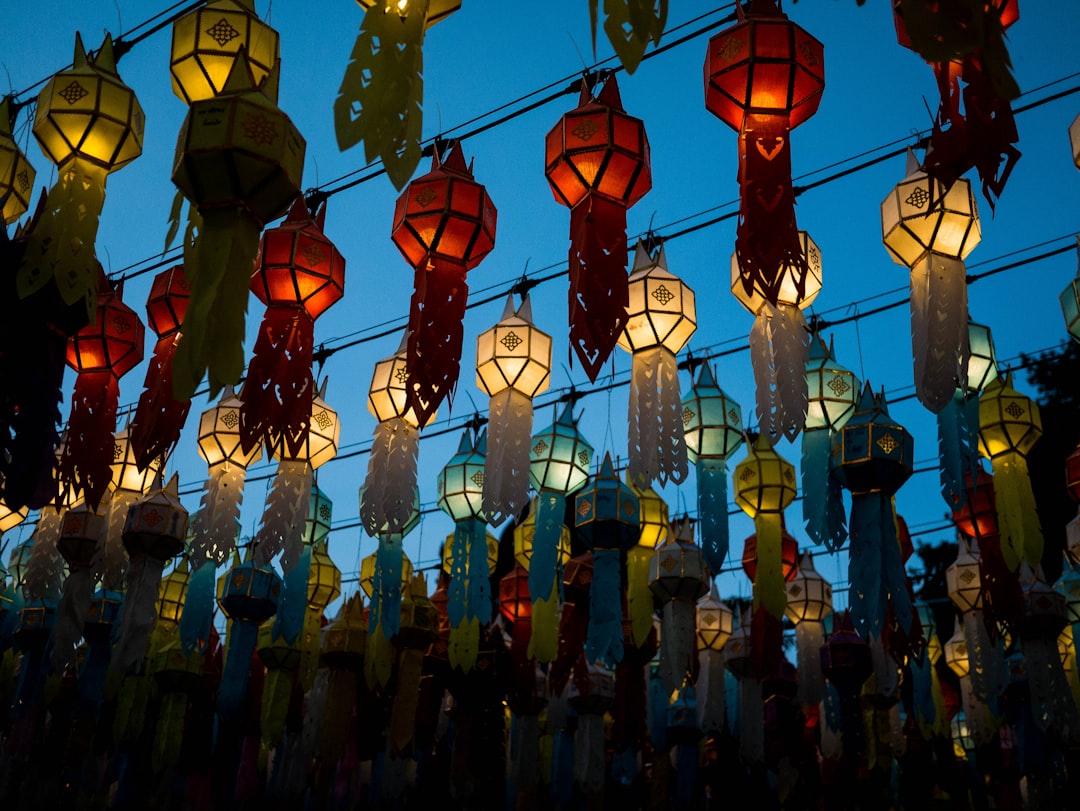
Local artisans also create beautiful paper lanterns, known as khom loi, which are made from rice paper and bamboo. These lanterns come in various shapes and sizes, often adorned with intricate designs that reflect local beliefs and artistry. The preparation and decoration of these lanterns are steeped in tradition, making them not only a festival highlight but also an artistic expression of Lanna culture.
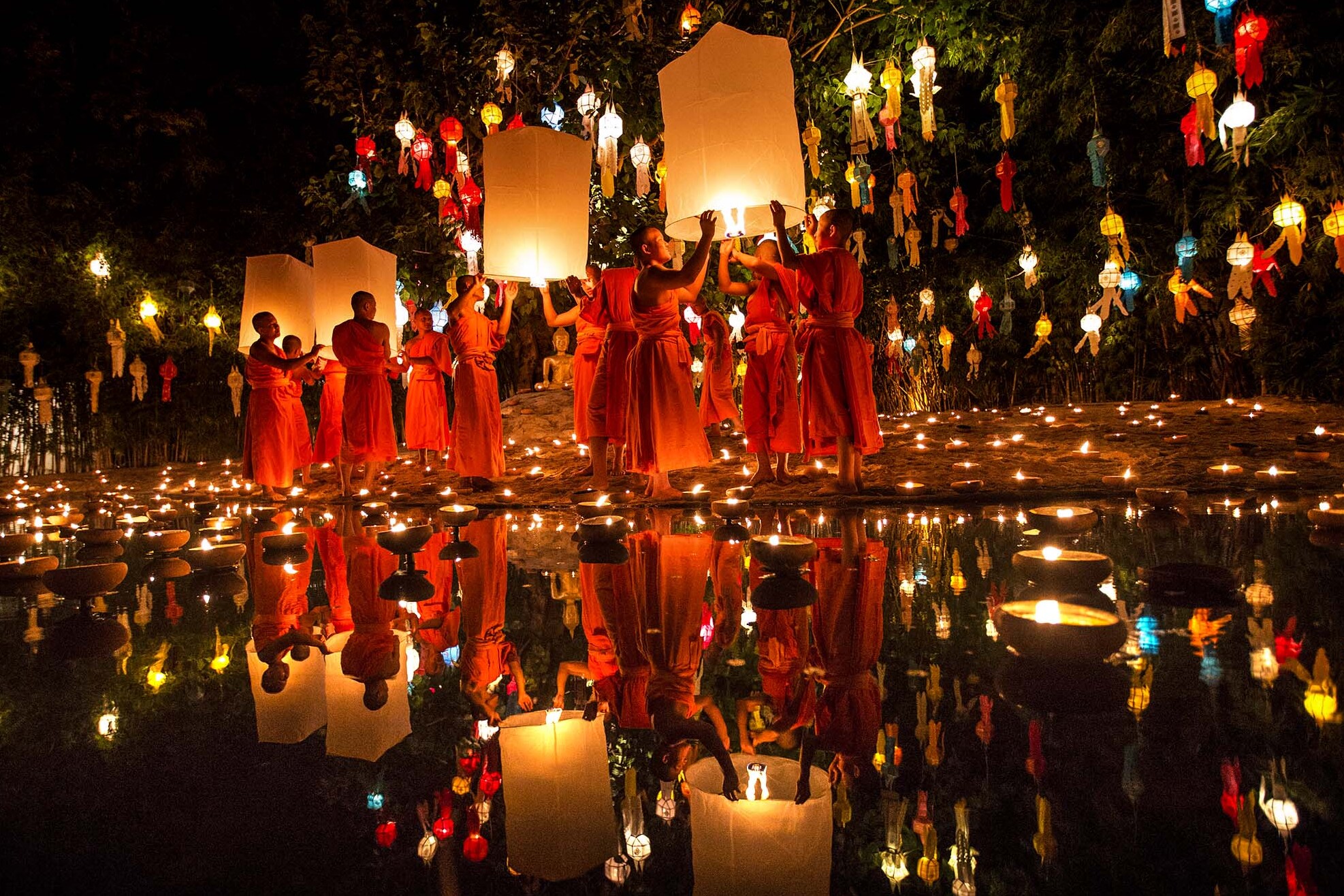
### Local Culture and Traditions The Yi Peng Lantern Festival is not merely a visual spectacle; it is deeply rooted in local culture and traditions. Families gather to create their lanterns, often writing their wishes and prayers on them before releasing them into the sky. The act of letting go symbolizes the hope for a better future, a moment of reflection, and a way to pay homage to Buddha.
Additionally, visitors can immerse themselves in other cultural practices during this time. Traditional Lanna music and dance performances can be observed throughout the city, showcasing the region's rich artistic heritage. The festival fosters a sense of community, as people come together to celebrate and share in the joy of lighting up the night.
### Gastronomy Chiang Mai's gastronomy is as vibrant as its festivals. Local specialties such as Khao Soi, a creamy coconut curry noodle soup, and Sai Oua, a spicy herbal sausage, are must-tries for any visitor. During the festival, you’ll find street food stalls offering delicious snacks like grilled meats and sweet treats, providing an authentic taste of the region.
Moreover, the Mango Sticky Rice dessert, made from glutinous rice, coconut milk, and ripe mango, is a local favorite that sweetens the night as lanterns fill the sky. Pairing these dishes with a refreshing Thai iced tea or a local craft beer enhances the culinary experience.
### Lesser-known Curiosities While the Yi Peng Lantern Festival is widely celebrated, there are lesser-known facts that add depth to this enchanting event. For instance, the festival's lanterns are often made by local families, and some even participate in competitions for the most beautifully crafted lantern. Additionally, the act of floating krathongs during Loi Krathong is believed to bring good luck and fortune for the coming year.
Another interesting aspect is the environmental initiative that has emerged around the festival. Many locals are now opting for eco-friendly lanterns made from biodegradable materials to minimize the festival's impact on the environment, reflecting a growing awareness of sustainability.
### Practical Visitor Information The best time to visit Chiang Mai is during the Yi Peng Festival, which typically occurs in November. The dates vary each year, so checking the lunar calendar is advisable. Arrive early to secure a good spot for viewing the lantern releases, especially in popular areas like the Ping River and Nimmanhaemin road.
Transportation options include tuk-tuks, songthaews (red trucks), and rental scooters for those looking to explore the city at their own pace. Remember to respect local customs during the festival, such as wearing modest clothing when visiting temples.
### Conclusion Experiencing the Yi Peng Lantern Festival in Chiang Mai is more than just a visual feast; it's a journey into the heart of Thai culture and spirituality. As you partake in this stunning celebration, you’ll find yourself immersed in a world of traditions that have been cherished for centuries. For a personalized itinerary to explore all Chiang Mai has to offer, consider using the Secret World app.