
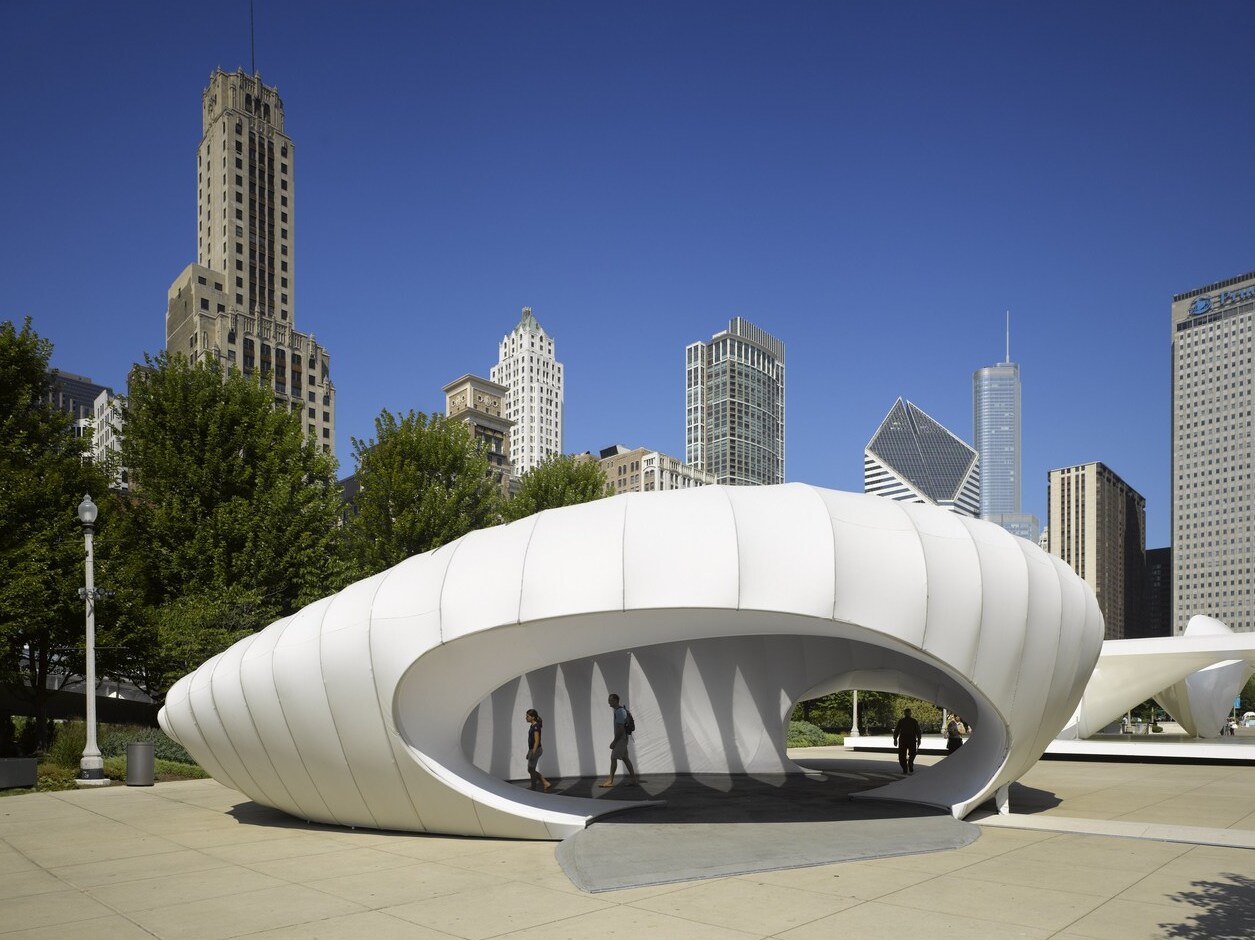

The Burnham Pavilions stand as a testament to Chicago's rich architectural legacy and cultural vibrancy. Built in 2009 to commemorate the centennial of the visionary urban plan by Daniel Burnham, these two temporary structures in Millennium Park exemplify the innovative spirit of modern architecture. Each pavilion, designed by Zaha Hadid Architects and UNStudio, reflects distinct philosophies of space and interaction, showcasing how architecture can engage the public in meaningful ways.
History and Origins Chicago's architectural journey is deeply intertwined with the ethos of urban planning set forth by Daniel Burnham in his 1909 Plan of Chicago. This ambitious blueprint aimed to transform the Windy City into a model metropolis through wide boulevards, expansive parks, and beautiful lakefronts. The Burnham Pavilions were constructed as a celebration of this legacy, marking 100 years since the plan's inception. With their unveiling in 2009, these pavilions became not just structures but a narrative of Chicago’s commitment to innovative urban design.
Art and Architecture The architectural styles of the two pavilions diverge dramatically, each showcasing the unique vision of its designer. The UNStudio pavilion is characterized by its open and transparent design, promoting visual and physical permeability. This approach invites visitors to engage with the space and each other, fostering a sense of community and interaction. In contrast, the pavilion by Zaha Hadid, often described as a colossal cocoon or pod, invites exploration. Its organic forms and fluid lines create a sense of movement, echoing Hadid's signature style that often seeks to dissolve boundaries between interior and exterior.
Both pavilions serve as canvases for various artistic installations and performances, making them dynamic components of the cultural fabric of Millennium Park. They are not merely architectural feats but also hubs for creativity and engagement, hosting numerous events throughout their existence.
Local Culture and Traditions The area surrounding the Burnham Pavilions is steeped in local traditions and cultural significance. Chicagoans celebrate its rich diversity through various festivals, including the Chicago Blues Festival and the Chicago Jazz Festival, both of which have roots in the city's rich musical heritage. Additionally, Millennium Park itself is a cultural epicenter, hosting events like Movies in the Park and the Chicago SummerDance series, which melds music, dance, and community.
During summer months, visitors can enjoy Lollapalooza, one of the largest music festivals in the United States, which draws thousands to the Grant Park area adjacent to the pavilions. This eclectic mix of cultural events reflects the vibrant spirit of Chicago.
Gastronomy A visit to Chicago would be incomplete without indulging in its renowned culinary offerings. The city's food scene is a melting pot of flavors, with staples like the Chicago-style hot dog and deep-dish pizza stealing the spotlight. Just a short stroll from the pavilions, you can find local eateries offering classic dishes that embody the city’s spirit.
For a taste of the city’s culinary innovation, consider visiting Alinea, one of the few restaurants in the country to hold three Michelin stars. The restaurant's avant-garde approach to dining reflects the same innovative spirit found in the Burnham Pavilions. Pair your meal with a local brew from one of Chicago's many craft breweries for a complete gastronomic experience.
Lesser-known Curiosities While many visitors flock to the iconic Cloud Gate (the Bean), fewer know that the Burnham Pavilions were part of a broader initiative to revitalize the area around Millennium Park. Interestingly, the pavilions were only meant to be temporary installations, yet their architectural significance has left a lasting impact on the city’s landscape. Furthermore, each pavilion incorporated sustainable design elements, including materials that minimized environmental impact, reflecting Chicago's commitment to green architecture.
Practical Visitor Information The best time to visit the Burnham Pavilions is during the warmer months, from late spring through early fall, when the park is alive with events and activities. Be sure to check the schedule for any special performances or installations that may be taking place. If you plan to explore the area, consider bringing a picnic to enjoy on the spacious grounds surrounding the pavilions.
As you wander through Millennium Park, take note of the various art installations and architectural details that make this space unique. Don’t forget to capture a few photos with the backdrop of the pavilions in the brilliant Chicago skyline.
In conclusion, the Burnham Pavilions are a captivating blend of history, art, and community spirit that embody the essence of Chicago. To ensure you experience the best of this vibrant city, consider using the Secret World app to plan a personalized AI itinerary for your visit.


