
🎄 Win a month in Italy for two — €10,000 · The Secret Italy Prize GO →
Chieti — Chieti
← Back
Historical Sites 📍 Chieti, Italy 191 views

Chieti

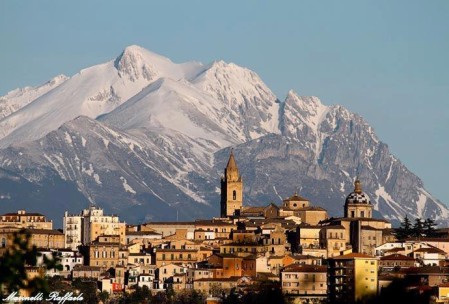
According to legend, its origins go back to the Greeks. The first century B.C. geographer Strabene himself has it descended from the Arcadians of Greece, who gave it precisely the name Tegeate in memory of the city of Tegea. But if the origins are not very clear there are numerou...

Photo · Concita M.

Chieti — Chieti, Italy.

Location
Chieti
Type
Historical Sites
Opening hours
Weather now
↗ Directions

About Chieti

Chieti - Chieti | Secret World Trip Planner

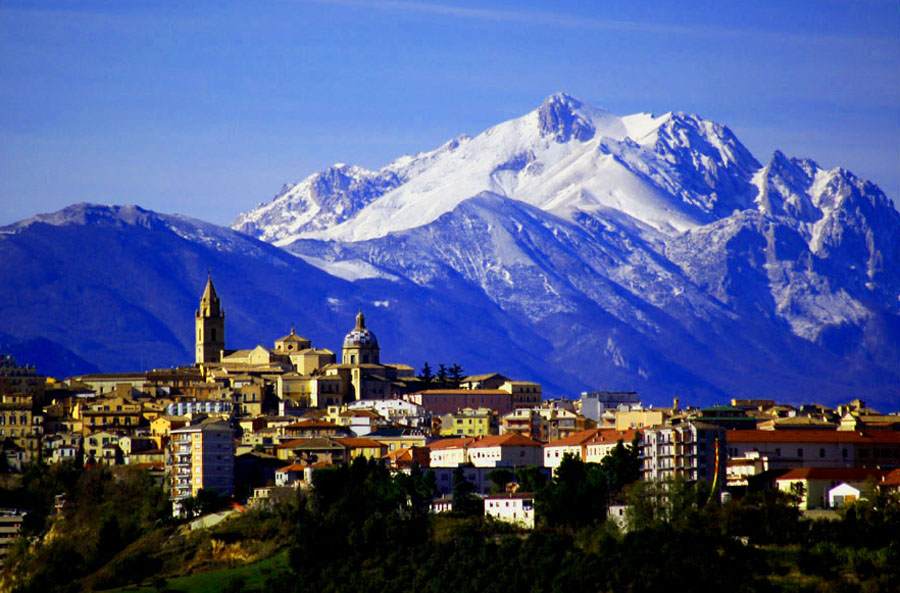
According to legend, its origins go back to the Greeks. The first century B.C. geographer Strabene himself has it descended from the Arcadians of Greece, who gave it precisely the name Tegeate in memory of the city of Tegea. But if the origins are not very clear there are numerous archaeological remains that have come to light during recent and remote excavations that confirm the opinion of those who date it back many centuries before Christ to the Marrucini, a tribe of which there is historical record only when, together with the Alarsi, the Peligni and the Frentani, was subdued by the Romans for having indirectly participated in the Samnite League against Rome. Of ancient Teate the historion sources tell us, moreover, that it participated this time with the Romans in the war against Pyrrhus, the war in Gaul, the Punic wars and the Macedonian war. In the period of the Roman Empire the city of Teate attained exceptional splendor and was enriched with monuments (the Theater, the Baths, etc.) the remains of which have come to light. It was the seat of the imperial procurator. With the advent of Christianity the noble Teate, which had given birth to men known and appreciated even in Rome, welcomed, not without contrasts, the new reality based on the word of Christ and adapted to it. In the fourth century it was the bishop and saint, Giuscino, who solidified and organized the Theatine Church. The city is recorded in the Middle Ages as being in the full enjoyment of its civil rights. In 801 it was destroyed by Pepin son of Charlemagne, but, rising from its ruins, it shone again. Around 1000 the Normans made it one of their most important centers, and later still, in the 13th, 14th and 15th centuries the Aragonese and Angevins restored it to its greatest splendor. Chieti was in fact, elevated to capital of Abruzzo Citra.
Chieti - Chieti | Secret World Trip Planner

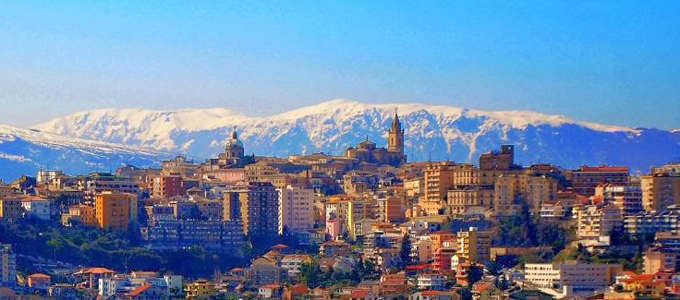
Alfonso V of Aragon favored it so much that he made it the seat of the Viceroy. In the 1500s it was elevated to the rank of metropolitan city and made the seat of the archbishopric ruled by that Giovanni Pietro Carata ch^; would later be Pope ^aolo IV. After a life characterized by a preeminent ecclesiastical influence, in the 18th century Charles III of Bourbon reconfirmed his special predilection for it until, after having manifested his opposition, at times larvae, at times manifest to the French, and his loyalty to the Bourbons, not insensitive to the .cry for freedom coming from all over Italy, he participated with his best sons .in the struggle for independence. In 1860 Victor Emmanuel II was welcomed to the city with great honors and carried in triumph.
Chieti - Chieti | Secret World Trip Planner
✦ Secret World · suggested day

A perfect day in Chieti

Start with Chieti, then continue with nearby places selected by Secret World.

  1. 01
    Morning
    Chieti
    📍 Chieti
    Start here
  2. 02
    Afternoon
    📍 0 km away
  3. 03
    Evening
    📍 0.1 km away

Collect this place

Turn places you discover into stamps in your Secret Passport.

Open Secret Passport →

Keep exploring

Frequently Asked Questions

According to legend, Chieti was founded by Arcadians from Greece who named it Tegeate in memory of the Greek city of Tegea. However, archaeological evidence suggests the city actually dates back many centuries before Christ to the Marrucini tribe, who were later subdued by the Romans.
During the Roman Empire, Teate (ancient Chieti) was enriched with important monuments including a Theater and Baths, whose remains have been discovered through excavations. The city was also the seat of the imperial procurator, reflecting its exceptional importance during this period.
After being destroyed by Pepin (son of Charlemagne) in 801, Chieti rose from its ruins and gained prominence when the Normans made it one of their most important centers around 1000. The Aragonese and Angevins later restored it to its greatest splendor in the 13th-15th centuries, eventually elevating it to capital of Abruzzo Citra.
In the fourth century, Saint Giuscino, a bishop and native of Chieti, solidified and organized the Theatine Church as Christianity took hold in the city. The city, which had previously produced men of note even in Rome, gradually adapted to Christian values during this transformative period.
Chieti reached its greatest splendor under Alfonso V of Aragon, who favored the city so much that he made it the seat of the Viceroy in the 1400s. In the 1500s, the city was elevated to the rank of metropolitan city, cementing its status as one of the most important centers in the region.

Experiences nearby · Chieti

Powered by Viator

See more on Viator.com

Secret World @php $__al = $lang ?? app()->getLocale(); @endphp @if($__al === 'ko')숨겨진 명소, 진짜 이야기 — 여행을 계획하세요 @elseif($__al === 'ja')隠れた名所とリアルな物語 — 旅を計画しよう @elseHidden places, real stories — plan your trip@endif
@if($__al === 'ko')무료 앱 시작하기@elseif($__al === 'ja')無料アプリを入手@else Get the app @endif
