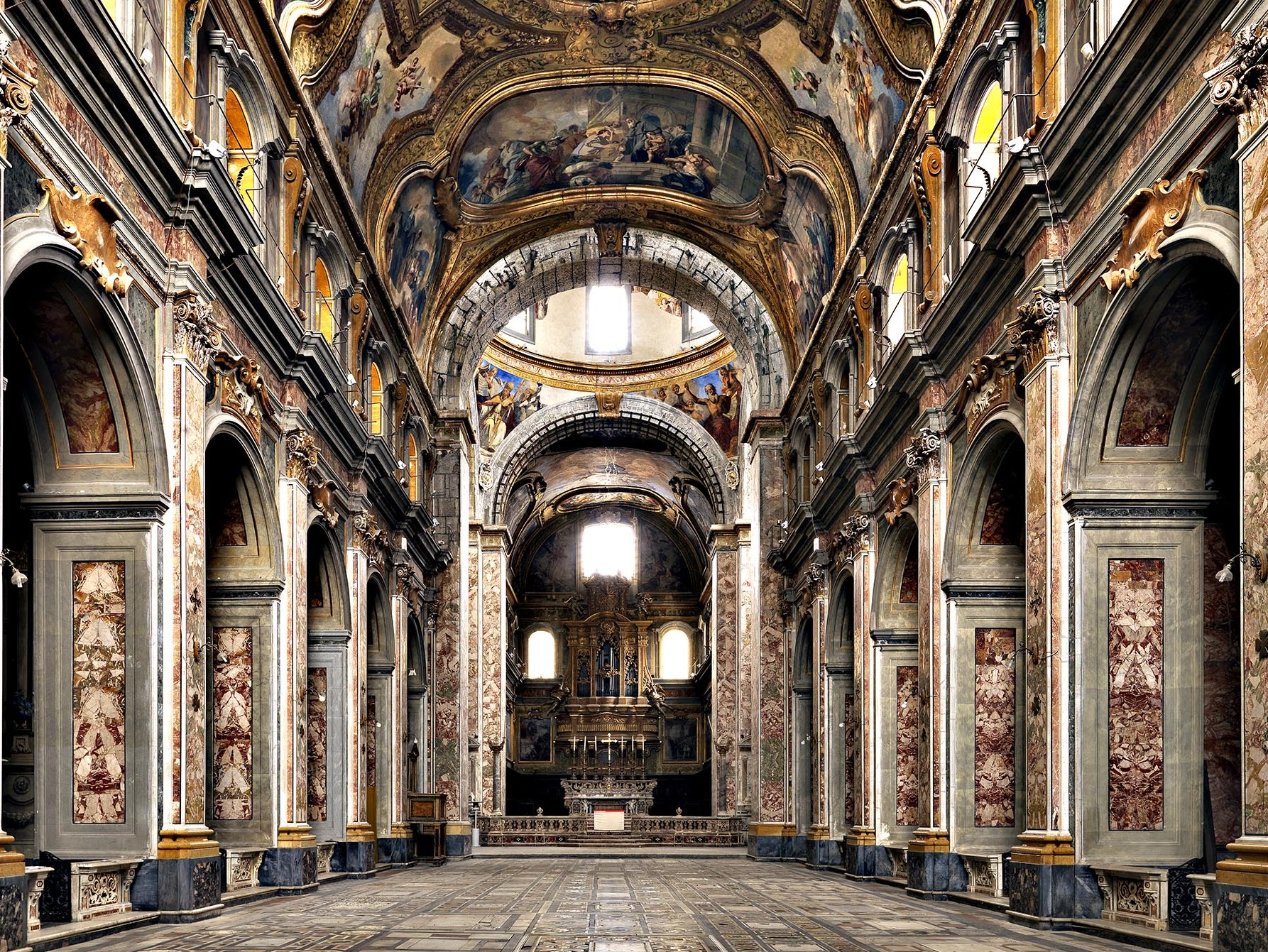

Tucked away in the vibrant heart of Naples, the Church of Saints Severino and Sossio stands as a testament to the city’s rich history and artistic heritage. Founded in the 10th century, this remarkable structure has undergone numerous transformations over the centuries, each adding layers of artistic significance and architectural beauty. The church is not only a sacred place of worship but also a treasure trove of frescoes and cosmatesque floors, making it a must-visit for art enthusiasts and history lovers alike.
### History and Origins The Church of Saints Severino and Sossio finds its roots in the 10th century, during a period of flourishing religious devotion in Naples. Originally established to honor the memory of two saints—Severino, a 5th-century hermit, and Sossio, a martyr—this church has been a spiritual center for nearly a millennium. Over the years, it has witnessed significant historical events, including the rise of the Norman and Angevine dynasties, which saw the church being retouched and embellished.
Throughout the Renaissance, the church became a focal point for artistic expression. In 1640, Cosimo Fanzago, a notable sculptor and architect, designed the magnificent altar that still captivates visitors today. The church's dome, crafted by Sigismondo Coccapani in 1561, adds to its grandeur, showcasing the architectural ingenuity of the period.
### Art and Architecture The architectural style of the Church of Saints Severino and Sossio is predominantly Baroque, characterized by its elaborate decorations and dramatic use of light. Covering an area of 374 m², the interior is adorned with exquisite frescoes from the second half of the 17th century, depicting biblical scenes and saints in vibrant colors. The walls seem to come alive with stories and emotions, inviting visitors to linger and reflect.
Among the standout features is the wooden walnut choir, designed by Benvenuto Tortelli da Brescia in 1560. This intricately crafted piece complements the monumental organ, which adds an auditory dimension to the church's beauty. The cosmatesque floors, with their stunning geometric patterns, reflect the Cosmati craftsmanship, famous in medieval Rome and adapted here to create a unique visual experience.
### Local Culture and Traditions The Church of Saints Severino and Sossio is steeped in local tradition, often serving as a venue for various ceremonies and festivals. One of the most significant events is the feast day of St. Severino, celebrated every year on October 8. The local community gathers for processions, prayers, and festivities that blend religious significance with cultural expressions, showcasing the deep-rooted connection between faith and local identity.
In addition to religious observances, the church is a gathering point for cultural events, including art exhibitions and concerts, which further enrich its role in the community. This blend of the sacred and the cultural makes the church a vibrant part of local life.
### Gastronomy No visit to Naples would be complete without indulging in its renowned gastronomy. The area surrounding the church is dotted with eateries offering local delights such as pizza Napoletana, famous for its thin crust and fresh toppings, and sfogliatella, a delicious pastry filled with ricotta and candied fruit. Visitors can also savor local wines, particularly the Falanghina and Aglianico, which pair beautifully with the rich flavors of Neapolitan cuisine. Enjoying a meal in the vicinity of the church allows for a full sensory experience, blending the flavors of Naples with its historical ambiance.
### Lesser-known Curiosities Beneath the surface of this beautiful church lies a wealth of lesser-known curiosities. Many visitors overlook the crypt, which contains fascinating relics and ancient inscriptions that tell the story of the church’s founding and its significance throughout the centuries. Additionally, the frescoes are not simply decorative; they were often used as teaching tools during a time when many could not read, making the church a center of education as much as a place of worship.
Another intriguing fact is that the church served as a burial site for prominent local figures, linking it to Naples' rich history of arts and culture. These elements add layers of meaning to a visit, inviting deeper exploration beyond the initial allure.
### Practical Visitor Information For those planning a visit to the Church of Saints Severino and Sossio, the best time to go is during weekday mornings when the church is less crowded, allowing for a more intimate experience. Consider attending a service to fully appreciate the church's atmosphere and community involvement. Take the time to examine the intricate details of the altar and the frescoes, and don’t miss the opportunity to speak with local parishioners who often share stories and insights about the church’s history.
The church is easily accessible via public transport, with nearby metro and bus stations. Ensure your camera is ready, as the stunning interior provides ample opportunities for photography.
In conclusion, the Church of Saints Severino and Sossio offers a rich tapestry of history, art, and culture that encapsulates the essence of Naples. To truly experience the hidden gems of this city, consider using the Secret World app to plan a personalized itinerary that will guide you through its many wonders.