
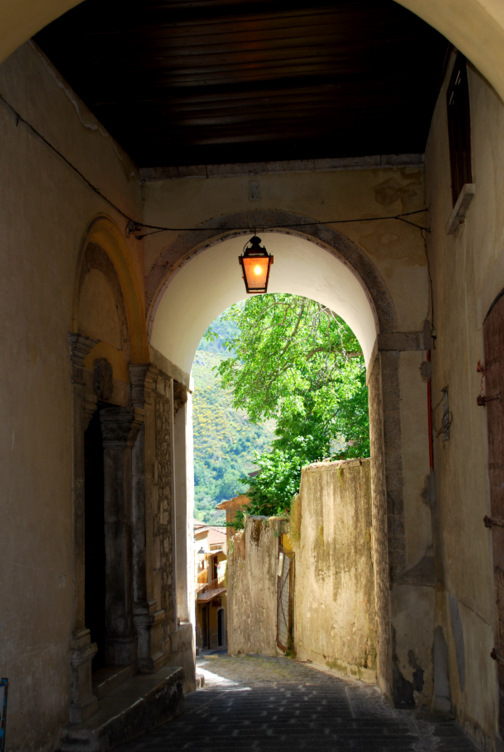

Nestled in the heart of Teggiano, the Church of Sant'Andrea stands as a testament to centuries of cultural and architectural evolution. The church’s location along the ancient decumanus route leading to the Porta dell'Annunziata marks it as a significant point in both historical and spiritual journeys.
History and Origins The origins of the Church of Sant'Andrea are steeped in legend, often said to have been built on the site of an ancient pagan temple. This suggests a long history of spiritual significance that predates the current structure, drawing in visitors intrigued by its past. The church was likely founded in the 11th century, during the Norman conquest of southern Italy, reflecting the broader shifts in religion and culture at the time. Key historical events, including visits from influential clerics and local leaders, have shaped its legacy, further entrenching it in the local narrative.
Art and Architecture Architecturally, the church displays a fascinating juxtaposition of styles. The exterior features remains from Roman times, particularly evident in the Lucanian capital that adorns its façade. Two metopes and an altar decorated with a calf's head and don garlands of flowers under the arch pay homage to its ancient roots. The interior is equally captivating, characterized by a central plan and a single room covered by a vaulted ceiling, which creates a sense of intimacy and grandeur.
Among the church's artistic treasures are two plates of considerable significance. The first, the Madonna and Child Enthroned between Saints Nicholas of Bari and Anthony of Padua, dates to 1499 and is attributed to Angiolillo Arcuccio. This piece exemplifies the transition from late Gothic to Renaissance styles, showcasing vivid colors and intricate details. The second artwork, the Madonna of Graces featuring Saint Andrew the Apostle and Saint Anthony of Padua, hails from the first half of the 16th century and is attributed to Andrea Sabatini, known as Andrea da Salerno. Both works are not only visually stunning but also encapsulate the spiritual and cultural milieu of their respective eras.
Local Culture and Traditions The culture surrounding the Church of Sant'Andrea is rich with traditions that reflect the community's deep-rooted faith. Local customs often revolve around religious festivals, with the Feast of Sant'Andrea celebrated every November 30th. This event features processions, musical performances, and communal meals that bring together residents and visitors alike. Such gatherings foster a strong sense of belonging and connection to the town's history.
Gastronomy Teggiano is not only a hub of historical intrigue but also a culinary delight. The area is known for its Cilento cuisine, characterized by fresh, local ingredients. One must try scialatielli — a type of homemade pasta often served with seafood or local vegetables. Another local specialty is the mozzarella di bufala, renowned for its creamy texture and rich flavor, best enjoyed with a drizzle of local olive oil. Pairing these dishes with a glass of Falanghina or Aglianico wine from the region elevates the gastronomic experience.
Lesser-Known Curiosities While the Church of Sant'Andrea is a well-known landmark, some visitors might overlook its intriguing details. For instance, the church's altar is said to possess miraculous properties, with local lore suggesting that those who pray sincerely here often find their wishes granted. Additionally, the church's vaulted ceiling features unique frescoes that, while less prominent than the major artworks, depict scenes from local history and legend, offering a hidden glimpse into the town's narrative.
Practical Visitor Information The best time to visit Teggiano and the Church of Sant'Andrea is during the spring and early autumn months when the weather is mild and the town is vibrant with life. It’s advisable to check local festival schedules, as visiting during these times offers a deeper cultural experience. When exploring the church, pay close attention to the intricate details of the altar and the artworks that define its character. Taking a guided tour can enrich your understanding of the church’s historical context and significance.
In planning your visit to this enchanting locale, consider using the Secret World app to craft a personalized itinerary that highlights the best of Teggiano.


