
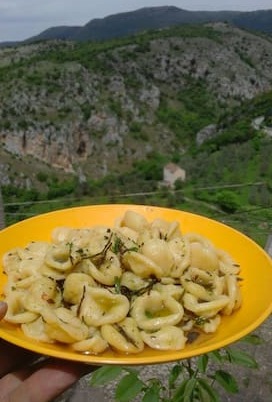

Nestled in the heart of the Campania region, Teggiano is a town that whispers tales of the past through its ancient streets and vibrant traditions. At the heart of its cultural tapestry is the intriguing Parmarieddi, palm-shaped oriels painstakingly prepared for Palm Sunday. These intricate creations are more than just visual delights; they are a testament to Teggiano's rich history and enduring spirit.
The history of Teggiano is as layered as the rolling hills that surround it. Originally known as Dianum, the town was a vital outpost in the Roman Empire, strategically positioned to guard the entrance to the Vallo di Diano. With roots stretching back to the 9th century BC, Teggiano has witnessed transformations from a Greek settlement to a thriving Roman municipium. The Middle Ages brought a new chapter, as Teggiano flourished under the Normans and later the Angevins, becoming a critical center for trade and culture in Southern Italy.
Art and architecture in Teggiano offer a window into its storied past. The town is a treasure trove of medieval architecture, with the Castello Macchiaroli standing as a formidable sentinel over time. This 13th-century fortress, with its robust towers and commanding walls, was once a stronghold for the Sanseverino family, a testament to the town's strategic importance. The Cathedral of Santa Maria Maggiore, a masterpiece of Gothic architecture, houses exquisite frescoes and a stunning Romanesque portal, drawing art enthusiasts from near and far.
Teggiano is not just defined by its past; it is brought to life by its local culture and traditions. The Parmarieddi are a unique expression of this culture, crafted from palm fronds and woven into intricate designs for Palm Sunday. This custom, deeply rooted in the town's religious heritage, is a visual spectacle that symbolizes peace and victory, resonating with the town's resilient spirit. Each spring, Teggiano hosts the Feast of San Cono, a vibrant celebration honoring its patron saint with processions, music, and traditional dances that illuminate the town's enduring devotion.
Gastronomy in Teggiano is a rich blend of simple ingredients and bold flavors, reflecting the agricultural bounty of the region. Visitors can savor cavatelli, a handmade pasta often served with robust tomato sauces or hearty ragù. The local pecorino cheese, crafted from sheep's milk, offers a creamy and tangy complement to any meal. No visit is complete without sampling soppressata di Teggiano, a cured meat that embodies the rustic charm of the area. Each dish tells a story of the land and its people, offering a taste of Teggiano's culinary heritage.
For those who venture beyond the well-trodden paths, Teggiano reveals lesser-known curiosities. The town's medieval maze-like alleys are dotted with hidden chapels and ancient cisterns, providing a glimpse into everyday life of centuries past. An intriguing feature is the Museo Diocesano, where centuries-old liturgical artifacts and medieval manuscripts are preserved, chronicling the town's religious and artistic evolution.
Practical visitor information ensures a rewarding experience in Teggiano. The best time to visit is during the spring, when the town comes alive with festivals and the rolling hills are awash with wildflowers. Travelers are encouraged to explore on foot, allowing for intimate encounters with the town's architectural gems and picturesque vistas. It's advisable to engage with locals, who are often eager to share legends and personal stories, enriching the visit with insights that transcend guidebooks.
In Teggiano, history is not just preserved; it is lived and celebrated. From the delicate Parmarieddi to the robust flavors of its cuisine, every aspect of this enchanting town invites exploration and admiration. As you wander its ancient streets, let the whispers of the past and the vibrancy of the present guide your journey through this timeless Italian jewel.


