
← Back

Church of Santa Maria delle Grazie

Piazza di Santa Maria delle Grazie, 20123 Milano, Italia ★★★★☆ 135 views
Loris Thor
Milano
🏆 AI Trip Planner 2026

Get the free app

Discover the best of Milano with Secret World — the AI trip planner with 1M+ destinations. Get personalized itineraries, hidden gems and local tips. Free on iOS & Android.

🧠 AI Itineraries 🎒 Trip Toolkit 🎮 KnowWhere Game 🎧 Audio Guides 📹 Videos
Scan to download iOS / Android
Scan for AppGallery Huawei users

About Church of Santa Maria delle Grazie

Church of Santa Maria delle Grazie - Milano | Secret World Trip Planner

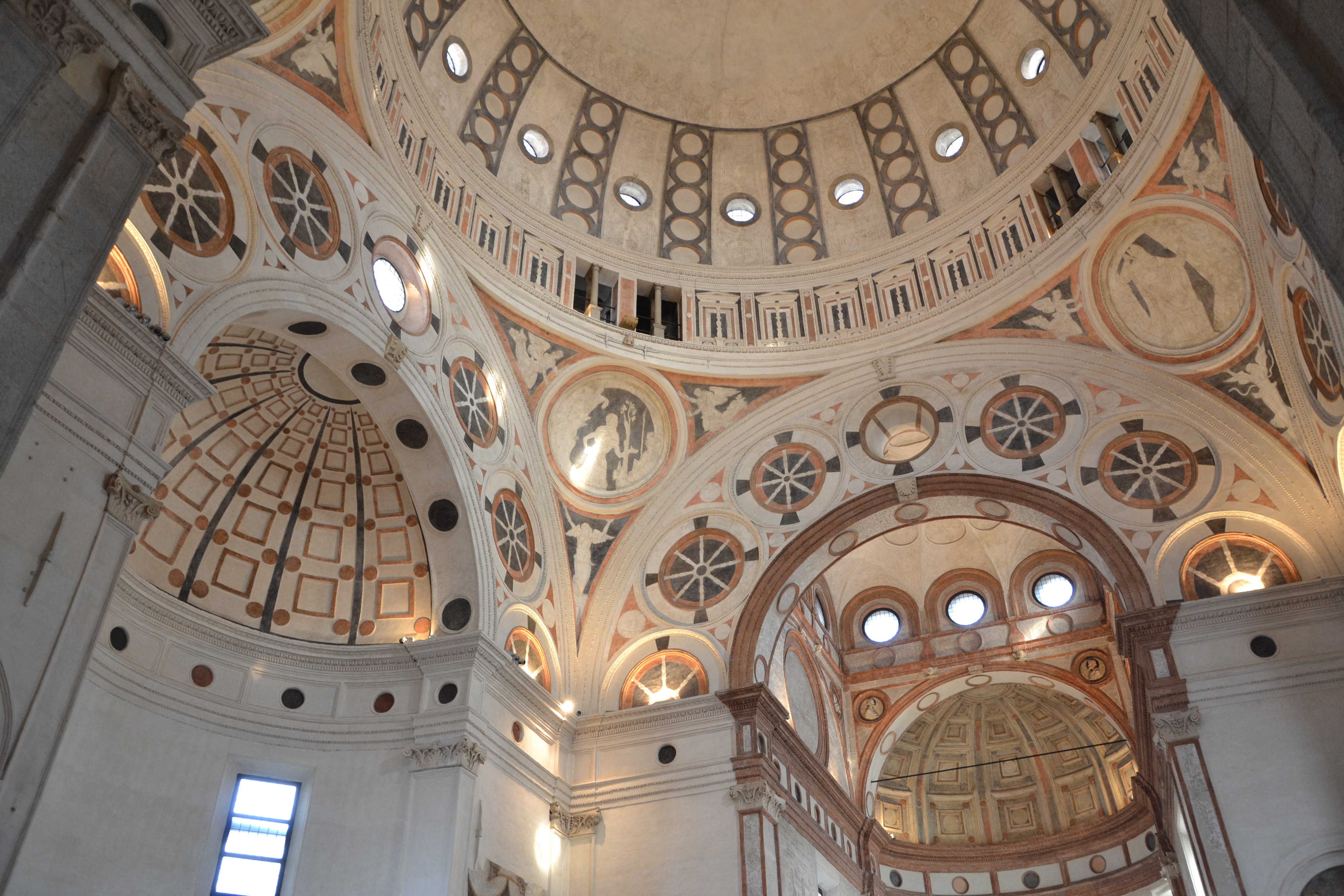
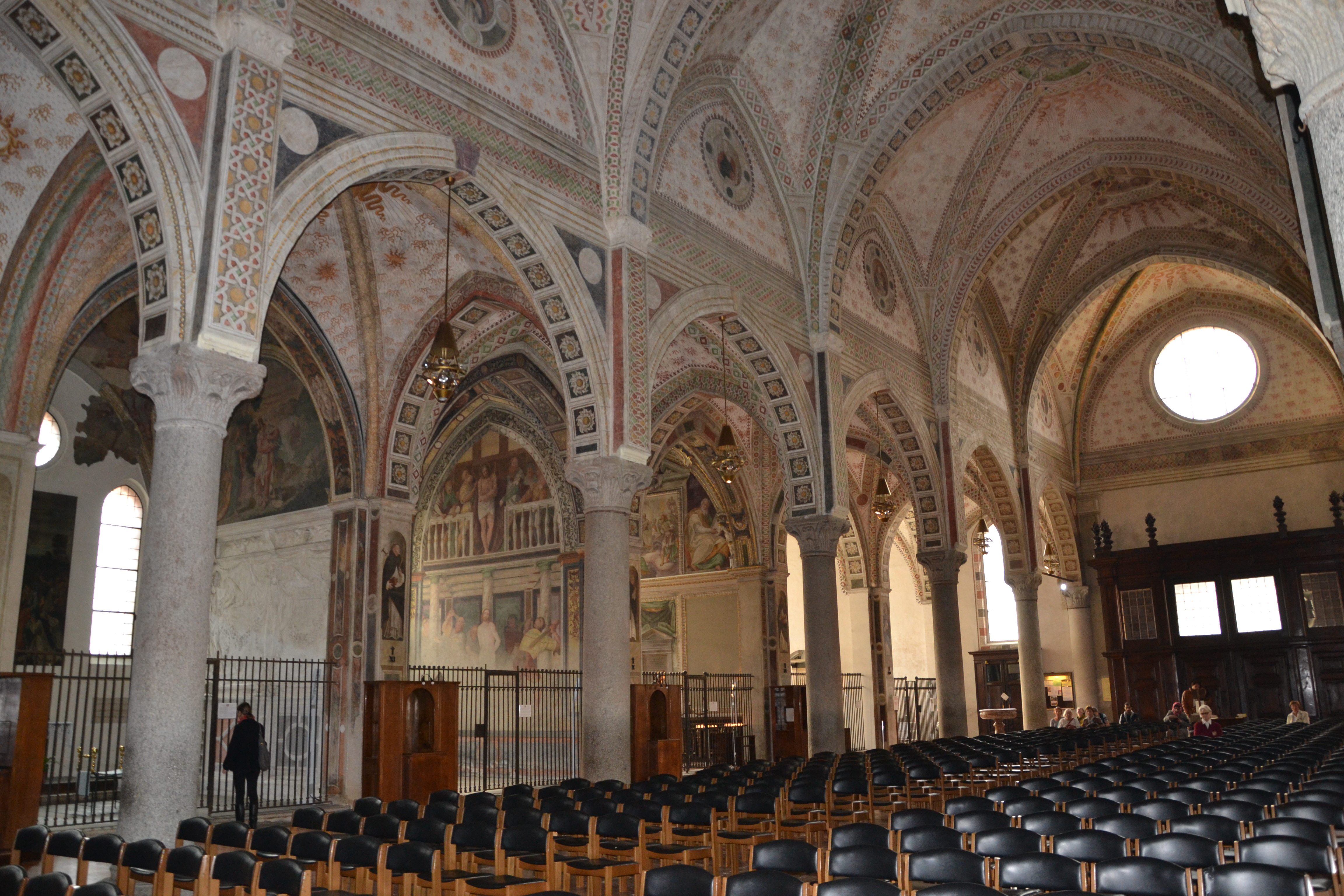
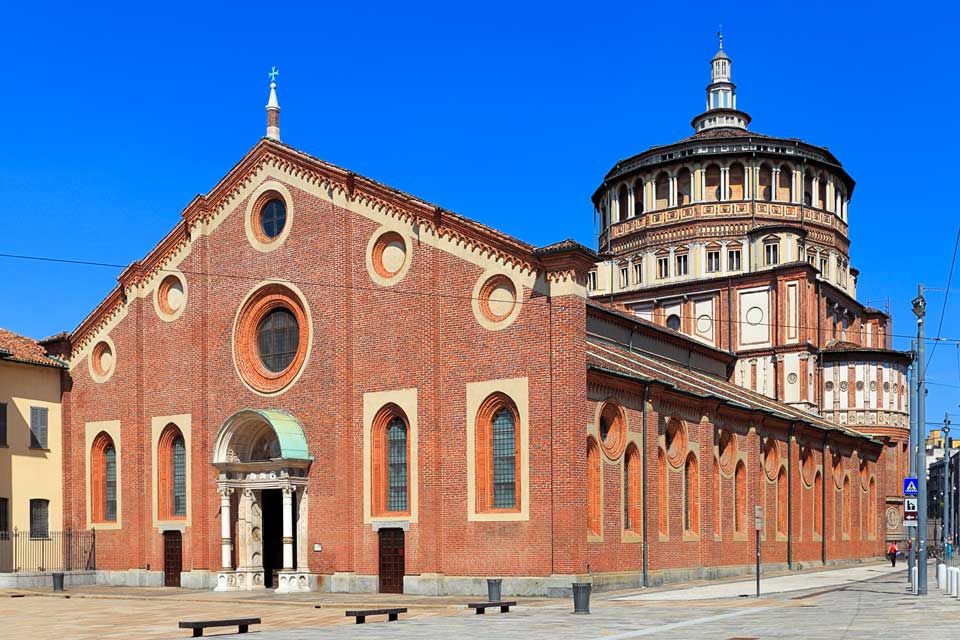
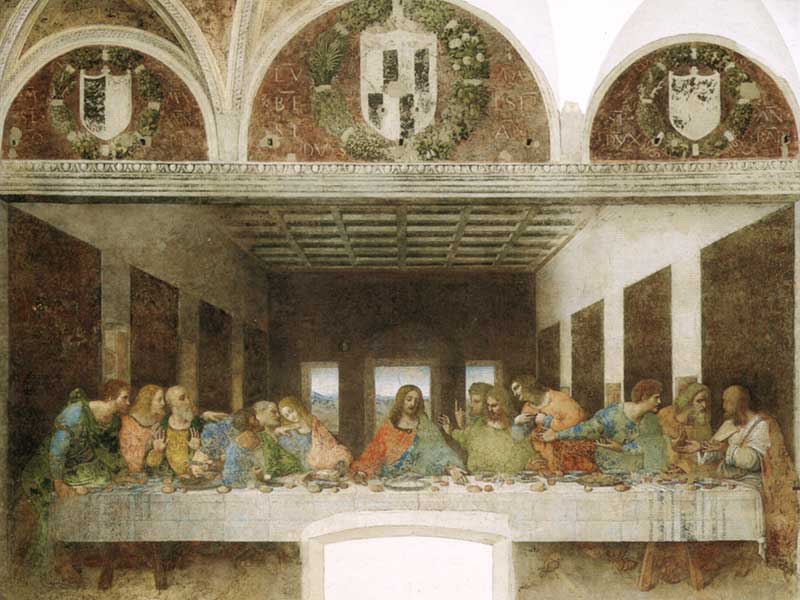
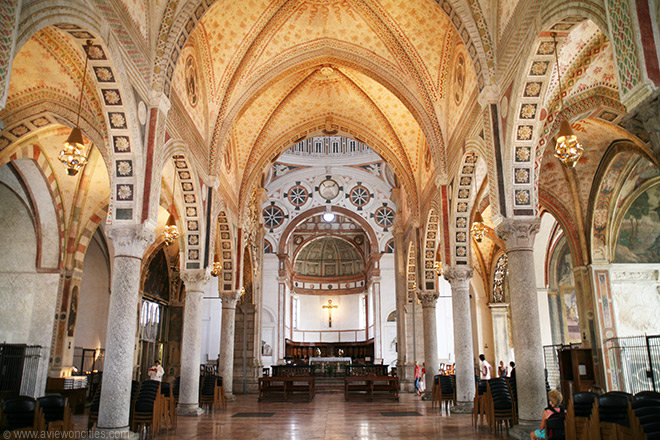
The church was included in 1980 in the UNESCO World Heritage List because it is one of the greatest examples of Renaissance art. Two immortal signatures have consigned this temple, which stands in the square of the same name, to the history of civilization: Donato Bramante and Leonardo da Vinci. The church was built between 1466 and 1490 on a project by the architect Guiniforte Solari. However, a few years later, Ludovico il Moro called upon Bramante, who rebuilt the apsidal area, leaving the mark of his art in the grandiose Tribuna, an example of Renaissance spatial architecture. And it was again the great Urbino architect who realized two other jewels of the church: the Cloister and the Old Sacristy. In the refectory of the ancient Dominican convent Leonardo painted, on one of the walls, the famous "Supper", begun in 1494 and finished about two years later. Leonardo did not paint it "a fresco", as was usual, but on a dry wall, using a special tempera (which unfortunately still defies the best restoration techniques today): in this way he was able to retouch the painting and adapt the drawing, right up to the end, to the tumultuous formation of the image in his mind and to the long pauses that marked the times of his work. A little more than twenty years after its completion, the painting was already in a precarious condition, which continued to deteriorate and gave rise to a long series of recovery interventions over the centuries. On the opposite wall, there is the Crucifixion (1495) by Giovanni Donato Montorfano.
Church of Santa Maria delle Grazie - Milano | Secret World Trip Planner
🗺 AI Trip Planner 2026

Plan your visit to Milano

Suggested itinerary near Church of Santa Maria delle Grazie

MAJ+
500.000+ travelers worldwide
  1. 🌅
    Morning
    Church of Santa Maria delle Grazie
    📍 Milano
  2. ☀️
    Afternoon
    Last Supper or Last Supper by Leonardo Da Vinci
    📍 0 km · Milano
  3. 🌆
    Evening
    Milan | National Museum of Science and Technology Leonardo da Vinci
    📍 0.5 km · Milano

Buy Unique Travel Experiences

Powered by Viator

See more on Viator.com

Explore nearby · Milano

Frequently Asked Questions

The church was inscribed in the UNESCO World Heritage List in 1980 because it is one of the greatest examples of Renaissance art. It was shaped by two immortal figures in history: the architect Donato Bramante and Leonardo da Vinci, making it a masterpiece of Renaissance civilization.
Leonardo's famous 'Supper' is painted on a wall in the refectory of the ancient Dominican convent attached to the church, created between 1494 and 1496. What makes it unique is that Leonardo didn't use the traditional fresco technique, but instead painted on a dry wall with special tempera, allowing him to retouch and modify the work throughout his creative process.
The church was initially built between 1466 and 1490 by architect Guiniforte Solari, but Donato Bramante later redesigned the apsidal area and created the grandiose Tribuna, the Cloister, and the Old Sacristy. Bramante's contributions exemplify Renaissance spatial architecture and left an indelible mark on the church's design.
On the opposite wall of the refectory, you can see the Crucifixion painted by Giovanni Donato Montorfano in 1495. Additionally, the church features Bramante's architectural jewels including the grandiose Tribuna, the Cloister, and the Old Sacristy, all representing Renaissance excellence.
The painting was already in precarious condition just over twenty years after its completion and has continued to deteriorate over centuries. Leonardo's experimental technique of painting on dry wall with special tempera, while allowing him creative flexibility, has proven extremely difficult to restore and continues to challenge conservators today.