
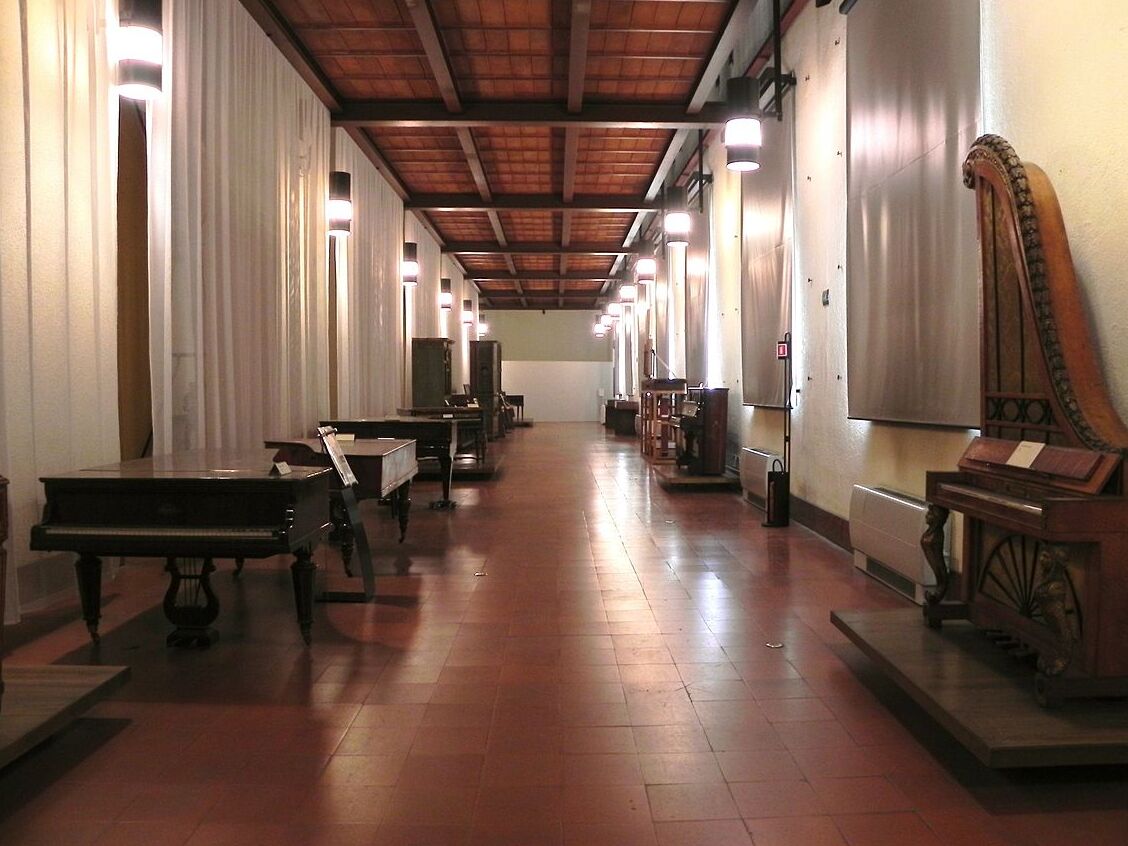

Nestled within the historic Castello Sforzesco in Milan, the Museum of Musical Instruments is a treasure trove that resonates with the echoes of centuries past. As you step into this captivating space, you are not merely entering a museum; you are embarking on a journey through the rich tapestry of musical history, spanning from the fifteenth century B.C. to the twentieth century.

The origins of the museum trace back to 1958, when the municipal administration purchased the impressive collection of the Cremasque master Natale Gallini. His collection, which included an array of instruments, was complemented by smaller groups already owned by the municipality. Initially housed in Palazzo Morando, the museum quickly outgrew its first location, leading to its relocation to the Sforza Castle in 1963. This grand castle, a symbol of Milan’s historical and cultural heritage, provided an ideal backdrop for the instruments that reflect the city’s musical evolution.
The architecture of the Castello Sforzesco itself is a sight to behold. Originally built in the 15th century, this fortress showcases the Renaissance style, characterized by its robust stone walls and elegant towers. Within the museum, the instruments are displayed in a manner that encourages visitors to appreciate their craftsmanship and historical significance. Each display is thoughtfully arranged, allowing for a deep appreciation of the intricate designs and the stories behind the instruments.
Highlighting the museum's artistic significance, one cannot overlook the spinet believed to have been played by none other than Wolfgang Amadeus Mozart in the salons of Milan. This connection to the legendary composer adds a layer of intrigue to the collection, making it a must-see for music enthusiasts. The museum houses over 1,000 instruments, including violins, harpsichords, and rare woodwinds, each telling its own story and reflecting the culture of its time.
Local culture is intricately woven into the fabric of Milanese life. The city is known for its vibrant music scene, from classical to contemporary genres. Events such as the Milan Music Week celebrate this musical heritage, showcasing local talent and historical influences. Festivals often feature performances that highlight traditional instruments, allowing visitors to experience the sounds that have shaped Milan's cultural landscape.
When visiting the museum, one should also indulge in Milan's gastronomy. The city is renowned for its culinary delights, such as risotto alla Milanese, a saffron-infused rice dish that warms the soul, and cotoletta alla Milanese, a breaded veal cutlet that is a staple in local trattorias. Pair your meal with a glass of Franciacorta, a sparkling wine from the nearby region, to elevate your dining experience.
As you explore the museum, keep an eye out for lesser-known curiosities that make this place unique. For instance, among the collection is a fortepiano that belonged to the celebrated composer Giuseppe Verdi, who was pivotal in shaping Italian opera. Additionally, the museum often features temporary exhibitions that delve into specific themes or instruments, providing fresh insights even for repeat visitors.
The best time to visit the Museum of Musical Instruments is during the weekdays, especially in the early hours, when the crowds are thinner, allowing for a more intimate experience. Consider taking a guided tour to gain deeper insights into the instruments and their historical contexts. Don’t forget to check the museum’s schedule for special events or temporary exhibitions that can enhance your visit.
With so much to explore in this hidden gem of Milan, every corner of the museum invites you to linger a little longer. Whether you’re a music aficionado or a curious traveler, the Museum of Musical Instruments offers a unique glimpse into the artistry and history of sound.
To maximize your Milan experience, consider using the Secret World app to create a personalized itinerary tailored to your interests.


