
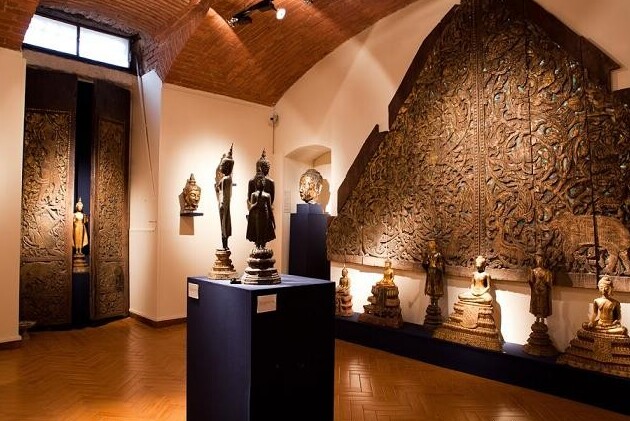

Nestled in the vibrant heart of Milan, just a short stroll from the majestic Castello Sforzesco, the Museum of Art and Science offers a captivating journey through the realms of creativity and inquiry. Founded in 1990 by Gottfried Matthaes, a German physicist with a profound appreciation for art, this museum stands as a unique testament to the intersection of science and artistic authenticity.

The museum's origins are deeply rooted in Matthaes's vision of educating the public about the importance of recognizing authenticity in art. This pioneering concept led to the establishment of an educational path that distinguishes the museum from others. It encompasses a variety of themes—each section dedicated to a specific material, from canvas painting and wood to intricate pottery and antique furniture. Visitors can engage with hands-on exhibits, utilizing microscopes and magnifying glasses to delve into the characteristics that define authentic artworks. The journey culminates in the tapestry room, where a stunning array of carpets and tapestries showcases the craftsmanship from various cultures.
Architecturally, the Museum of Art and Science reflects a blend of modern design and functional elegance. The interior spaces are thoughtfully organized, allowing for an intuitive flow as visitors navigate through the curated collections. The light-filled galleries create an inviting atmosphere, enhancing the viewing experience of the museum’s extensive holdings. Among its treasures, the museum boasts significant collections of Buddhist Art, featuring remarkable pieces from Thailand, Burma, China, and Japan. The intricate details of these artworks offer insight into spiritual narratives and artistic traditions that span centuries.
Moreover, the museum showcases one of Italy's most comprehensive collections of African Art, with over 500 objects representing diverse ethnic groups from Black Africa. This collection not only highlights the aesthetic values of African cultures but also fosters a deeper understanding of their historical significance. The museum also honors the legacy of Leonardo da Vinci with a dedicated educational section, celebrating his ingenuity and contributions to both art and science.
The local culture of Milan is rich and diverse, deeply intertwined with its historical heritage and contemporary vibrancy. The city is renowned for its fashion and design, yet it also hosts various cultural festivals, such as the Milano Design Week and the Milan Film Festival, which draw international crowds. These events reflect the city's commitment to creativity and innovation, making it a cultural hub in Italy.
When it comes to gastronomy, Milan is a feast for the senses. Traditional dishes like Risotto alla Milanese, a creamy saffron-infused rice dish, and Ossobuco, braised veal shanks served with gremolata, are staples that embody the region's culinary heritage. Pairing these dishes with a glass of Franciacorta, a sparkling wine from the nearby region, completes the gastronomic experience.
For those who believe they know all there is to know about Milan, the Museum of Art and Science holds hidden gems. One lesser-known curiosity is the museum’s commitment to multilingual education, featuring explanatory panels in six languages. This international approach not only caters to diverse visitors but also emphasizes the museum’s mission to bridge cultures through art and science.
Another surprising detail is the museum's interactive approach to education, allowing visitors to engage with the artworks in a tactile way. This hands-on experience demystifies the often-intimidating world of art appreciation, making it accessible to all. Many visitors leave with newfound knowledge not just of art, but of the meticulous processes behind its creation and preservation.
The best time to visit the Museum of Art and Science is during the spring and fall months, when Milan's weather is mild and the city's cultural calendar is bustling. To make the most of your visit, consider joining one of the guided tours, which provide deeper insights into the exhibits and the stories behind the artworks. Don't forget to allocate time to explore the museum shop, where unique art-inspired souvenirs await.
As you plan your visit to this remarkable institution, consider exploring the surrounding areas, where the vibrancy of Milan's streets and local cafes can enhance your experience. From the historical Castello Sforzesco to the lively Navigli District, there's much to discover in this dynamic city.
To fully immerse yourself in the wonders of Milan, using the Secret World app can help you craft a personalized AI itinerary tailored to your interests.


