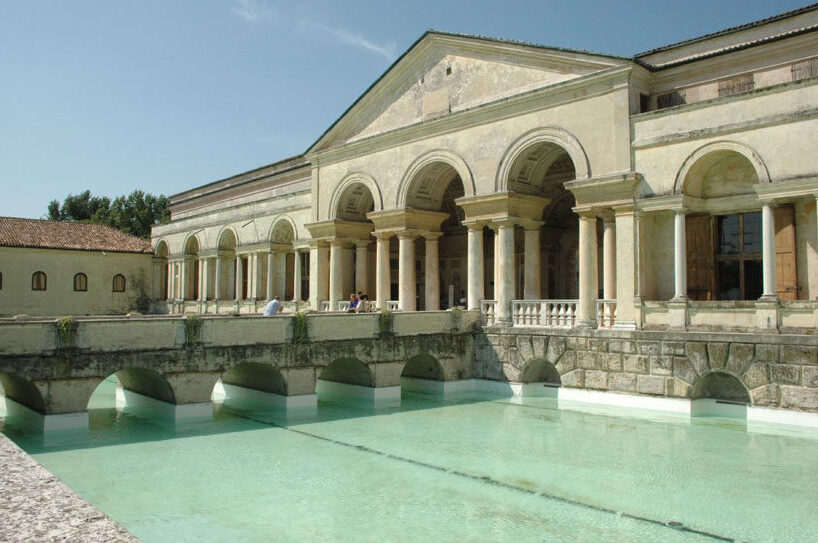

Nestled in the enchanting city of Mantova, the Civic Museum of Palazzo Te is a treasure trove of art and history that beckons visitors with its rich tapestry of collections and stunning architecture. This museum, housed in the magnificent Palazzo Te, is a testament to the grandeur of the Gonzaga dynasty and the artistic movements that flourished in this Italian gem.
### History and Origins
The Palazzo Te was commissioned in the early 16th century by Federico II Gonzaga, the Duke of Mantua, as a suburban villa and pleasure palace. Designed by the renowned architect Guilio Romano, it was completed in 1534 and served as a retreat for the Gonzaga family, showcasing their power and influence. The palace became a hub of cultural activities, hosting illustrious guests and grand celebrations during the height of the Gonzaga reign, which lasted from 1328 to 1707. Following the decline of the Gonzaga dynasty, the building fell into disrepair, but its cultural significance was revived in the 19th century when it was transformed into a museum.
### Art and Architecture
The architectural style of Palazzo Te is a stunning example of Mannerism, characterized by its harmonious proportions and elaborate decorations. The interiors are adorned with intricate frescoes by Guilio Romano, particularly the Room of the Giants, which depicts the mythological battle between the giants and the gods. Visitors are often captivated by the illusionistic ceiling that creates an enchanting sense of depth and movement.
The museum's collections are equally impressive. The Gonzaga Section showcases a rich array of artifacts from the Gonzaga era, including a Numismatic Collection with 595 unique coins, as well as weights and measures that illustrate the economic life of Mantua. The Donation "Arnoldo Mondadori" features 32 exquisite paintings by Federico Zandomeneghi and Armando Spadini, reflecting the evolution of Italian art from the 19th to early 20th centuries.
The museum also houses the Egyptian Collection donated by Giuseppe Acerbi, filled with 500 pieces of archaeological significance, including artifacts from the era of the pharaohs, and the Mesopotamian Collection of Ugo Sissa, which spans centuries of ancient art. Each collection tells a story of exploration and cultural exchange, illustrating Mantua's historical connections beyond its borders.
### Local Culture and Traditions
Mantova is steeped in tradition, with vibrant festivals that celebrate its rich history. One of the most notable events is the Festivaletteratura, an annual literary festival that attracts authors and readers from around the world, celebrating the written word in various forms. The festival transforms the city into a bustling hub of discussions, workshops, and book signings, offering visitors a chance to engage with contemporary literature amidst the backdrop of historic sites.
The city is also known for its traditional crafts, including handmade lace and ceramics, which reflect the artistic heritage of Mantova. Locals take pride in their customs, such as the annual Palio di San Giorgio, a historical reenactment that showcases the city's medieval past through parades, games, and competitions.
### Gastronomy
No visit to Mantova would be complete without indulging in its delectable cuisine. The region is famous for dishes like tortelli di zucca, a pumpkin-filled pasta seasoned with sage and butter, and risotto alla pilota, a hearty rice dish made with sausage and seasoned with local herbs. The city also boasts a variety of local wines, such as Lugana and Lambrusco, which perfectly complement the rich flavors of Mantuan dishes.
For a truly local experience, head to one of the historic osterie where you can savor traditional recipes passed down through generations, paired with the warmth and hospitality of Mantova's residents.
### Lesser-Known Curiosities
While many tourists flock to the more famous attractions, a few hidden details about Palazzo Te often go unnoticed. For instance, the Room of the Horses features stunning frescoes that depict horses in various poses, symbolizing the power and nobility of the Gonzaga family. Additionally, the palace's gardens, a serene oasis filled with lush greenery and classical statues, offer a tranquil escape and a glimpse into the leisure pursuits of the Gonzagas.
Another fascinating tidbit is that the palace was the site of the infamous “Affair of the Horse,” where a horse was reportedly hidden within the palace walls during a political scandal, showcasing the intrigue and drama of court life in Renaissance Mantua.
### Practical Visitor Information
The best time to visit the Civic Museum of Palazzo Te is during the spring and fall months when the weather is mild and the gardens are in full bloom. Expect to spend at least a couple of hours exploring the collections and soaking in the architectural beauty of the palace.
When visiting, be sure to look for the Room of the Giants for its breathtaking frescoes and the Gonzaga Section for insight into the city's historical legacy. Consider joining a guided tour to gain deeper knowledge about the artworks and their significance.
With its stunning collections and rich history, the Civic Museum of Palazzo Te is a must-visit destination in Mantova, offering a unique window into the past.
For a beautifully curated experience, consider using the Secret World app to create a personalized itinerary for your visit to Mantova.
