
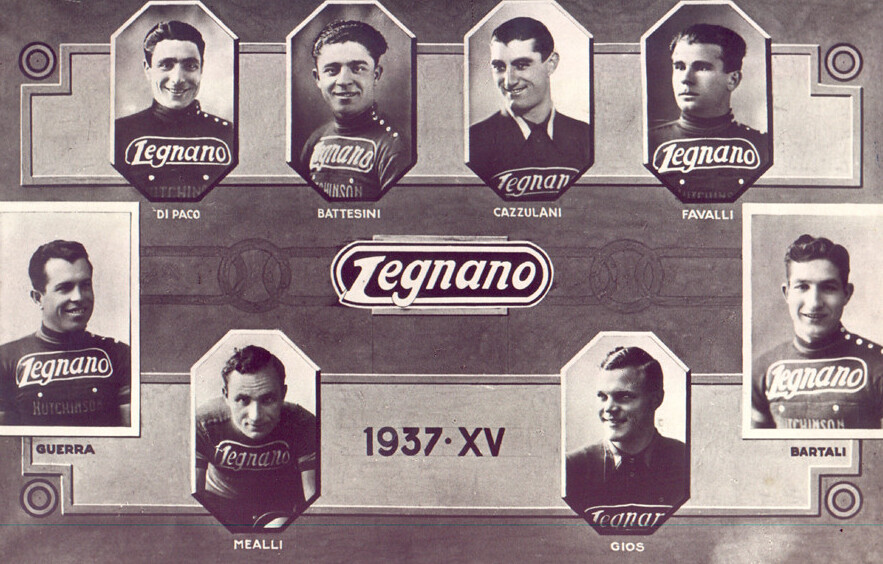

Nestled in the heart of Mantova, Italy, the Learco Guerra Cycling Museum—affectionately known as the Steel Horse—is a treasure trove for cycling enthusiasts and history buffs alike. This museum not only celebrates the legacy of one of Italy’s most illustrious cyclists but also encapsulates the spirit of a sport that is deeply woven into the fabric of Italian culture.
History and Origins
The museum is dedicated to Learco Guerra, born in 1908 in Luzzara, who rose to fame in the early 20th century. His remarkable career began in the late 1920s when he became a dominant force in competitive cycling. Guerra was the first wearer of the pink jersey in the Giro d'Italia, having donned it in 1931, the same year he secured the World Championship title in Copenhagen. This pivotal moment in cycling history marked Guerra as an iconic figure, with his legacy further solidified by his five consecutive Italian titles from 1930 to 1934 and his significant achievements in the Tour de France.
After retiring from competitive cycling, Guerra transitioned into sports management and industrial production, launching his own line of bicycles in 1947. His famed bike, the Maino, affectionately referred to as his "steel horse," symbolized his triumphs, including victories in the prestigious Milano-Sanremo in 1933 and the Giro d'Italia in 1934. The museum not only houses Guerra's memorabilia but also showcases the evolution of cycling through the decades.
Art and Architecture
Housed in a charming structure that reflects the rustic architectural style typical of the Lombardy region, the museum's design harmonizes with Mantova's rich historical landscape. The building's modest façade invites visitors, while the interior is meticulously organized to highlight Guerra's achievements.
Among the displays, visitors will find the first pink jersey—a striking reminder of the race's storied past—alongside Guerra's original bicycles, which serve as both art and artifacts of sporting excellence. The museum is a blend of history and artistry, celebrating not just Guerra's legacy but the aesthetic of cycling itself.
Local Culture and Traditions
Mantova is renowned for its deep-rooted traditions, many of which are intertwined with the cycling culture. The city hosts various cycling events throughout the year, attracting both amateur and professional riders. The Giro d'Italia, a highlight of the Italian cycling calendar, often passes through Mantova, allowing local residents to celebrate their rich cycling heritage.
In addition to cycling, Mantova’s cultural tapestry is vibrant with celebrations such as the Festivaletteratura, an annual literary festival that draws authors and readers from around the globe. This festival, along with other local events, underscores the city’s commitment to preserving its cultural identity, much like Guerra preserved the legacy of cycling through his contributions.
Gastronomy
No visit to Mantova is complete without indulging in its gastronomic delights. The region is famous for its tortelli di zucca, a pumpkin-filled pasta, and risotto alla pilota, made with sausage and served in a rich broth. These dishes reflect the agricultural bounty of the area, with ingredients sourced from the surrounding countryside.
Pair these culinary delights with a glass of Lambrusco, a sparkling red wine that perfectly complements the local cuisine. The rich flavors of Mantova’s food are as vibrant as its cycling culture, making for a complete sensory experience.
Lesser-Known Curiosities
While many visitors flock to see the museum's crowning jewel—the pink jersey—there are hidden gems within its walls. One unique aspect is the tribute to other local cycling legends and the evolution of bicycle technology. The museum showcases unique bicycles from various eras, illustrating how design and materials have transformed cycling over the years.
Moreover, Guerra's influence extends beyond the museum; he played a crucial role in promoting cycling in Italy, advocating for better cycling infrastructure and encouraging youth participation in the sport, a legacy that continues to inspire today.
Practical Visitor Information
The Learco Guerra Cycling Museum is accessible year-round, but the best time to visit is during the spring and early summer months when cycling events are in full swing. The museum offers group visits even on days when it is typically closed, making it easier for cycling clubs and enthusiasts to explore Guerra's legacy.
When planning your visit, be sure to reach out to the Automobile Club Mantova at +39 0376 325691 for arrangements. Additionally, take time to explore the picturesque streets of Mantova, where the history of cycling blends seamlessly with the city’s Renaissance charm.
As you delve into the world of Learco Guerra, you’ll find not just a celebration of cycling, but a reflection of Italian passion and perseverance. To enrich your experience in Mantova, consider using the Secret World app to create a personalized itinerary that captures the essence of this captivating city.


