
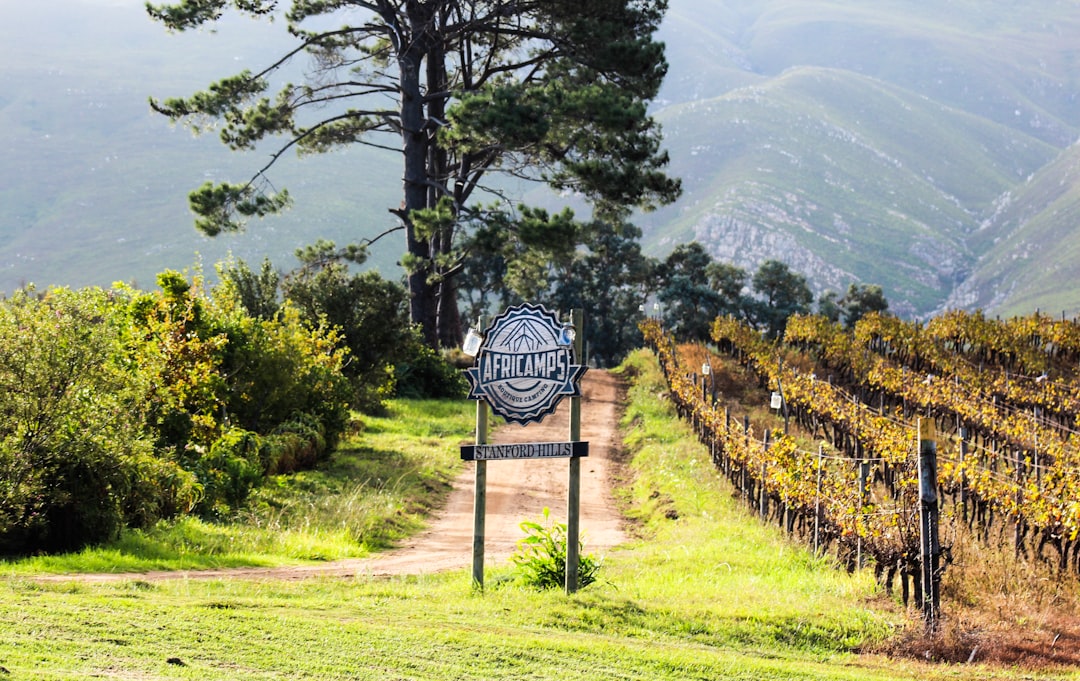

The Ramisco vines sink their roots directly into the sand. There is no rootstock, there is no layer of clay interposed: only roots that descend for meters in search of water, in soils that phylloxera never managed to colonize because the insect does not survive in the coastal dunes of the Atlantic. This is the paradox of Colares, one of the smallest and oldest wine regions in Portugal, where pre-phylloxera vines still survive today as living relics of a wine Europe that elsewhere disappeared in the second half of the nineteenth century.
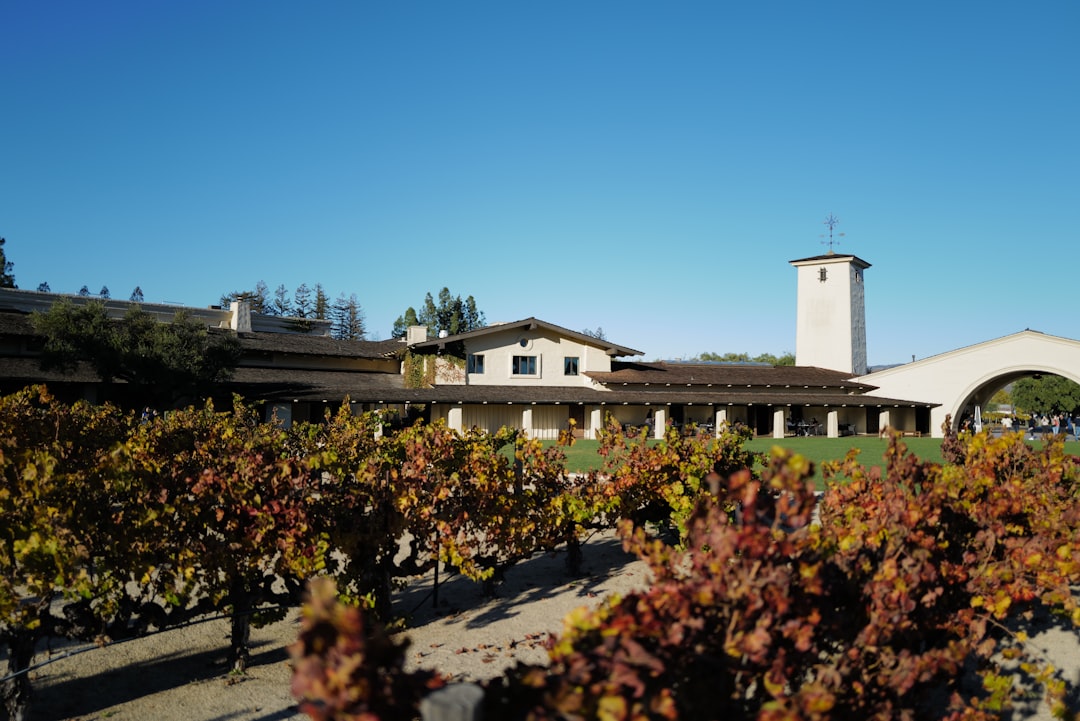
The region is located about 40 kilometers west of Lisbon, on the Sintra promontory, where the ocean imposes its character directly: salty wind, morning fog, temperatures that rarely exceed 25 degrees in summer. In this context, the Adega Regional de Colares, founded in 1931 as a cooperative of local producers, represents the institutional heart of the DOC Colares designation and the main reference point for those who want to understand what it really means to cultivate vines in such extreme conditions.
The Ramisco and the terroir of the Atlantic dunes
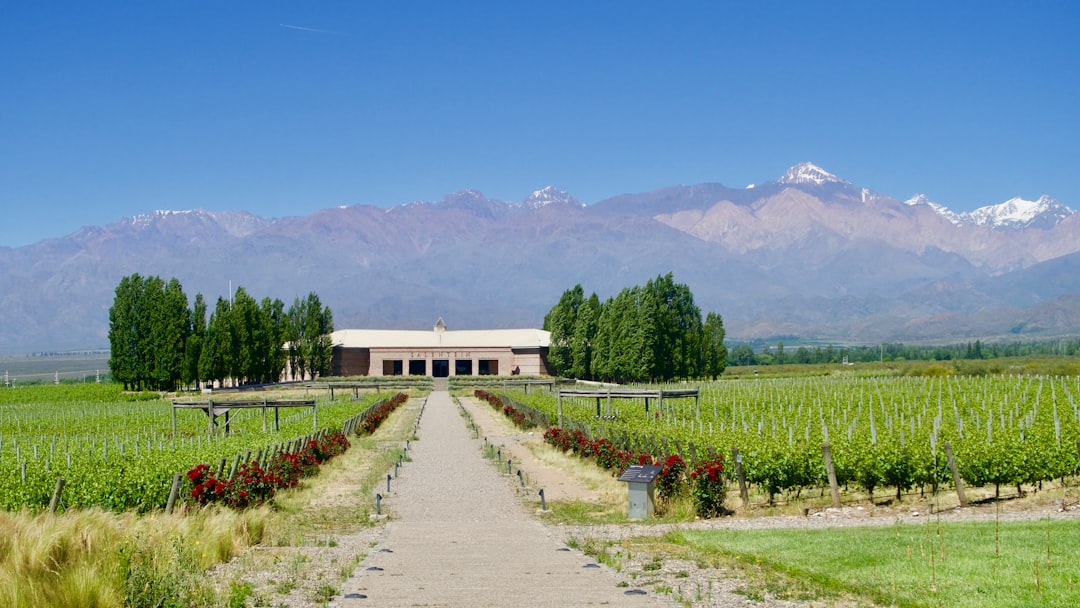
The indigenous grape variety Ramisco is almost unknown outside this territory. It produces black-skinned grapes with thick skins, rich in tannins, which give structured and long-lived wines. The color is often lighter than one would expect from a tannic red, with garnet hues that tend towards brick with aging. On the nose, notes of dried red fruit, sea herbs, and a salinity that is not a rhetorical artifice but a perceivable, almost physical trait emerge.
The sandy soil that characterizes the vineyards closest to the ocean requires particular cultivation techniques: the winemakers dig deep trenches to plant the cuttings, protecting the roots with layers of clay before covering them with sand. The vines are trained low, almost crawling on the ground, to withstand the Atlantic winds. Those who visit the vineyards on autumn mornings can observe this peculiar plant architecture: almost invisible rows that barely emerge from the sandy soil, lacking the geometric rigor of continental vineyards.
The Regional Winery of Colares: history and tasting
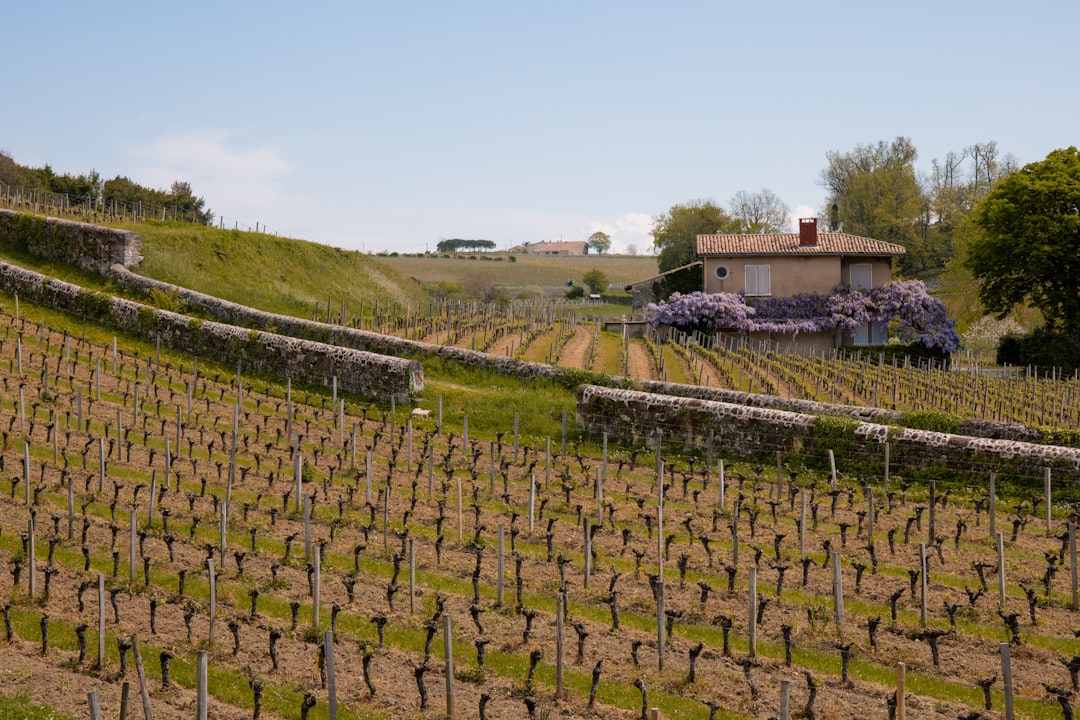
The Regional Winery of Colares was established in 1931 with the aim of protecting local producers and ensuring the continuity of the denomination. The building of the winery, located in the center of Colares, preserves tanks and equipment that tell decades of traditional winemaking. The annual production is very limited, a direct reflection of the scarcity of still active vineyards: the vineyard area of the DOC Colares has drastically reduced over the course of the twentieth century, and today we are talking about a few dozen hectares in total.
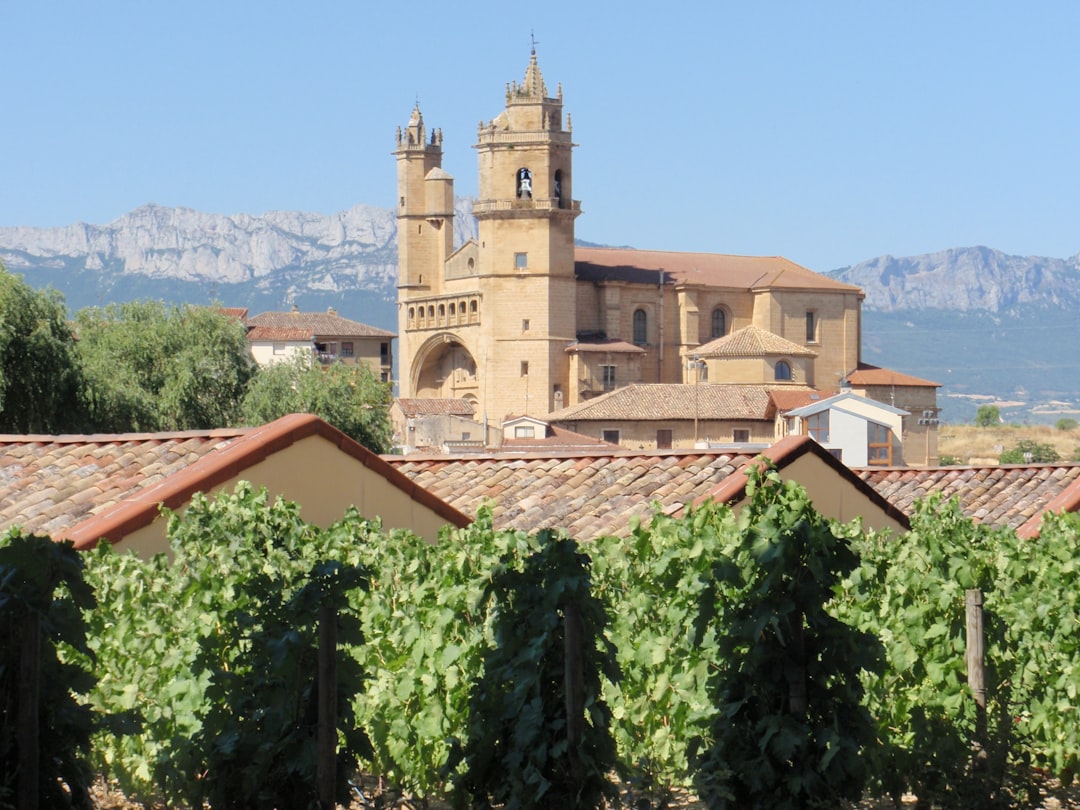
Tastings at the winery allow you to sample both the reds from Ramisco, which often require years in the bottle to soften the tannins, and the whites from Malvasia de Colares, an indigenous white grape variety that produces fresh wines, with lively acidity and a very recognizable saline minerality. The white wines of Colares are less known than the reds but deserve attention, especially when paired with the Atlantic seafood available in the local restaurants.
How to organize the visit
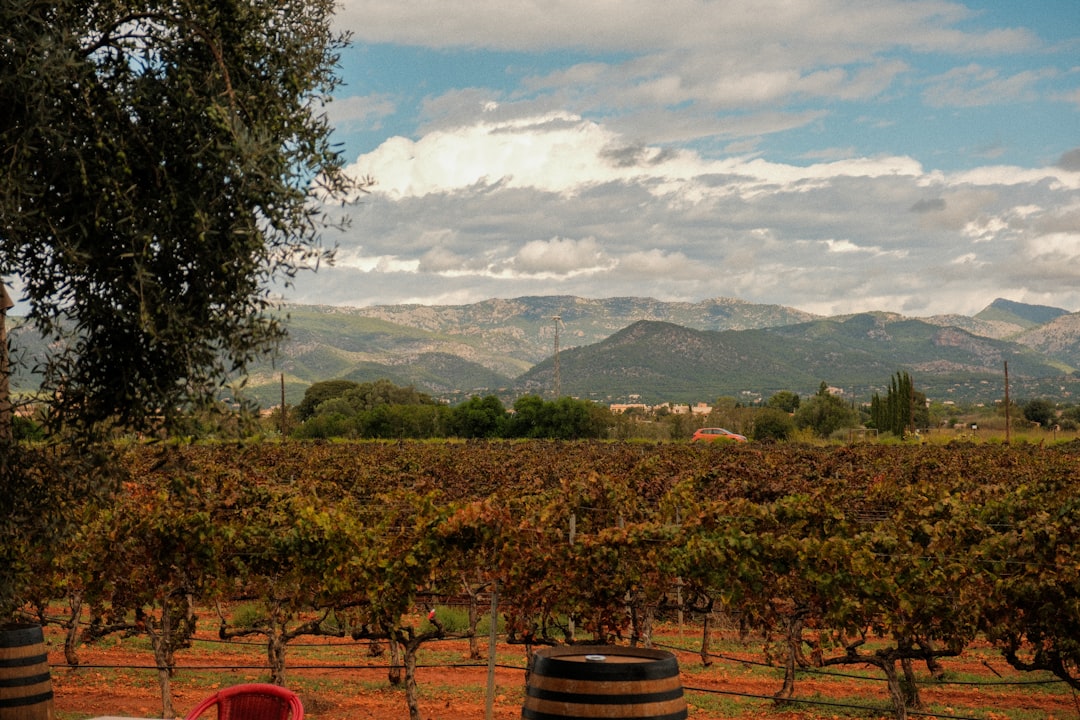
The Adega Regional de Colares is located in the village of Colares, accessible by bus from the Sintra station in about 20-30 minutes. Those traveling from Lisbon can take the train to Sintra and then continue by bus or taxi. The visit to the winery with tasting must be booked in advance, as the facility operates with limited numbers and is not always open to spontaneous entries. The practical advice is to contact the Adega directly via email or phone at least one week in advance, specifying the number of people and interest in a guided tasting.
The best time to visit Colares is between September and November, during and immediately after the harvest. During this period, it is possible to see the winery in operation and understand the real pace of production. It is advisable to avoid days of strong Atlantic winds in winter, when the coastal roads can be less pleasant. A complete visit to the winery with tasting takes about two hours; by combining it with a walk among the vineyards and a lunch in the village, one can create a whole day out of Lisbon without anything artificial.
Why Colares is Worth the Trip
Colares is not a destination for those seeking designer wineries or spectacular wine experiences. It is a place where the wine history is read directly in the landscape: century-old ungrafted vines, sands that stopped phylloxera when the rest of Europe succumbed, a cooperative born in 1931 that still today upholds a fragile denomination. The aged red wines from Ramisco can take up to ten years in the bottle before expressing themselves at their best, which says everything about the patience that this territory requires, from winemakers to visitors.
For those in Sintra or Lisbon looking to add an authentic stop to their Portuguese itinerary, the detour to Colares offers something that is hard to replicate: direct contact with a wine tradition that has survived for geological reasons, not for fashion or marketing.


