
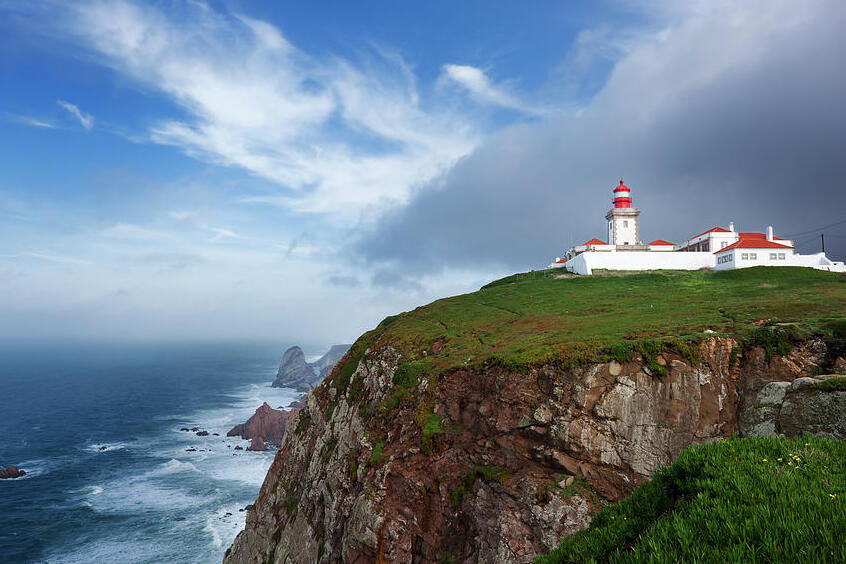

Perched on a dramatic cliff overlooking the boundless Atlantic Ocean, the lighthouse of Cabo da Roca stands as a sentinel at the edge of the world. This iconic structure, situated at the westernmost point of continental Europe, is not only a beacon for sailors but also a testament to Portugal's rich maritime history and architectural prowess.
History and Origins
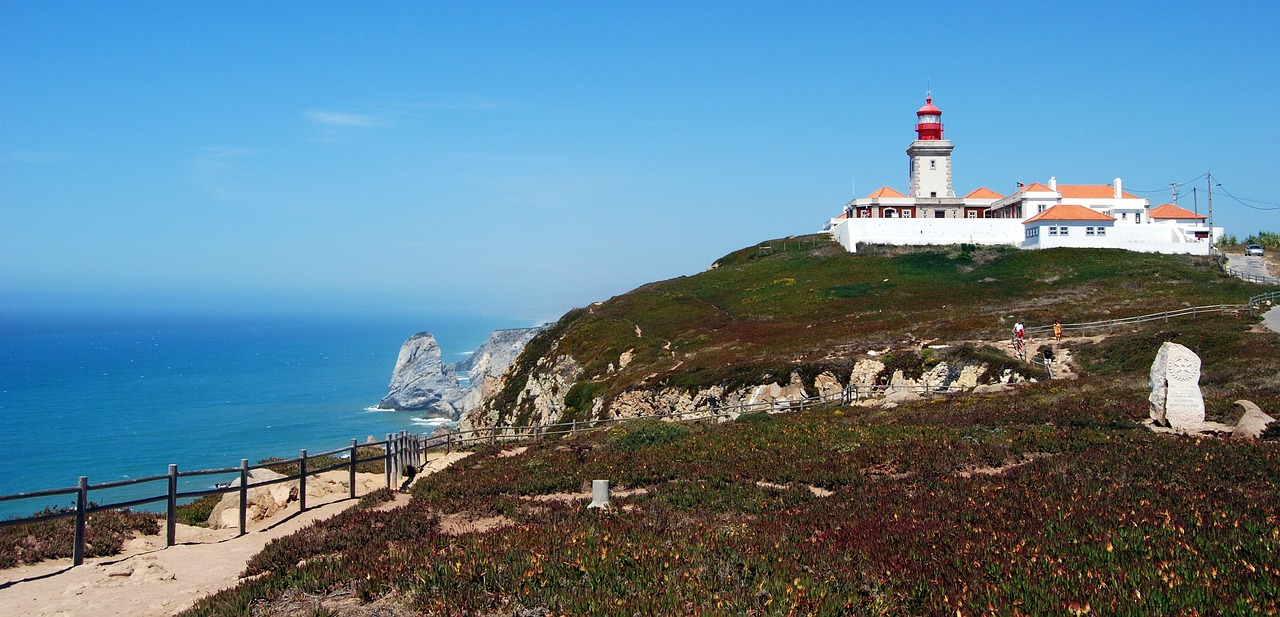
The story of the Cabo da Roca lighthouse begins in 1772, making it one of the oldest lighthouses in Portugal. Commissioned during the reign of King José I, it was part of a broader effort to improve maritime safety along the perilous Atlantic coast. The original structure was a modest affair, but over the centuries, it has undergone numerous upgrades to adapt to technological advancements. During the Napoleonic Wars, the lighthouse played a critical role in the coastal defenses, ensuring that the Portuguese coast remained navigable and secure. Today, it continues its vital service, operated by a dedicated team of three lighthouse keepers, preserving the legacy of maritime guardianship.
Art and Architecture
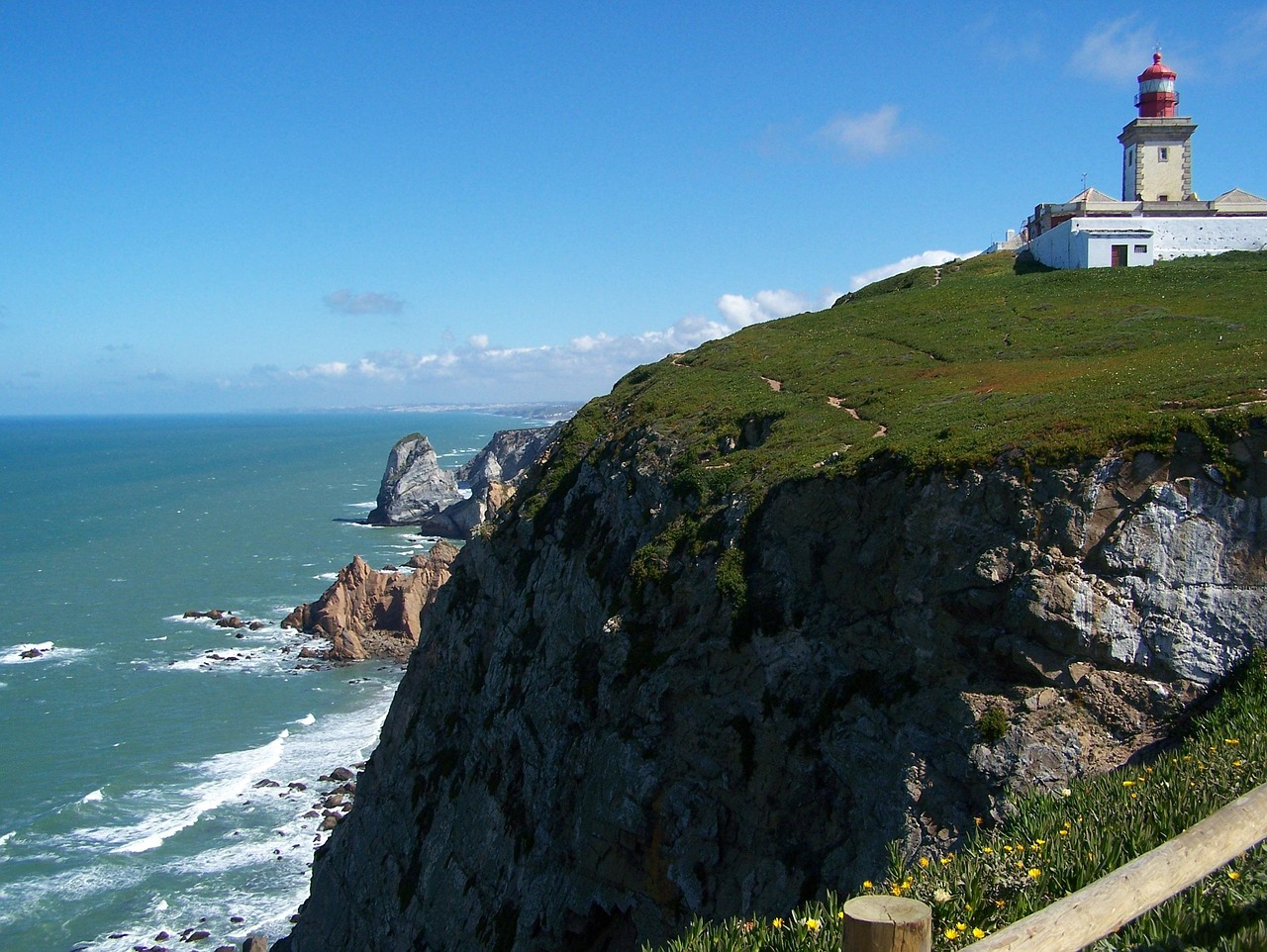
The architecture of the Cabo da Roca lighthouse is a reflection of its utilitarian purpose, yet it possesses a stark, rugged beauty. The structure is a classic example of 18th-century Portuguese lighthouse design, featuring a cylindrical stone tower capped with a lantern and gallery. The simplicity of its design is offset by its location; the lighthouse stands atop a 540-foot hill, offering sweeping views of the Atlantic Ocean. Notable for its aesthetic and functional design, it embodies the harmony between man-made structures and nature, a theme prevalent in Portuguese architectural philosophy.
Local Culture and Traditions
The surrounding region of Colares is steeped in culture and tradition, rich with local customs that visitors can explore. One of the most celebrated events is the annual Festa de São João, a vibrant festival featuring traditional music, dance, and culinary delights. The local community takes great pride in preserving these traditions, offering a glimpse into the region's cultural heritage. The area is also known for its artisans, who craft intricate ceramics and textiles, drawing inspiration from the natural beauty of the coastline and its storied history.
Gastronomy
No visit to Cabo da Roca is complete without indulging in the local gastronomy. Colares is renowned for its unique wines, particularly the Colares DOC, a wine grown on the sandy soils of the region that imparts a distinctive flavor. Seafood is a staple of the local diet, with dishes such as bacalhau à brás (salted cod with eggs and potatoes) and ameijoas à Bulhão Pato (clams in garlic and coriander) offering a taste of the sea. These culinary delights are best enjoyed at local taverns, where the flavors are as rich and inviting as the landscapes.
Lesser-Known Curiosities
Beyond its stunning vistas and historical significance, Cabo da Roca holds several lesser-known curiosities. One such secret is the flora that thrives in the harsh coastal conditions. The area is home to rare plant species, such as the Armeria pseudarmeria, which are endemic to the region and add a splash of color against the rugged terrain. Additionally, the lighthouse's original Fresnel lens, a marvel of 19th-century engineering, is still on display, showcasing the ingenuity that once revolutionized lighthouse illumination.
Practical Visitor Information
For those planning a visit to Cabo da Roca, the best time is during the spring or early autumn when the weather is mild, and the coastal paths are lined with blooming wildflowers. It's advisable to arrive early in the day to avoid crowds and to fully appreciate the serene beauty of the landscape. Be sure to wear comfortable shoes, as the terrain can be uneven, and bring a windbreaker to shield against the strong Atlantic breezes. While at the lighthouse, take a moment to absorb the panoramic views and reflect on the historical significance of standing at the edge of the European continent.
Cabo da Roca is more than just a geographical landmark; it's a place where history, culture, and nature converge in a breathtaking display of natural beauty and human achievement. Visitors leave not just with photographs, but with a profound sense of having touched a part of history that continues to guide and inspire.


