
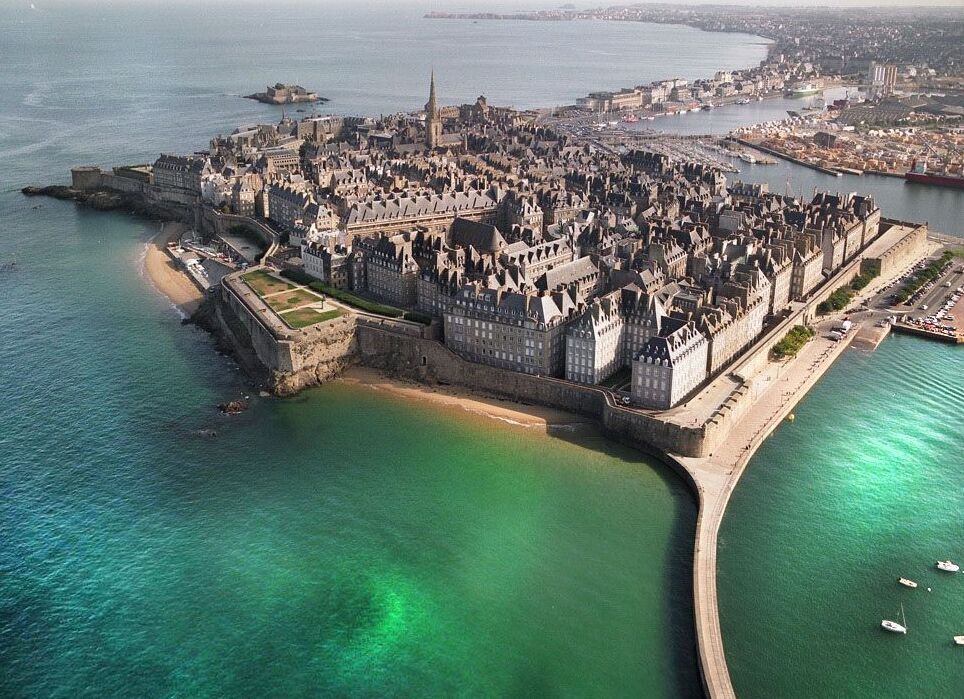

Nestled along the rugged coastline of Brittany, the walled port city of Saint-Malo is a treasure trove of history, culture, and maritime heritage. With its storied past and breathtaking views of the English Channel, this city beckons travelers from all corners of the globe.
History and Origins
Saint-Malo's origins date back to the 1st century, when it was a settlement named after Saint Maclou, an Irish monk who played a crucial role in the region's early Christianization. By the Middle Ages, Saint-Malo had evolved into a fortified town, strategically positioned to control access between the sea and the Rance River. Its significance soared during the 12th century when it became a haven for privateers—legal pirates who raided enemy ships and returned their spoils to the crown.
The city's defenses were bolstered with impressive granite walls, a hallmark of its resilience. A pivotal moment in its history occurred during World War II, when much of intra muros—the area within the walls—was heavily bombed. However, the spirit of Saint-Malo remained unbroken; post-war reconstruction preserved the architectural essence that stands today.
Art and Architecture
The architectural landscape of Saint-Malo is a captivating blend of medieval fortifications and charming traditional houses. The Ramparts, a walkable series of walls encircling the city, offer panoramic views of the coast and the Baie de Saint-Malo. The Cathédrale Saint-Vincent, with its striking spires and intricate stained glass, is another highlight, showcasing Gothic and Romanesque influences.
Inside the city, the narrow cobblestone streets reveal mansions and buildings crafted from the local granite, characterized by their unique, weathered appearance. Notable artworks can be found in the Musée de la Ville, which also houses maritime artifacts and paintings that depict the seafaring life that shaped Saint-Malo’s identity.
Local Culture and Traditions
Saint-Malo is not just a city; it is a living testament to Brittany's vibrant culture. The annual Route du Rock music festival, held each August, attracts music lovers with diverse tastes, showcasing both established and emerging artists. The Fête de la Mer, a celebration of the sea, occurs every summer, honoring the fishing community and marine traditions.
The city also embraces its Celtic roots, and you might encounter traditional Breton music and dance in the streets, particularly during local events. The strong sense of community is palpable, and visitors are often welcomed into the heart of local life.
Gastronomy
A visit to Saint-Malo is incomplete without indulging in its delectable cuisine. The region is famous for its galettes de sarrasin—savory buckwheat crepes filled with local ingredients like ham, cheese, and eggs. Pair your meal with a glass of cider, a beloved Breton beverage that complements the flavors of the region.
For seafood lovers, the coquilles Saint-Jacques (scallops) are a must-try, often enjoyed fresh from the surrounding waters. The charming crêperies that dot the streets offer a delightful experience, serving both sweet and savory crepes that delight both locals and tourists alike.
Lesser-Known Curiosities
While many flock to the famed Grand Bé, the island where the writer Chateaubriand is buried, fewer know of the Fort National, an impressive fortress built in the late 17th century that provides insight into the city’s military history. The fort is often overshadowed by the more popular sites but offers a fascinating glimpse into the past.
Another hidden gem is the Maison de la Duchesse Anne, a historic building that showcases the life of the Duchess Anne of Brittany, who played a pivotal role in uniting Brittany with the French crown. Additionally, the moules marinières (mussels cooked in white wine) served at local eateries are often accompanied by stories of fishermen who have braved the unpredictable seas.
Practical Visitor Information
The best time to visit Saint-Malo is during the summer months, from June to September, when the weather is warm and festivals abound. However, spring and early autumn also offer a quieter experience with fewer crowds and stunning coastal scenery.
To make the most of your visit, consider taking a guided walking tour to delve deeper into the city's history. Don't miss a stroll along the ramparts at sunset; the views are simply breathtaking.
For those looking to explore beyond the walls, the nearby Rance River offers opportunities for kayaking and sailing, while the coastal paths provide excellent hiking and biking routes.
As you plan your trip, consider utilizing the Secret World app to craft a personalized itinerary that captures the essence of Saint-Malo and its unique charm.


