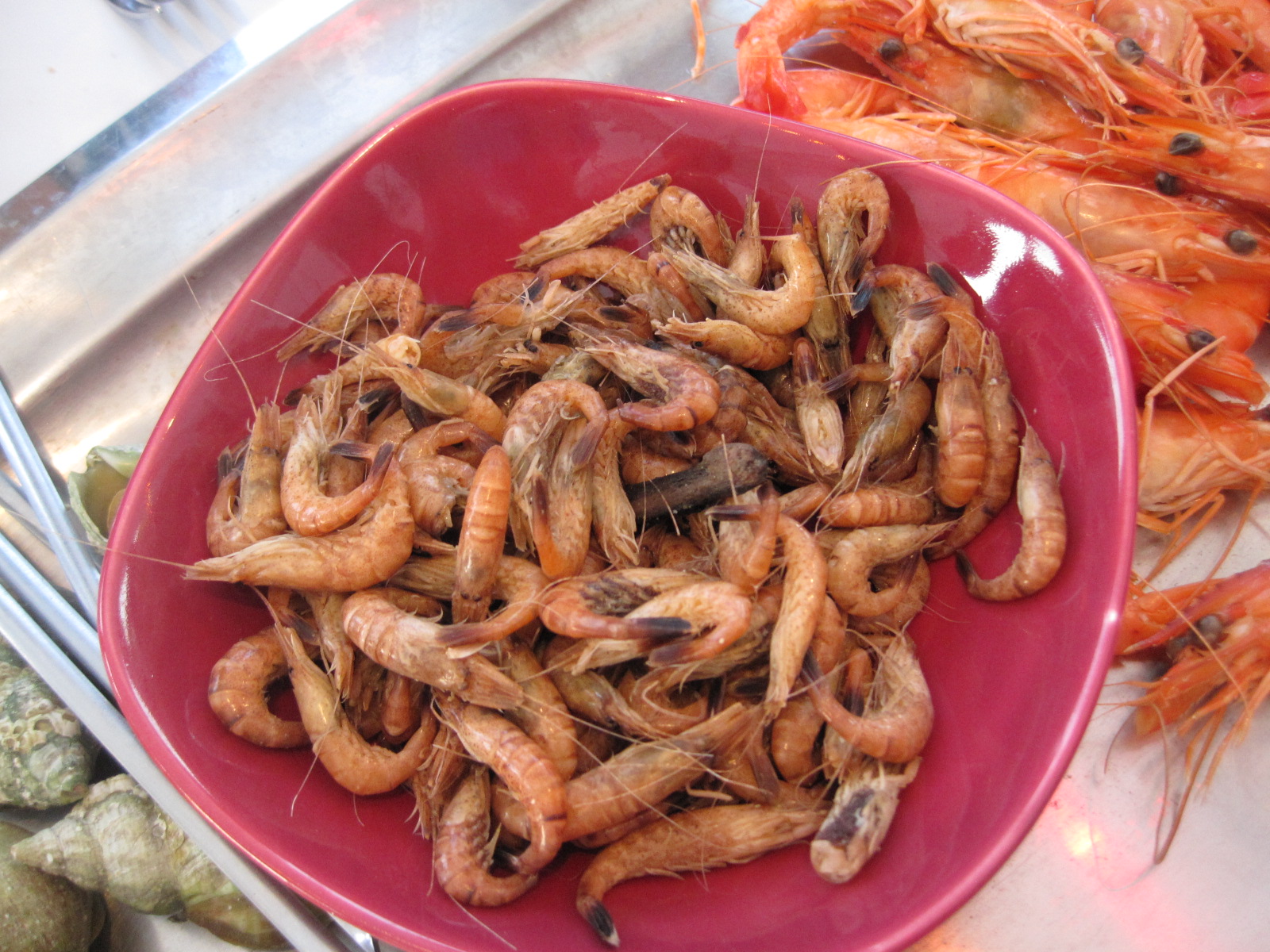

Nestled along the North Sea, Belgium offers a culinary treasure that has captivated locals and travelers alike: the Crevette Grise. These gray shrimps, despite their unassuming appearance, boast a sweet and delicate flavor that has become a staple in Belgian cuisine. But the story of Crevette Grise is not just about taste—it's a tapestry woven with history, culture, and tradition.
### History and Origins The history of Crevette Grise is as rich as its flavor. These small crustaceans have been harvested from the North Sea for centuries. Traditionally, the shrimp were collected by fishermen on horseback, a practice dating back to the 15th century. This unique method, still practiced today in Oostduinkerke, is a testament to Belgium's maritime heritage and is recognized by UNESCO as an Intangible Cultural Heritage of Humanity. The sight of horses wading through the surf, with nets trailing behind, is a powerful reminder of the deep-rooted traditions that continue to thrive in modern Belgium.
### Art and Architecture While Crevette Grise are not directly linked to Belgian art and architecture, their influence is subtly felt. The coastal regions where these shrimps are harvested are dotted with picturesque fishing villages, often depicted in the works of Belgian artists. The architectural style in these regions ranges from quaint, rustic cottages to grand, historic buildings that provide a backdrop to the vibrant maritime life. The Mu.ZEE in Ostend houses artworks that capture the essence of the Belgian coast, offering a visual feast that complements the culinary delights of the region.
### Local Culture and Traditions In Belgium, Crevette Grise are more than just a food—they are a cultural icon. The annual Shrimp Festival in Oostduinkerke celebrates this delicacy with parades, tastings, and demonstrations of traditional fishing methods. This event is a vibrant display of local pride and showcases the community's connection to the sea. The festival is a sensory experience, with the salty air mingling with the aroma of freshly cooked shrimp, while the sound of traditional music fills the streets.
### Gastronomy Belgian cuisine is renowned for its richness, and Crevette Grise play a starring role. They are versatile and can be prepared in various ways. Tomate Crevette, a dish of fresh tomatoes stuffed with prawn salad, is a refreshing start to any meal. Garnaalkroket, or shrimp croquettes, offer a crispy exterior with a creamy center, making them a favorite among locals. Enjoying these delicacies with a local beer enhances the experience, as the flavors complement each other beautifully.
### Lesser-known Curiosities A lesser-known fact about Crevette Grise is their journey from sea to plate. After being caught, the shrimp are immediately boiled on board the fishing boats to preserve their freshness. This practice ensures that the shrimp retain their natural sweetness and delicate texture. Moreover, the peeling of these tiny shrimps is a skill passed down through generations, often becoming a communal activity in Belgian households.
### Practical Visitor Information The best time to visit Belgium for Crevette Grise is during the late summer and early autumn months when the shrimp are most abundant. Visitors should head to the coastal towns, especially Oostduinkerke, to witness the traditional shrimp fishing on horseback. It's also worth exploring local seafood restaurants, where chefs offer innovative takes on classic shrimp dishes. For a truly authentic experience, participating in a shrimp-peeling workshop can provide hands-on insight into this beloved culinary tradition.
For those ready to explore the rich tapestry of Belgium's culinary and cultural heritage, using the Secret World app can tailor a unique itinerary, ensuring you don’t miss out on hidden gems.
