
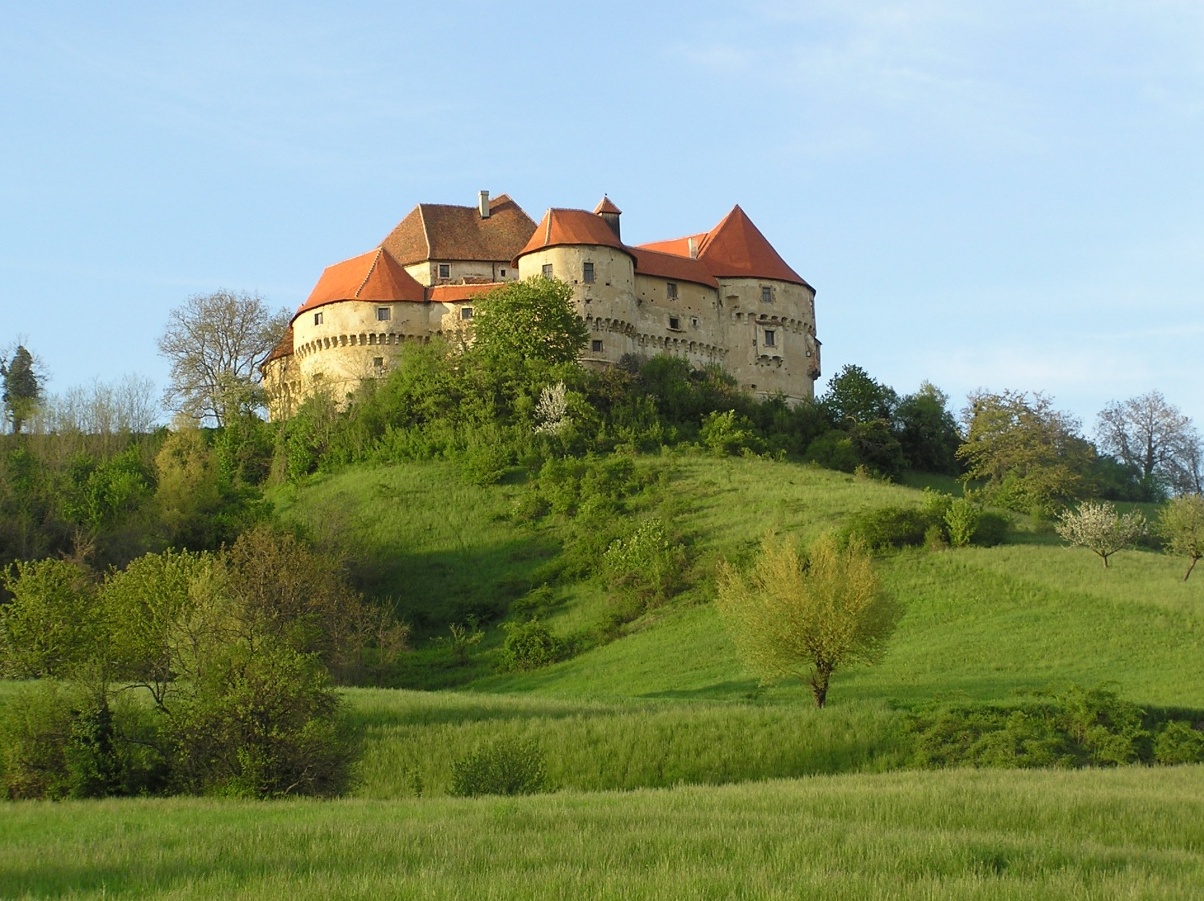

The fort of Veliki Tabor stands as a testament to the resilience and artistry of medieval architecture in continental Croatia. Perched majestically atop Mount Hum Košni?ki, at an elevation of 333 meters, this fort has been a sentinel over the breathtaking Hrvatsko Zagorje region for more than five centuries. Its impressive silhouette against the sky not only captures the historical spirit of the area but also offers panoramic views that stretch into parts of Slovenia.
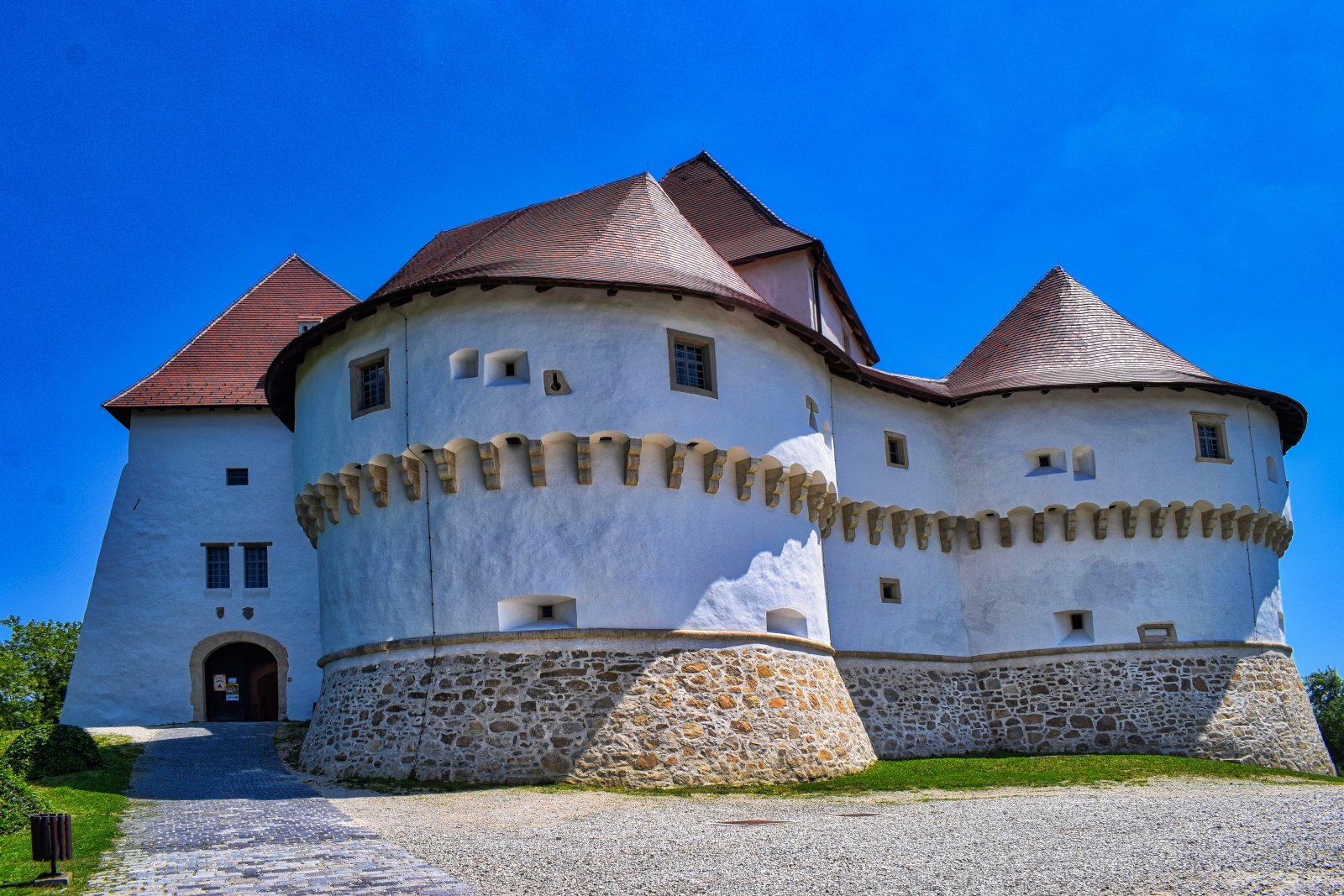
History and Origins The origins of Veliki Tabor date back to the late 15th century, with its construction attributed to the noble Rattkay family. The fort was strategically designed to serve as a defensive stronghold against potential invasions during a tumultuous period in Croatian history. Notable historical events include its role in the Croatian–Ottoman Wars, where it stood firm against the tides of conflict. The fort transitioned into a residence for Countess Dora, a figure of local folklore and history, who reputedly roamed the halls of this imposing structure.
Over the years, Veliki Tabor was not just a military fortification; it became a symbol of power and prestige for the nobility. Its walls have witnessed the passage of time and the evolution of Croatian culture, making it a crucial landmark in understanding the nation’s past.
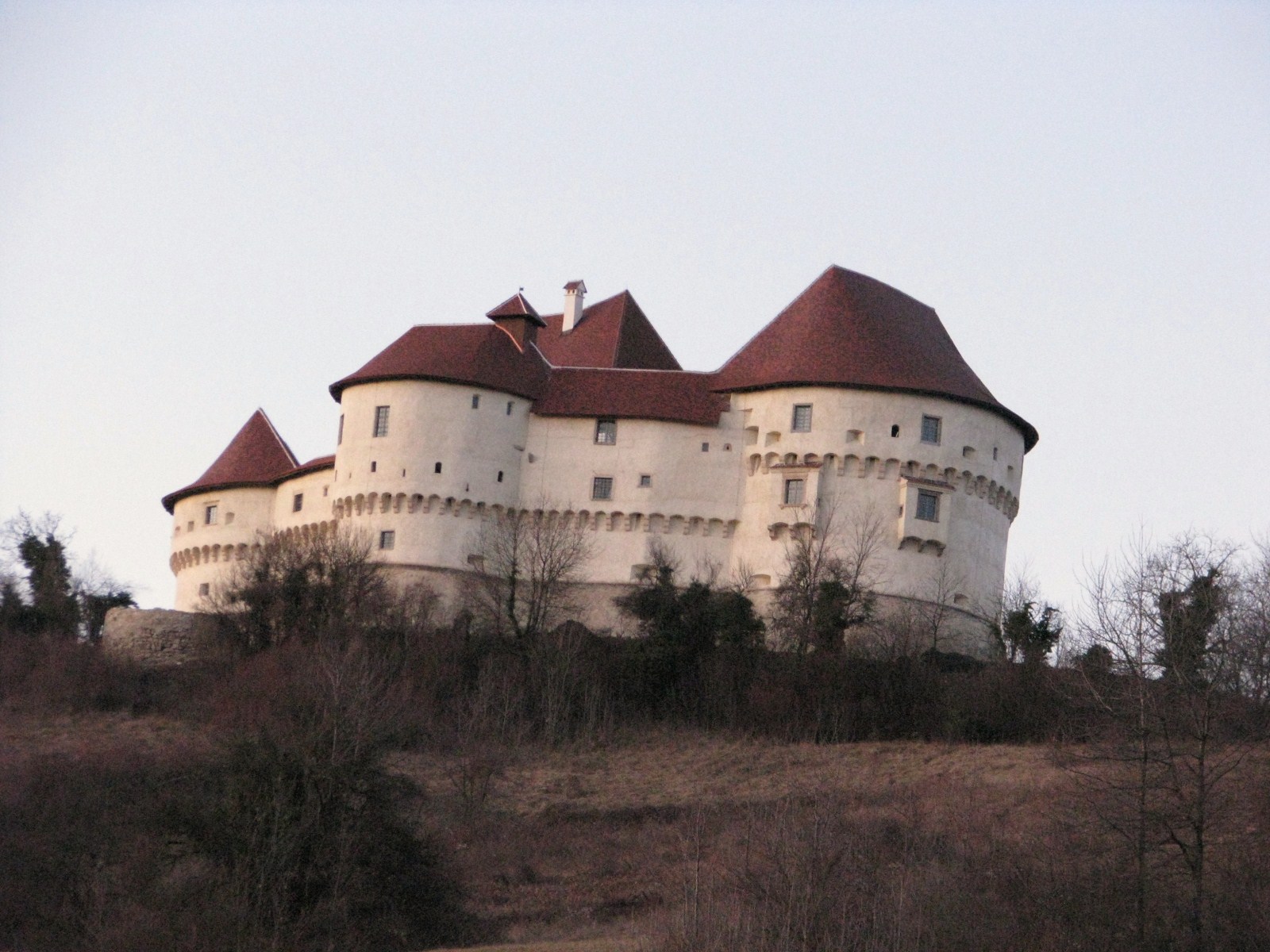
Art and Architecture A striking example of Gothic and Renaissance architecture, Veliki Tabor is distinguished by its robust stone walls and elegantly designed towers. The fort is marked by a rectangular layout, enclosed by a moat, and features a stunning interior courtyard where visitors can admire the harmonious blend of nature and architecture. The interior boasts various rooms that once served as living quarters, storage, and defensive positions, with each area echoing the stories of its past inhabitants.
Artistic significance is evident in the beautifully preserved frescoes that adorn some of the fort’s walls. These artworks provide a glimpse into the artistic expressions of the time, showcasing themes of daily life, nature, and mythology. The intricate stone carvings and the grand façade of the fort contribute to its status as one of Croatia’s most important cultural monuments.
Local Culture and Traditions The region surrounding Veliki Tabor is rich in traditions and customs that reflect the cultural tapestry of Hrvatsko Zagorje. One of the most celebrated events is the annual Grape Harvest Festival, where locals come together to celebrate the bounty of the vineyards. This vibrant festival showcases local music, dance, and, of course, wine tasting, allowing visitors to immerse themselves in the heart of Croatian culture.
Another fascinating aspect of local culture is the storytelling tradition that often revolves around Countess Dora. Legend has it that her spirit still roams the fort, and tales of her beauty and tragic fate captivate both locals and tourists alike. Engaging with these stories enhances the experience of visiting the fort, as one can feel the echoes of history resonating through the stone walls.
Gastronomy No visit to Hum Košni?ki would be complete without indulging in the local gastronomy. The region is renowned for its hearty dishes, with specialties such as štrukli (a traditional pastry filled with cheese) and mlinci (thin flatbread often served with roasted meats). The local cuisine is heavily influenced by traditional Slavic and Hungarian flavors, reflecting the diverse heritage of the area.
Pair your meal with a glass of Zlahtina, a white wine produced in the nearby Vrbnik region, celebrated for its crisp, refreshing taste. This culinary experience, set against the backdrop of the fort, offers a delightful way to engage with the local culture while savoring the unique flavors of Croatia.
Lesser-Known Curiosities While many tourists flock to the stunning views and historical significance of Veliki Tabor, some hidden gems remain undiscovered. For instance, the fort is said to have a secret tunnel that once connected it to the nearby village of Desinić, allowing for covert movements during times of conflict. Additionally, the fort’s watchtower offers a unique vantage point where, on clear days, one can spot the distant peaks of the Slovenian Alps.
Another curiosity lies in the annual reenactments of historical battles that take place within the fort's walls, offering a glimpse into the past and allowing visitors to witness history come alive.
Practical Visitor Information The best time to visit Veliki Tabor is during the spring and early autumn months, when the weather is mild, and the surrounding landscape is adorned with vibrant colors. Be sure to wear comfortable shoes, as exploring the fort involves climbing various levels and navigating rocky paths.
When visiting, look out for the museum inside the fort, which showcases artifacts and exhibits detailing the history of the area. Guided tours are available, providing in-depth knowledge and insights into the fort’s storied past and architectural marvels.
In conclusion, Veliki Tabor is more than just a historical site; it is a cultural treasure that encapsulates the spirit of Croatian heritage. For those looking to explore the rich tapestry of this region, using the Secret World app can help you craft a personalized itinerary to discover all that Hum Košni?ki has to offer.


