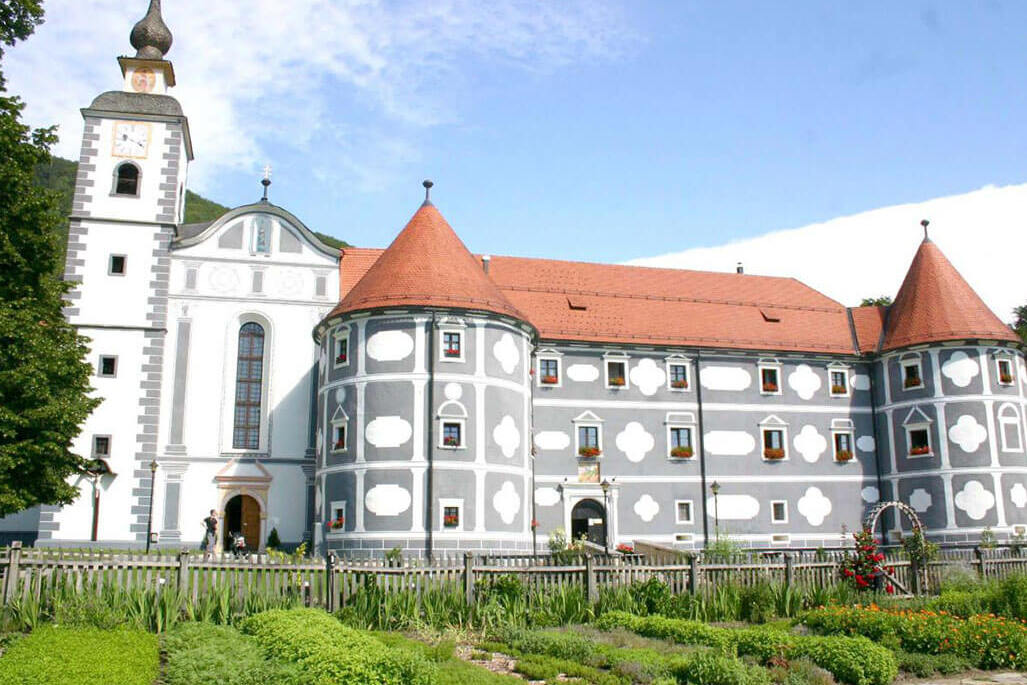

Nestled in the picturesque village of Olimje, Slovenia, the Monastery of the Friars Minor stands as a testament to centuries of history, spirituality, and artistry. The tranquil surroundings of Mount Rudnica and the lush landscapes of Kozjansko Park create a serene atmosphere that invites visitors to explore this remarkable site, rich in cultural heritage and natural beauty.
### History and Origins
The origins of the Olimje Monastery can be traced back to 1663 when the Pauline Fathers established it. For over a century, these monks cultivated the land and developed a thriving community until the monastery was dissolved in 1783 during the reforms of Emperor Joseph II. Following this, the property was taken over by the Friars Minor of St. Francis, who have since maintained its religious significance. The monastery, originally a residence for the clergy, evolved into a cultural hub, reflecting the changes in Slovenia's religious landscape.
Throughout its history, the monastery has endured various challenges, including wars and political upheavals. The Attems family, who were prominent landowners in the region, once held the estate, further enriching its historical tapestry. Today, the monastery is managed by the Municipality of Podčertek, ensuring its preservation and continued relevance as a place of worship and pilgrimage.
### Art and Architecture
The architectural style of the Monastery of the Friars Minor is a striking example of Baroque design, characterized by its grandiose structures and ornate details. The Church of the Assumption of the Virgin Mary adjacent to the monastery is considered one of the most beautiful Baroque churches in Slovenia. Its stunning façade, complete with intricate frescoes and sculptures, draws attention from all who visit.
Inside, the monastery houses a hidden gem: an ancient apothecary’s shop from the time of the Pauline Fathers. This remarkable space is adorned with stunning frescoes, offering a glimpse into the medicinal practices of the past. Visitors can marvel at the craftsmanship and artistry that have been preserved over centuries, showcasing the monastery's role not just as a spiritual center but also as a place of learning and healing.
### Local Culture and Traditions
The cultural significance of the Olimje Monastery extends beyond its walls. The local community celebrates various traditions, often tied to the liturgical calendar. Festivals such as Assumption Day are marked with processions and communal gatherings, reflecting the deep-rooted faith of the villagers. The monastery’s gardens, cultivated with medicinal herbs, play a vital role in local customs, as the community often engages in the preparation of herbal teas and salves, a tradition that continues to thrive.
In addition to religious observances, the village itself hosts events that celebrate local crafts and produce. Visitors can experience the warmth of the local culture through folk performances and markets that feature handmade goods, emphasizing the artisanal heritage of the region.
### Gastronomy
A visit to the Monastery of the Friars Minor is not complete without indulging in the local gastronomy. The monks are known for their herbal remedies, and their garden yields a variety of herbs used in both cooking and health. Traditional Slovenian dishes, such as štruklji (rolled dumplings) and potica (a nut roll), can often be found in local eateries, offering a taste of the region’s culinary heritage.
In the spirit of the monastery's commitment to natural healing, many local restaurants also serve dishes featuring fresh, organic ingredients sourced from the surrounding countryside. The emphasis on seasonal and local produce enhances the dining experience, allowing visitors to connect with the land and its traditions.
### Lesser-Known Curiosities
While many tourists flock to the well-known sites, a visit to the Olimje Monastery reveals lesser-known curiosities that enrich the experience. For instance, the monastery has a unique tradition of hosting herbal workshops, where visitors can learn about the art of natural remedies and the significance of various herbs in Slovenian culture.
Moreover, the apothecary shop not only displays historical artifacts but also continues to inspire modern herbalists and enthusiasts alike. The monks often share tales of the monastery’s past, including anecdotes about notable figures who visited or resided there, adding a personal touch to the historical narrative.
### Practical Visitor Information
The best time to visit the Monastery of the Friars Minor is during the spring and early autumn months when the gardens are in full bloom, and the weather is pleasant for exploring the surrounding areas. Guided tours of the monastery are available, providing deeper insights into its history and significance.
When planning your visit, consider stopping by the local shops to purchase herbal teas or handmade crafts as souvenirs. Photography is encouraged, but be respectful of the spiritual atmosphere, especially inside the church.
To ensure a well-rounded experience, take advantage of the nearby Kozjansko Park for hiking and nature walks, allowing you to immerse yourself in the stunning Slovenian landscape.
In this serene setting, the Monastery of the Friars Minor of Olimje offers a unique blend of history, culture, and spirituality. For a personalized journey through this enchanting destination, consider using the Secret World app to plan your itinerary.
