
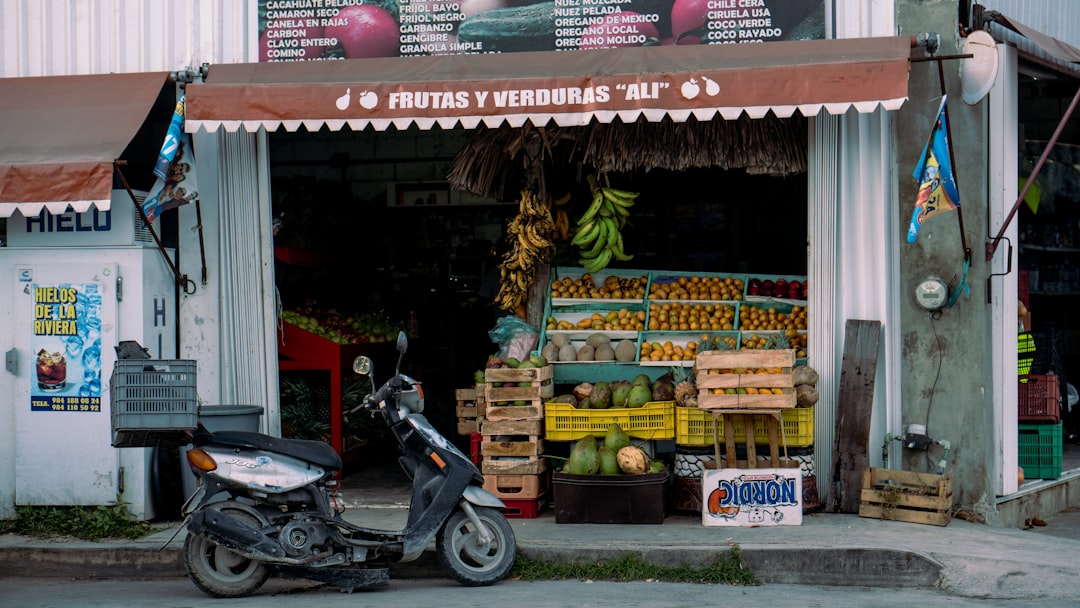

The smell arrives before everything else. Still half a block away, the nose captures a dense overlay of ripe mango, dry spices, and freshly cut meat that permeates the air of the Centro Habana neighborhood. The Mercado Único Cuatro Caminos — named after the intersection between Máximo Gómez and Cristina avenues, historically called "Cuatro Caminos," the four roads — is the oldest and largest covered market in Havana, and probably the place where Cuban daily life is displayed in its most candid and unmediated form.
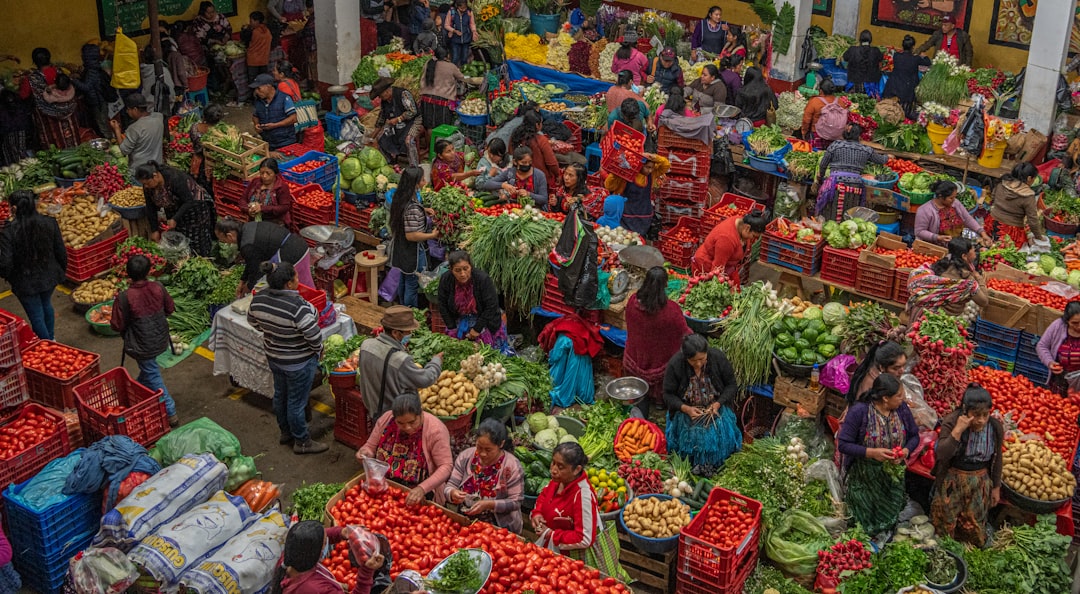
The structure that houses the market dates back to the 1920s, a neoclassical building with eclectic elements typical of Cuban commercial architecture of the time. Its covered aisles extend over a considerable area, divided into thematic sections: fruits and vegetables, meats, fish, dry goods, street food. Despite decades of wear and the obvious signs of partial restorations, the structure retains columns and vaults that tell the original ambition of the project — a market designed to serve a rapidly expanding city in the first half of the last century.
Colors and shapes: the tropical fruit section
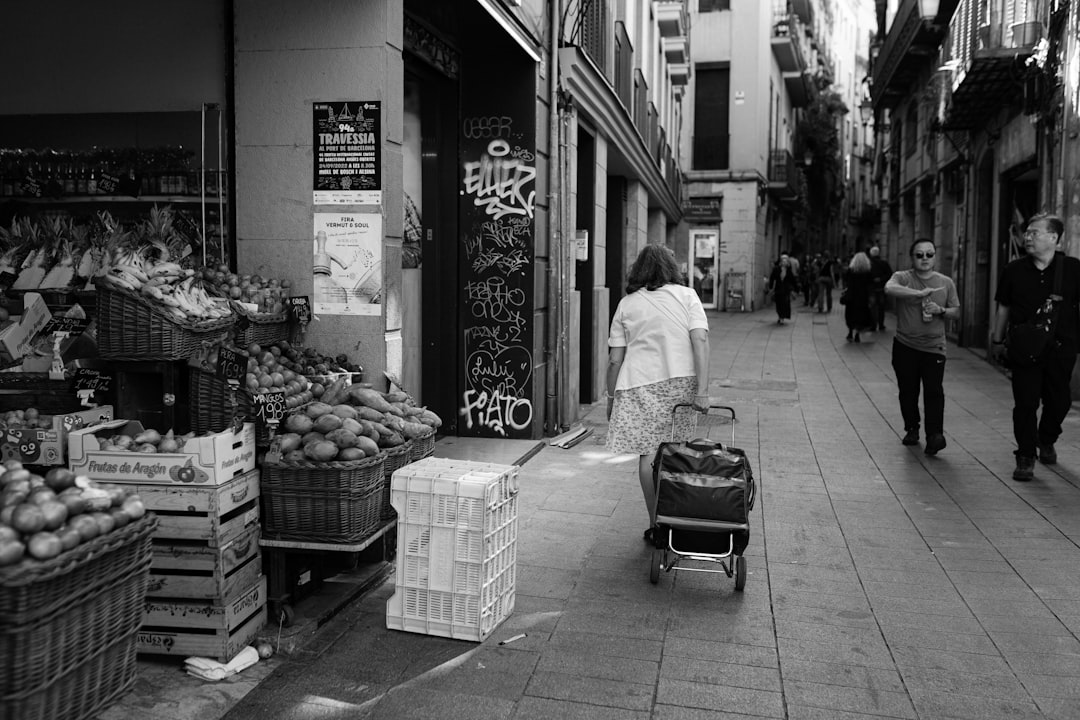
Entering through the main door means immediately immersing oneself in a color palette that leaves no room for neutrality. The fruit stalls are arranged in narrow rows, and the vendors — almost always middle-aged women in colorful aprons — arrange their goods with an almost aesthetic care. Bright orange papaya, pale green guava, rust-colored mamey, pineapple with the crown still intact: each counter is a composition that changes week by week depending on the season and what arrives from the fields of inland Cuba.
Prices are still negotiated verbally, and the dual currency system that has characterized Cuba for decades has left traces in the way transactions occur — often with a quick and informal negotiation between seller and buyer. Observing these exchanges, even without understanding the fast Cuban Spanish full of abbreviations, is already a complete story about how the daily economy of the island works.
Sounds and Voices: the Noise of the Lively Market
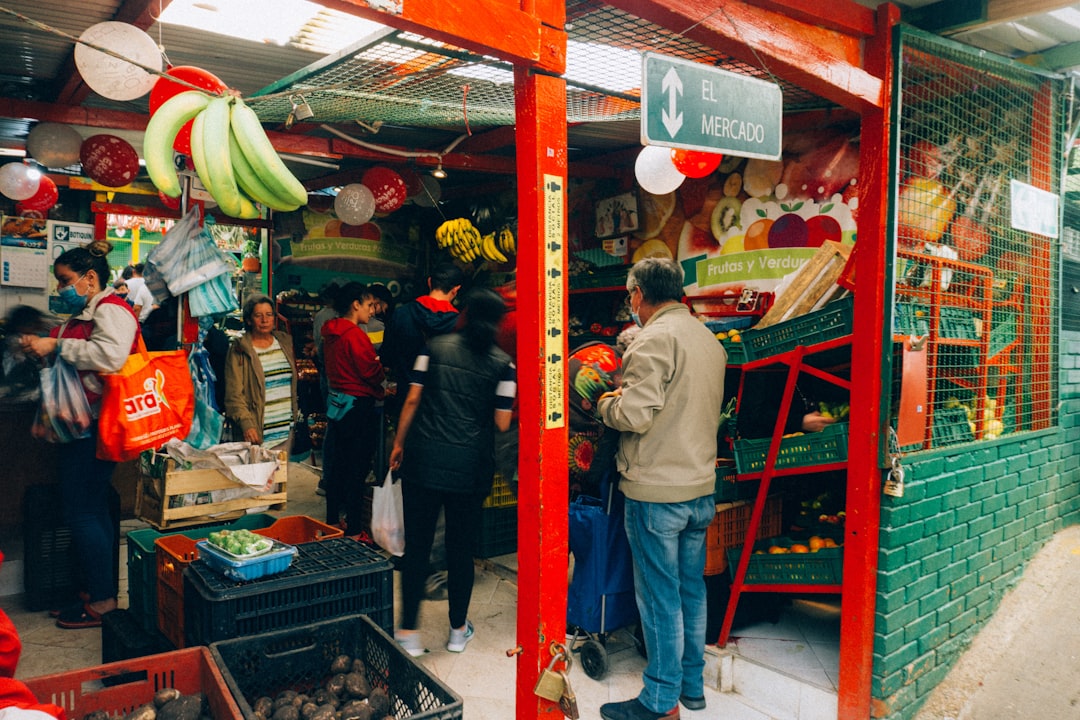
Cuatro Caminos is not a silent market. Vendors call out to passersby with short, repeated phrases, someone has a small radio tuned to a station playing salsa music, and metal carts squeak on the worn concrete floor. In certain corners, especially in the meat section, the noise becomes almost physical — a continuous background that overlaps conversations and creates an atmosphere that has nothing folkloric or constructed for tourists.
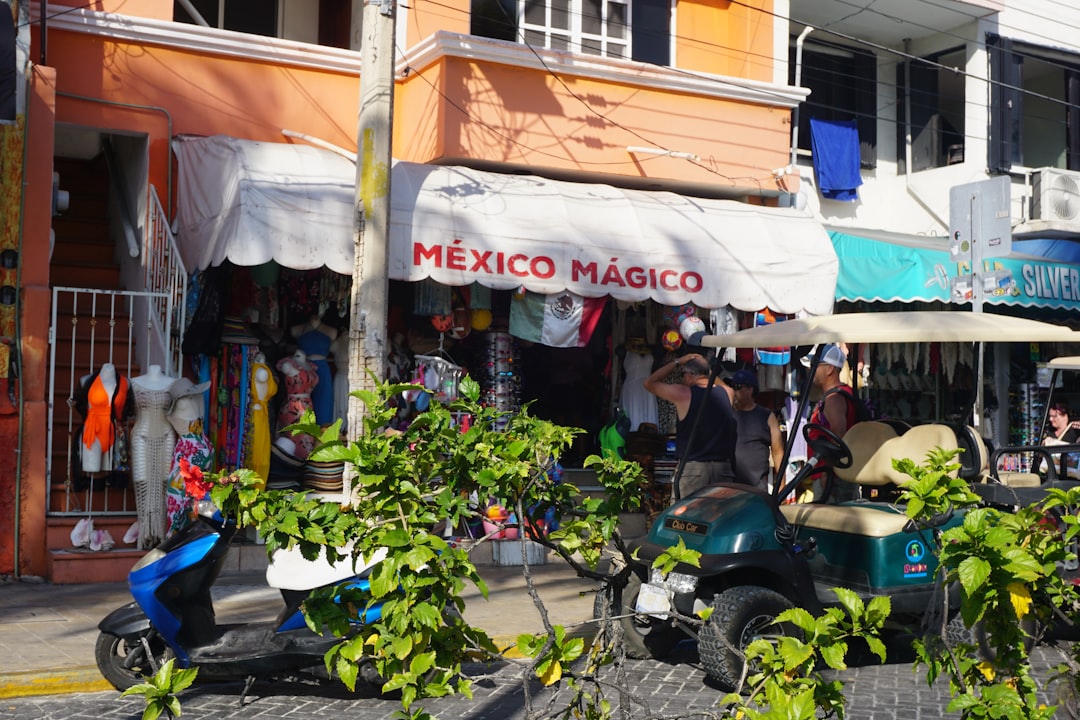
It is this non-performative authenticity that makes the market interesting for those visiting Havana. Unlike some areas of the historic center, where the experience is often calibrated to the foreign presence, here Cubans come to shop. They bring canvas bags, compare prices, and stop to chat with vendors they have known for years. A foreign visitor is noticed, sometimes greeted with curiosity, but they are not the center of attention — and this completely changes the type of observation possible.
Street food: what to eat inside the market
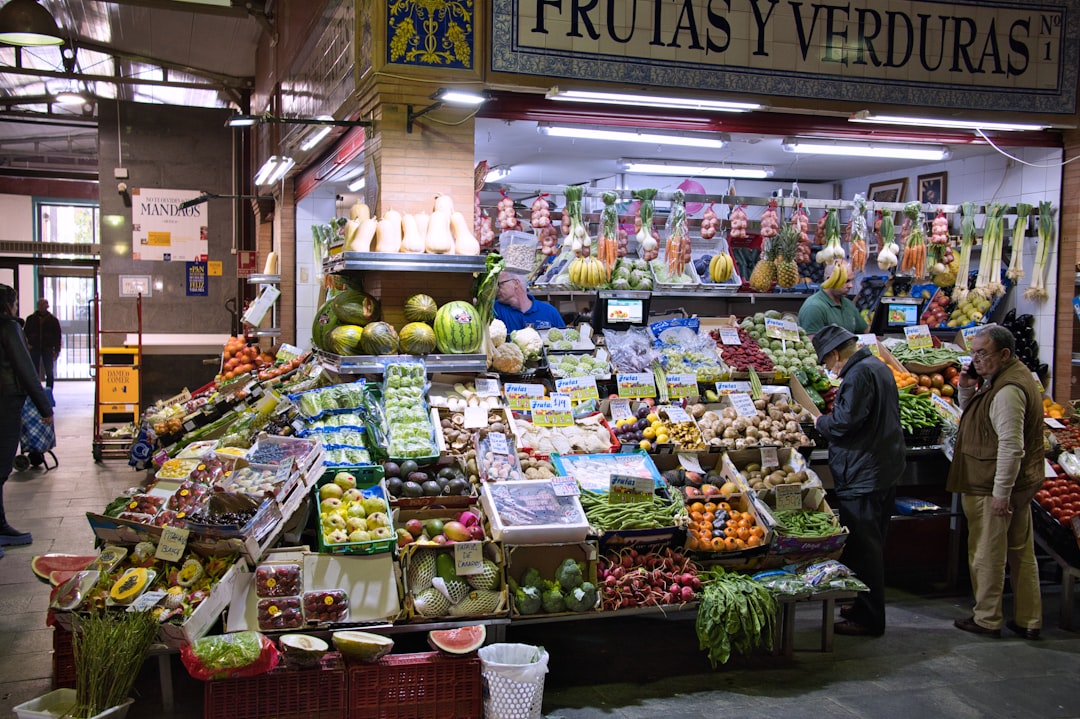
Inside the market, some stalls sell ready-made food. You can find tamales wrapped in corn leaves, sweet corn fritters, fresh fruit juices made from the fruit sold just a few meters away. Prices are low even by Cuban standards, and the quality is that of home cooking — not elaborate, but made with fresh ingredients and a certain familiarity with the island's flavors.
It's worth stopping to eat something while standing, near the stalls, observing the continuous flow of people. It is in these moments of pause that stories emerge: the vendor telling the regular customer about her daughter studying medicine, the boy carrying crates of fruit who stops for a second to drink a juice, the retirees sitting on plastic stools watching the world go by.
How to visit Cuatro Caminos: practical tips
The market is located in the Centro Habana neighborhood, at the intersection of Avenida Máximo Gómez and Avenida de Cristina, easily reachable on foot from the Capitolio or by a collective taxi — the so-called almendrones, the old American cars that run fixed routes at low prices. The best time to visit is early in the morning, between 8 and 10, when the stalls are at their peak offering and the activity is more intense. In the afternoon, some sections empty out and the selection significantly decreases.
Bringing local currency is essential: transactions are done in cash and exchanges on site are not available. Allowing about an hour for a complete visit is realistic, but those who want to stop to eat and observe calmly can extend their stay without difficulty. Avoid Saturday morning if you prefer a less crowded experience: it is the day when the market reaches its highest density of people.


