
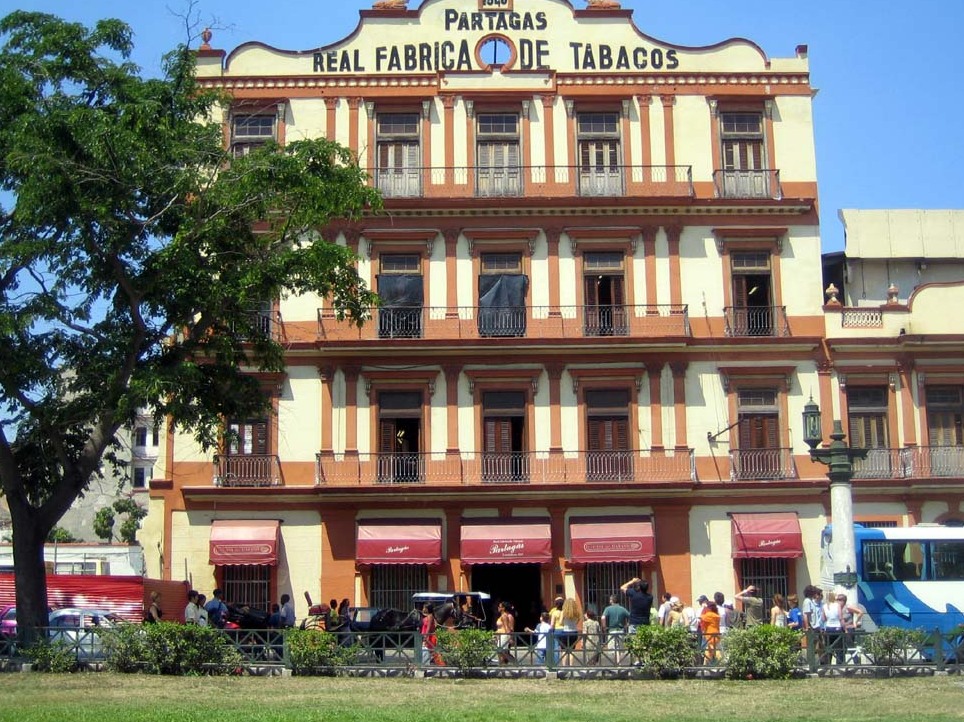

Tucked away in the vibrant streets of La Habana, the Museo del Tabaco stands as a testament to the rich heritage of Cuban cigars, a cultural icon recognized worldwide. This unique museum not only celebrates the artistry and craftsmanship behind cigar production but also delves into the historical significance of tobacco in the region. The history of cigars in Cuba stretches back to the pre-Columbian era when indigenous people, such as the Taíno, used tobacco for ceremonial purposes. With the arrival of Christopher Columbus in 1492, tobacco was introduced to Europe, and the demand for Cuban cigars began to rise. By the 18th century, Cuba had established itself as a premier producer of tobacco, leading to the creation of renowned brands like Cohíba and Montecristo.
Housed in a stunning 18th-century mansion that once belonged to Don Bartolomé Luque, a prominent merchant, the museum is an architectural gem. The building itself features colonial Spanish architecture, characterized by its high ceilings, elegant wrought-iron balconies, and intricate wooden beams. Visitors are greeted by a serene courtyard adorned with tropical plants, creating a tranquil atmosphere that complements the rich history contained within. The museum's exhibition space is filled with fascinating artifacts, including pipes, lighters, boxes, and ashtrays, each telling a story of the meticulous craftsmanship involved in cigar making. Notably, the museum houses a comprehensive register of trademarks from the 18th and 19th centuries, showcasing the evolution of cigar branding over the decades.
Local culture surrounding cigars is deeply ingrained in Cuban traditions. The act of enjoying a cigar is often associated with relaxation and socialization, making it a staple in gatherings and celebrations. Festivals like the Havana Cigar Festival, held annually in February, celebrate this cultural heritage, drawing enthusiasts from around the globe to explore the art of cigar making through tastings, workshops, and exclusive releases. The museum plays a pivotal role in these festivities, offering insights into the intricacies of cigar production and the deep-rooted customs surrounding it.
When visiting the Museo del Tabaco, don’t miss the opportunity to indulge in the local gastronomy that complements the cigar experience. Pairing a rich Cuban cigar with a glass of aged rum, such as Havana Club, is a tradition for many locals and tourists alike. The flavors of the cigar blend seamlessly with the smooth notes of the rum, enhancing the overall tasting experience. Additionally, local delicacies like ropa vieja (shredded beef) and tostones (fried green plantains) are popular choices to accompany a leisurely afternoon of cigar smoking, grounding visitors in the essence of Cuban culinary culture.
For those intrigued by lesser-known curiosities, the museum holds surprises that most tourists may overlook. One interesting fact is the museum's collection of lithographs showcasing the artistry of cigar box designs, which often feature intricate illustrations and vibrant colors that reflect the cultural identity of the region. Furthermore, many visitors are unaware of the famous Cuban cigar rollers, known as torcedores, who not only roll cigars but also narrate stories to entertain while they work, an integral part of the cigar-making process that adds a personal touch to each creation.
The best time to visit the Museo del Tabaco is during the dry season, from November to April, when the weather is pleasantly warm and conducive for exploring the surrounding area. Visitors should allocate ample time to immerse themselves in the exhibits, as well as to enjoy a cigar in the adjacent Casa del Habano, where they can purchase authentic Cuban cigars to take home. To enhance your experience, consider seeking out guided tours, which can provide deeper insights into the historical and cultural context of the exhibits.
As you stroll through the museum's halls, take a moment to appreciate the intricate relationship between Cuba and its world-renowned cigars, a story that spans centuries and continues to evolve. The Museo del Tabaco is not just a museum; it's a celebration of Cuban identity, craftsmanship, and tradition, making it a must-visit for anyone seeking to understand the heart and soul of this vibrant island. To enrich your visit to La Habana, consider using the Secret World app to craft a personalized itinerary that highlights the best this city has to offer.


