
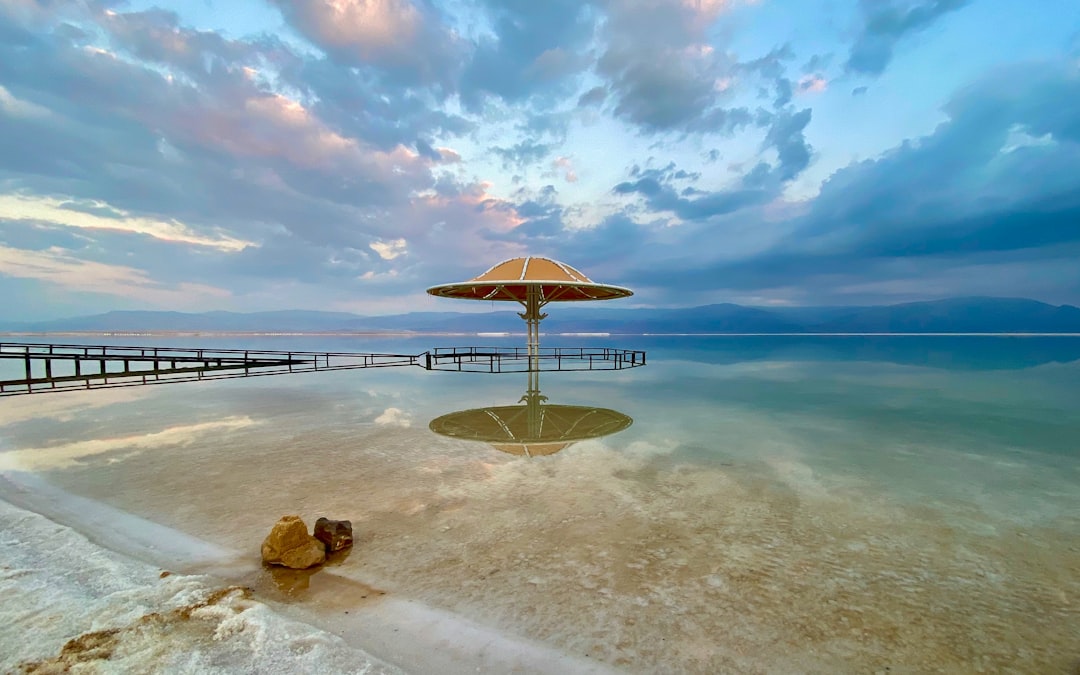

Lie on the water and do not sink. It is not a trick, it is not a pool with hidden floaters: it is simply the physics of the Dead Sea, where the salt concentration reaches about 34% — almost ten times that of normal oceans — making the human body so light that it stays on the surface without any effort. The David Dead Sea Resort & Spa, located in the area of Ein Bokek, in the Israeli Negev desert, overlooks this extraordinary body of water, offering visitors privileged access to one of the most unique natural experiences on the planet.
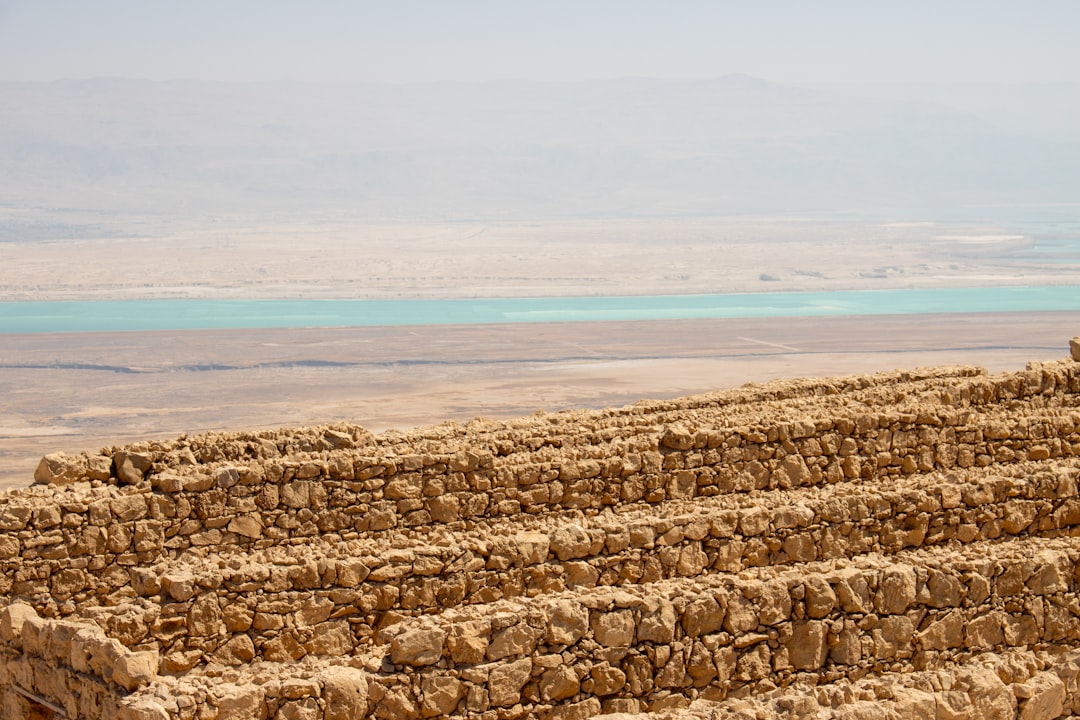
Ein Bokek is the main tourist area on the Israeli shore of the Dead Sea, a cluster of hotels and resorts that rises in the middle of the desert, a few kilometers from the border with Jordan. The lake — technically an endorheic lake, with no outlets to the sea — is located about 430 meters below sea level, the lowest point on the Earth's surface. This extreme location is not just a geographical fact to note in the notebook: it is physically felt in the denser air, in the slightly different pressure, in the light that seems to filter unusually through the dry ochre hills that surround the shore.
Floating Effortlessly: What Really Happens in the Water
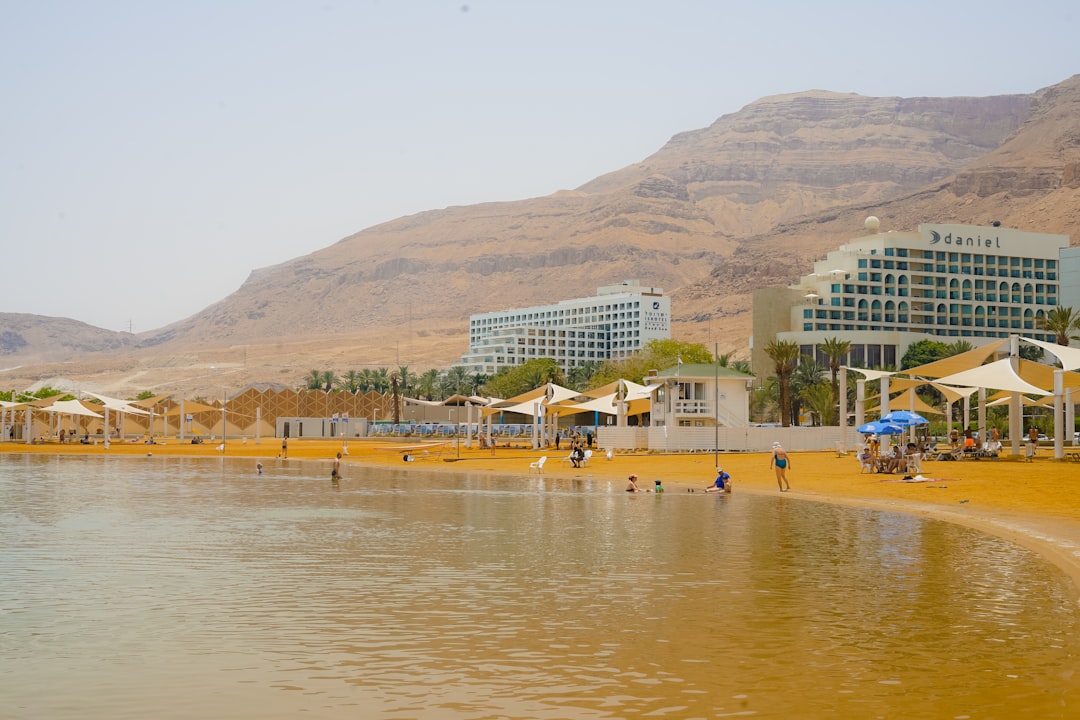
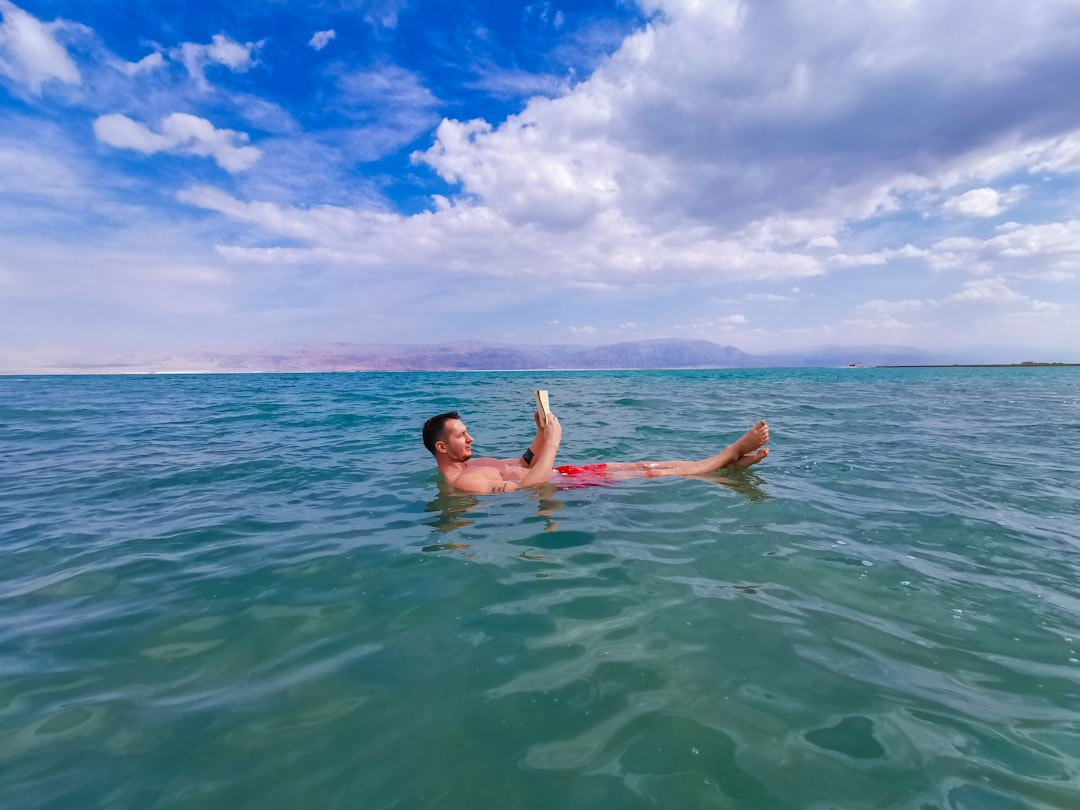
Entering the water of the Dead Sea is an experience that surprises even those who have heard about it for years. As soon as the knees surpass the surface, the body begins to be pushed upwards almost violently. Sitting on the water like on an invisible chair takes just a few seconds of letting go. The David Dead Sea Resort & Spa has a private beach equipped with sunbeds, showers, and areas to spread the famous black mud — rich in minerals like magnesium, calcium, and potassium — that collects along the shore and is traditionally used for dermatological and muscular treatments.
A concrete warning that every lifeguard in the area repeats to visitors: never bring your hands to your eyes after touching the water, and even the slightest abrasion on the skin will burn intensely upon contact with the saline solution. Those with cuts or scratches should wait for them to heal before immersing themselves. Reading in the water, with a newspaper or a book held above the surface, is the classic photographic souvenir of the place — and it really works.
The resort: structure and on-site services
The David Dead Sea Resort & Spa is one of the largest and most established hotels in Ein Bokek, with a structure that includes hundreds of rooms spread over multiple floors, heated outdoor pools, and an indoor spa that uses products based on Dead Sea minerals. The lake-view rooms offer a panorama that changes color with the light: pink at dawn, metallic silver at noon, burnt orange at sunset when the Jordanian mountains stand out on the horizon.
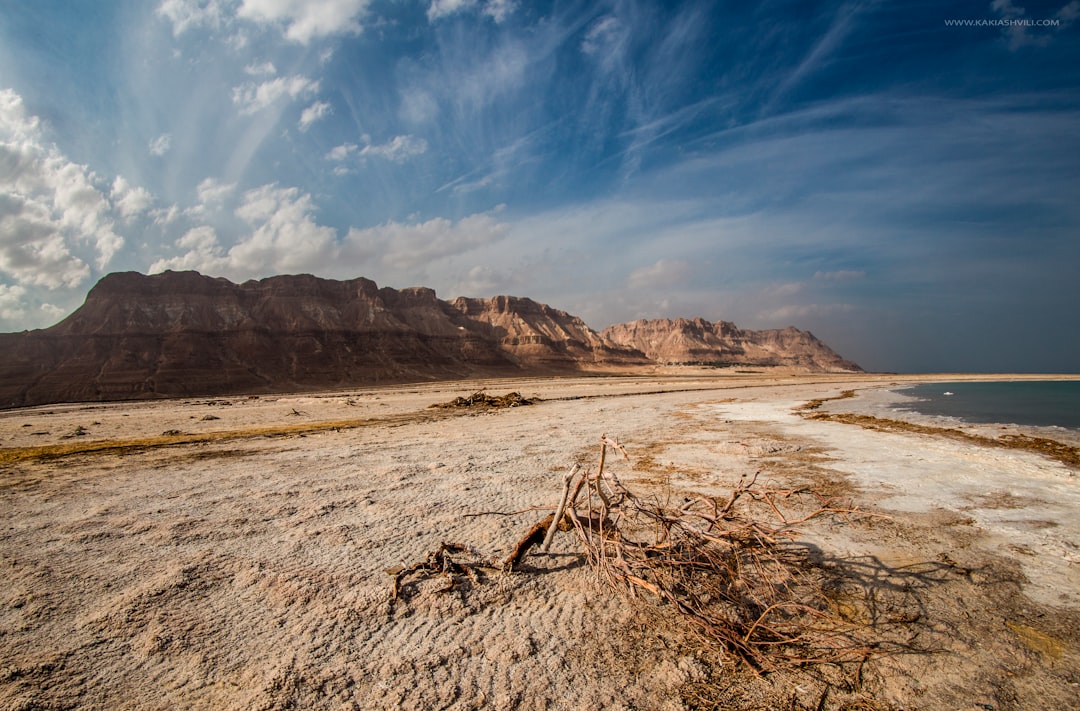
The indoor spa is particularly appreciated in the winter months, when the outside temperature drops and the lake water becomes less inviting. The treatments offered include mud baths, massages with mineral oils, and hydrothermal therapies. The prices of the treatments vary significantly, but a basic package generally costs around 150-200 Israeli shekels per single session, although rates change frequently and it is advisable to check directly with the facility.
When to go and how to organize the visit
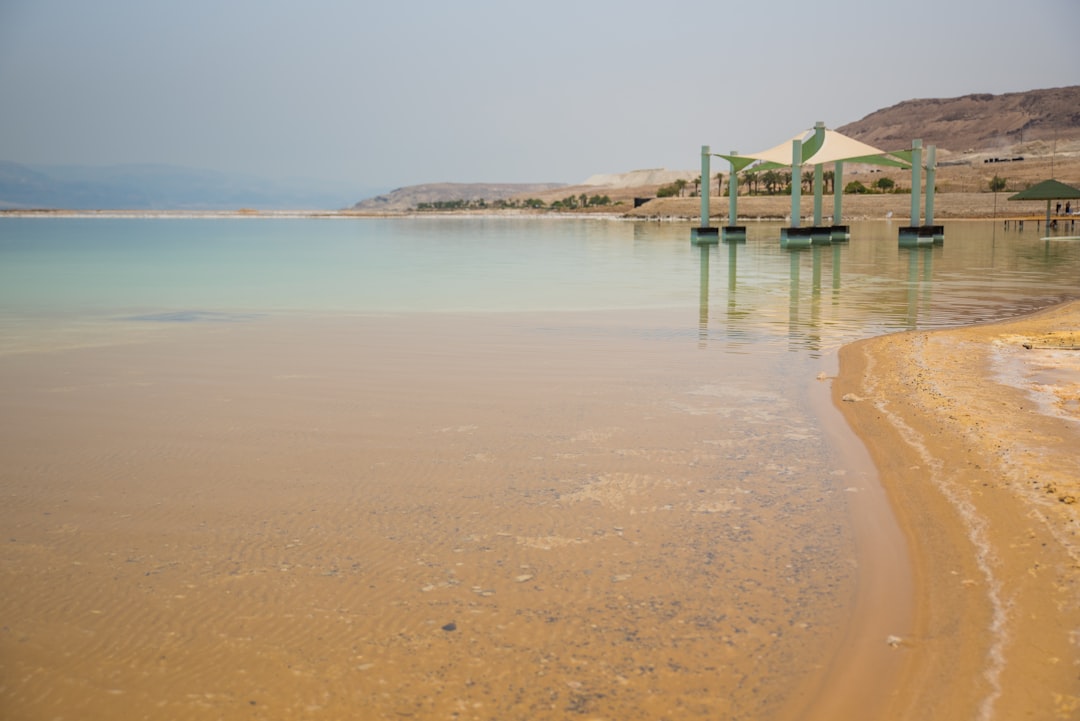
The best time to visit Ein Bokek and the Dead Sea is between October and April, when temperatures remain pleasant — between 20 and 28 degrees — and the sun is present but not overwhelming. In summer, between June and August, the heat regularly exceeds 40 degrees and being outdoors by the shore becomes exhausting even for a few minutes. The dry desert air and low altitude create very intense perceived heat conditions.
To reach Ein Bokek from Jerusalem, the most common route is Route 90 south, a journey of about 90 kilometers that crosses the Judean Desert with visually striking landscapes. The drive takes about an hour and a half. There are also public buses that connect Jerusalem to Ein Bokek, but with limited frequency. Those staying at the David Dead Sea Resort & Spa have direct access to the private beach at no additional cost, while external visitors pay a daily entrance fee that varies depending on the season.
A detail you won't forget
There is a precise moment that remains etched in the memory of those who visit the Dead Sea: the moment when, lying on the water with arms outstretched and ears submerged, one feels total silence. Around, the desert. Above, a sky almost always devoid of clouds. Below, water that does not allow sinking. It is a sensation of suspension — physical and mental — that is hard to replicate elsewhere.


