
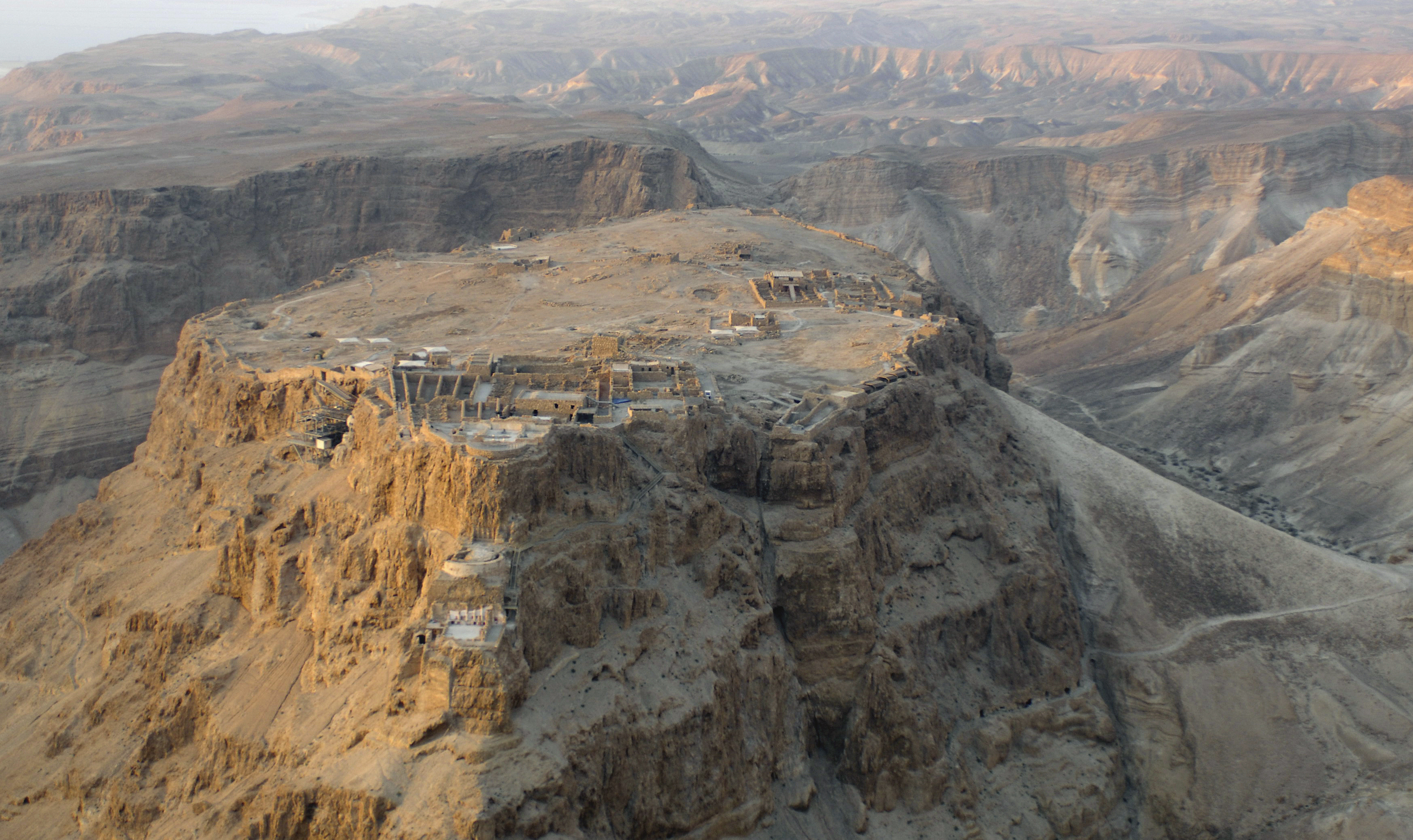

Perched atop a majestic plateau in the Judean Desert, Masada is not just a historical site; it's a testament to resilience and a symbol of Jewish heritage. This mountaintop fortress, built by King Herod the Great around 37 BCE, was strategically designed to serve as a royal refuge and military stronghold. Its dramatic history is intertwined with the First Jewish-Roman War (66-73 CE), where it became the last bastion for Jewish rebels resisting Roman rule. After a prolonged siege by Roman forces, the defenders made the harrowing choice of mass suicide over surrender, an act that resonated deeply within Jewish culture and identity. This poignant narrative of defiance and sacrifice is what draws visitors from around the globe to Masada today.
As you ascend, either by the Snake Path or the modern cable car, the breathtaking vistas of the surrounding desert and the shimmering waters of the Dead Sea unfold. The architecture of Masada reflects Herodian design, characterized by grand palaces, intricate water cisterns, and fortifications that speak volumes of ancient engineering prowess. Notably, the Northern Palace, with its stunning cliffside location, features frescoed walls and a bathhouse, showcasing the luxurious lifestyle of Herod.
Culturally, Masada stands as a beacon of Jewish tradition and remembrance. Each year, thousands gather at the site during Yom Kippur and Passover to commemorate the tragic events of 73 CE, reaffirming their connection to this storied location. The site is not only a historical monument but also a sacred space where ancient customs and modern reflection intertwine.
Culinary experiences around Masada offer a taste of local flavors, with dishes like Shakshuka, a vibrant mix of poached eggs in spicy tomato sauce, reflecting Middle Eastern influences. Local markets also tempt visitors with dates, pomegranates, and artisanal breads, allowing a taste of the region’s rich agricultural heritage. Refreshing drinks such as mint lemonade can be enjoyed, providing a perfect respite from the desert heat.
For those intrigued by lesser-known aspects of Masada, consider the hidden tunnels that were used for water storage, which are a marvel of ancient engineering. The site also holds remnants of Roman siege works, including the circumvallation wall, a testament to the scale of the Roman effort to conquer the fortress. Interestingly, a small community of Nabataean traders once inhabited the area, leaving behind their mark in the form of pottery and other artifacts.
The best time to visit Masada is during the cooler months, from October to March, when the weather is more conducive to hiking and exploration. Early morning visits are particularly magical, as the sunrise casts a golden hue over the landscape, enhancing the site's dramatic beauty and historical significance. Be sure to wear comfortable shoes and carry plenty of water, especially if you choose to hike the Snake Path.
As you explore, take a moment to appreciate the Masada Museum, which houses a collection of artifacts that narrate the story of this remarkable site. From ancient coins to pottery, each item offers a glimpse into daily life during the time of the fort's occupation.
In summary, Masada is not merely a destination; it is an experience that encompasses history, culture, and human spirit. Whether you are drawn by the historical significance, the stunning architecture, or the breathtaking views of the desert, Masada invites you to reflect on its legacy. To truly immerse yourself in the wonders of this ancient fortress, consider using the Secret World app for a personalized itinerary that will enrich your visit to this iconic site.


