

No one is born and no one dies on Delos. This rule, imposed by the ancient Athenians in the 5th century BC to preserve the sacred purity of the island, still holds today — not by religious decree, but out of necessity: Delos is uninhabited, accessible only during the day, and every evening the ferries take everyone back to Mykonos, leaving the island to the silence of seagulls and white marbles. Few experiences in the Mediterranean equal that of walking on ground that for over a thousand years was considered the religious center of the Greek world.
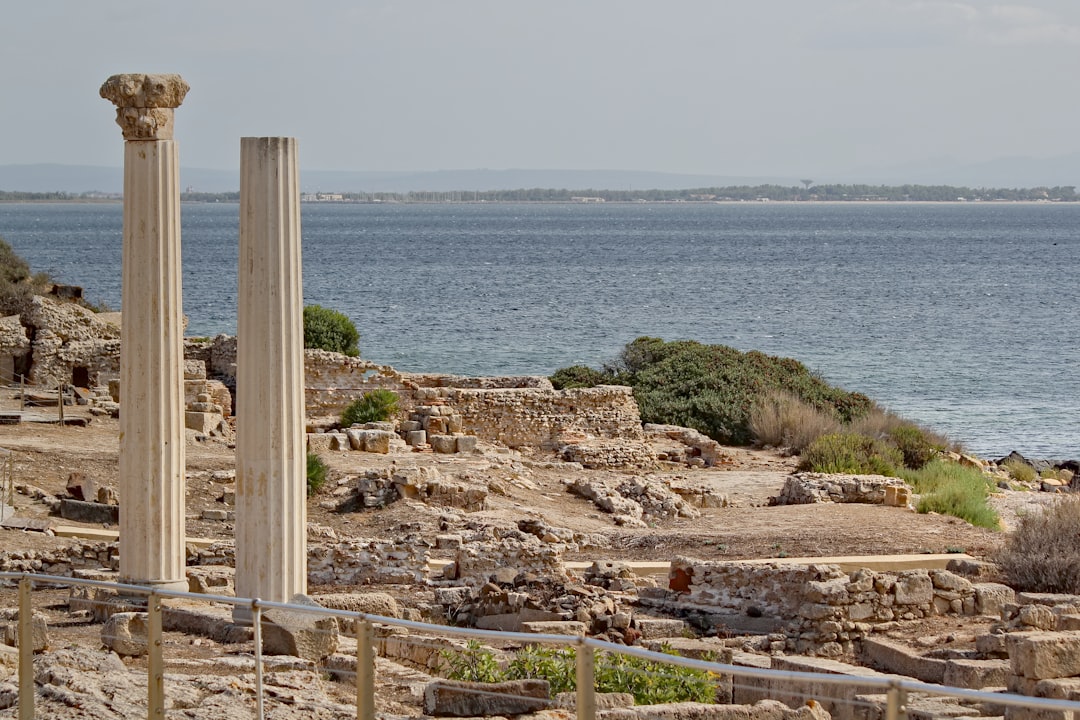
According to Greek mythology, Delos was the place where Leto gave birth to Apollo and Artemis, clinging to a sacred palm tree. This myth transformed a small island of only five square kilometers into one of the most revered sanctuaries of antiquity, a destination for pilgrims from all over the Mediterranean. The ruins that can be visited today cover centuries of historical layering, from archaic times to the Hellenistic and Roman periods, and are protected by UNESCO as a World Heritage site.
The Sanctuary of Apollo and the Terrace of the Lions
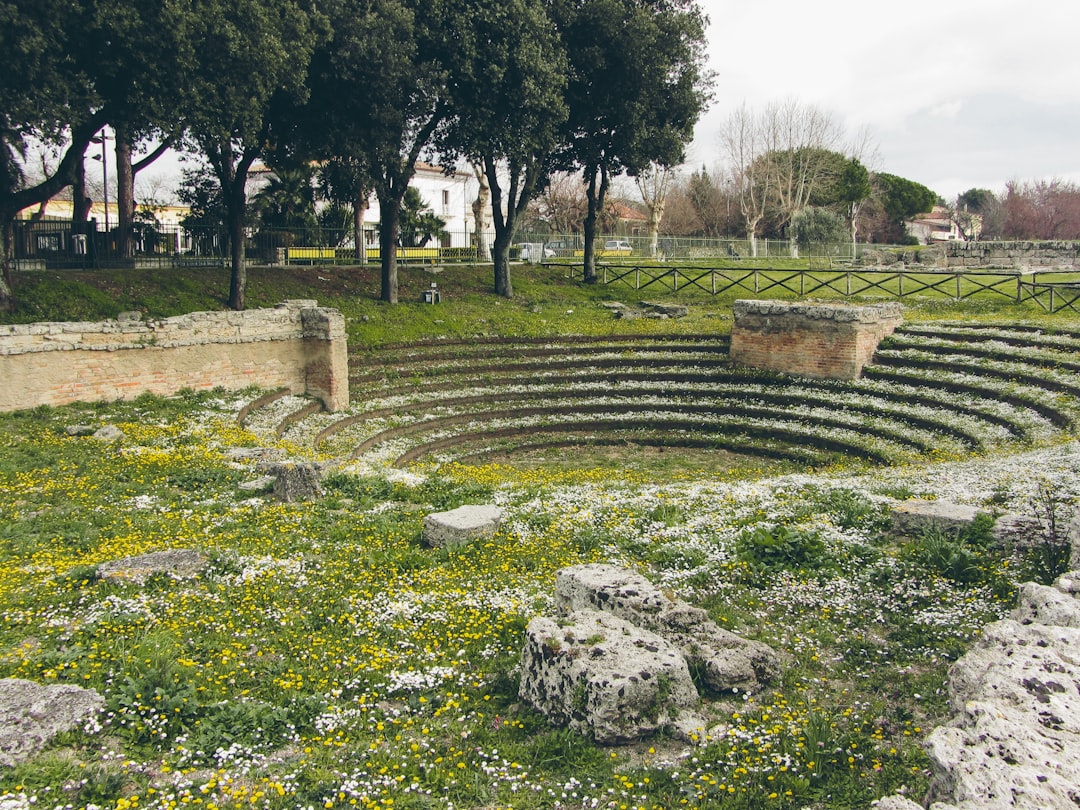
The beating heart of the site is the Sanctuary of Apollo, a complex of temples built in later periods. The oldest, the so-called Temple of the Naxians, dates back to the 7th century BC and was financed by the inhabitants of Naxos, who wanted to assert their religious influence over the island. Not far away are two other temples dedicated to Apollo, erected in the 5th and 4th centuries BC, whose column drums still lie on the ground like pieces of a giant puzzle never reassembled.
Not far from the sanctuary is the Terrace of the Lions, one of the most iconic images of Delos. Originally, there were sixteen marble sculptures from Naxos that lined the sacred avenue, probably donated in the 7th century BC. Today, five remain in situ — faithful copies, as the originals are kept in the local museum to protect them from erosion — but their presence, with their open jaws facing the now-dry sacred lake, still conveys an extraordinary visual power.
The Houses of the Merchants and the Mosaics
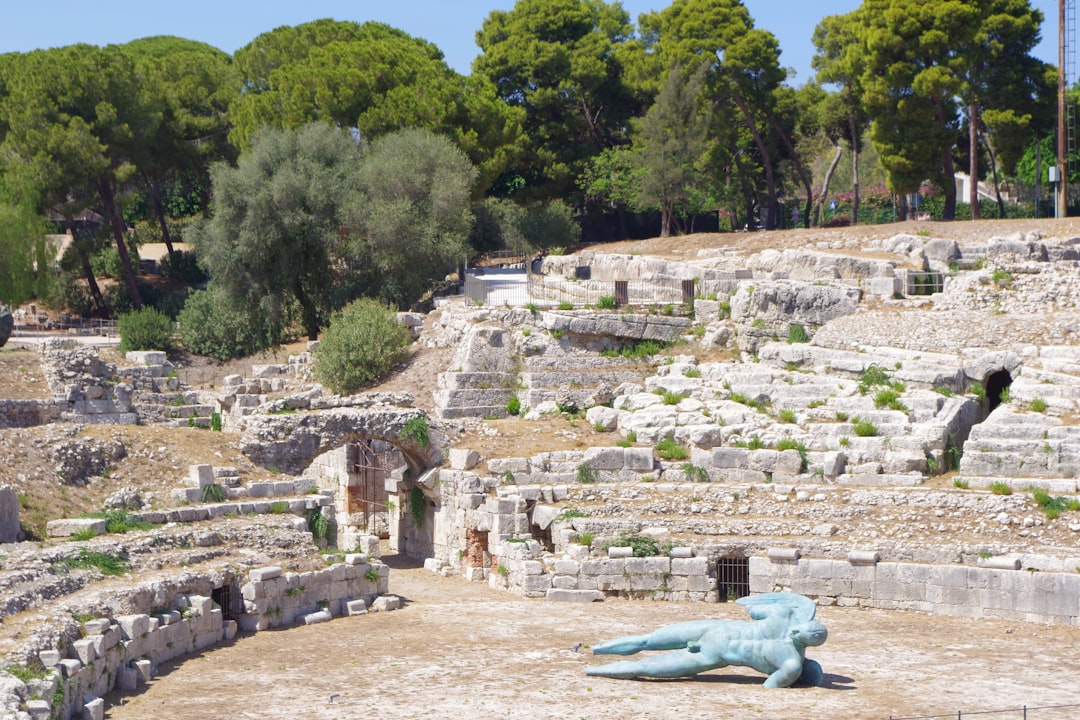
Delo was not only a place of worship: in the 2nd century BC it was also one of the most active commercial ports of the eastern Mediterranean, with an estimated population of about twenty thousand inhabitants. The residential area, which extends south of the sanctuary, preserves some of the best-preserved private homes of the ancient world. The House of Dionysus and the House of the Masks house floor mosaics of extraordinary quality, still visible on site: figures of dolphins, panthers, theatrical masks, and the famous Dionysus riding a panther, made with colored marble tiles in the 2nd century BC.
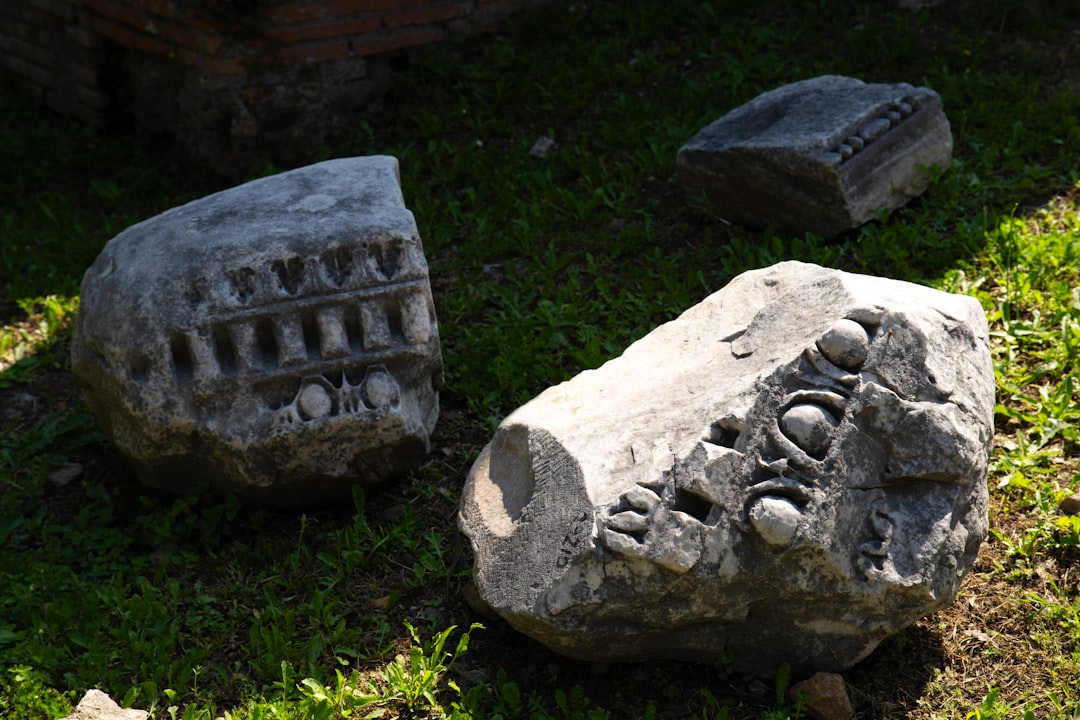
Walking through these paved streets, with the walls of the houses still reaching shoulder height, allows one to imagine the daily life of Italic, Greek, and Eastern merchants coexisting in this cosmopolitan crossroads. The inscriptions on the thresholds, the cisterns for collecting rainwater, the peristyles with central wells: every detail tells the story of a real city, not just a temple.
The Archaeological Museum of Delos
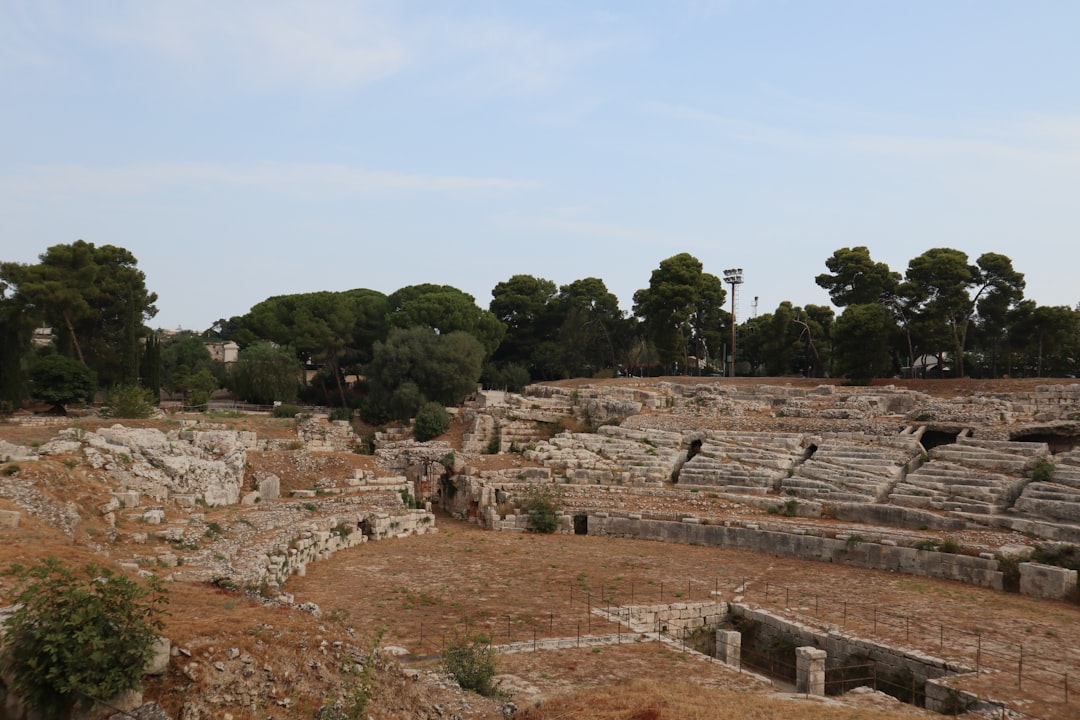
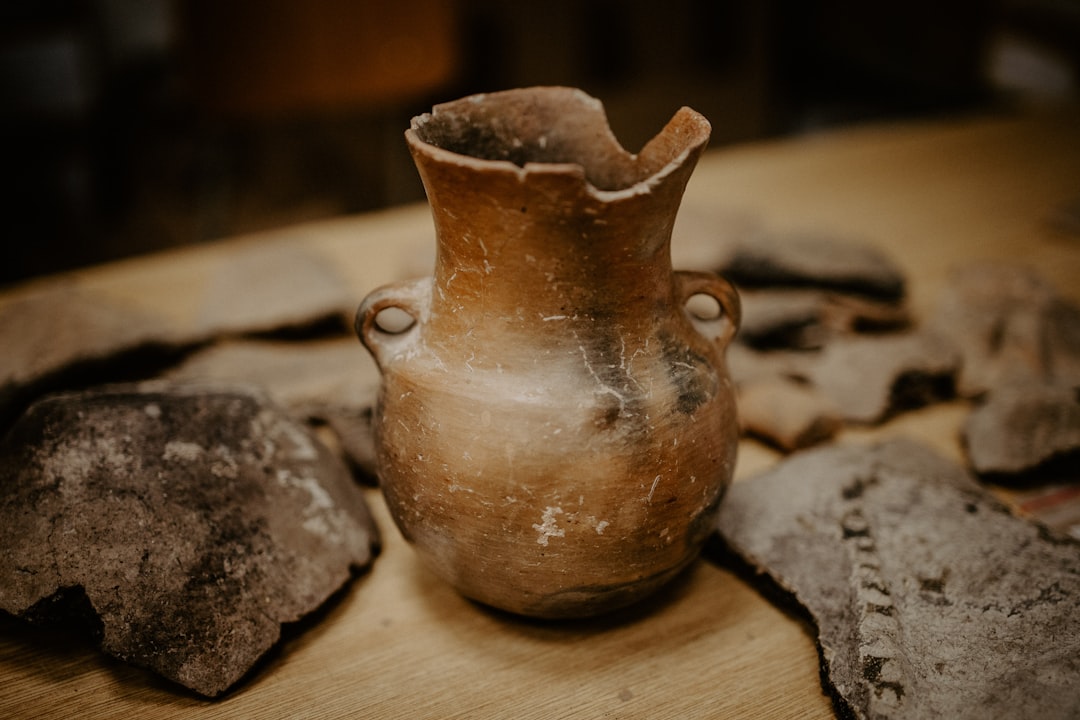
Inside the site is the Archaeological Museum of Delos, which houses a large part of the artifacts found during the excavations conducted by the French School at Athens since the end of the 19th century. The rooms display sculptures, ceramics, jewelry, and votive objects that span almost a millennium. The original lions of the Terrace, exhibited in a dedicated room, allow visitors to appreciate up close the quality of archaic Greek sculpture and the signs of time that have polished them.
The museum deserves at least an hour of independent visiting, preferably in the central part of the day when the sun outside is more intense and the coolness of the rooms offers a pleasant refuge.
How to Visit Delos: Practical Information
Delos can only be reached by ferry from Mykonos: the crossing takes about thirty minutes and departures typically occur in the morning, with returns in the early afternoon. It is essential to check the updated schedules at the port of Mykonos, as they vary according to the season. The entrance ticket to the site, which includes the museum, is purchased directly on the island.
The minimum recommended time for a satisfactory visit is three hours, but those who want to explore the residential area and the ancient theater should plan for a little over four hours. Bringing enough water is essential: there are no fountains on the island and the only refreshment point has limited availability. Comfortable, closed shoes are essential, as the ground is uneven and scattered with marble fragments. The months of April, May, and October offer milder temperatures and reduced tourist flows compared to summer, making the visit easier and more contemplative.


