

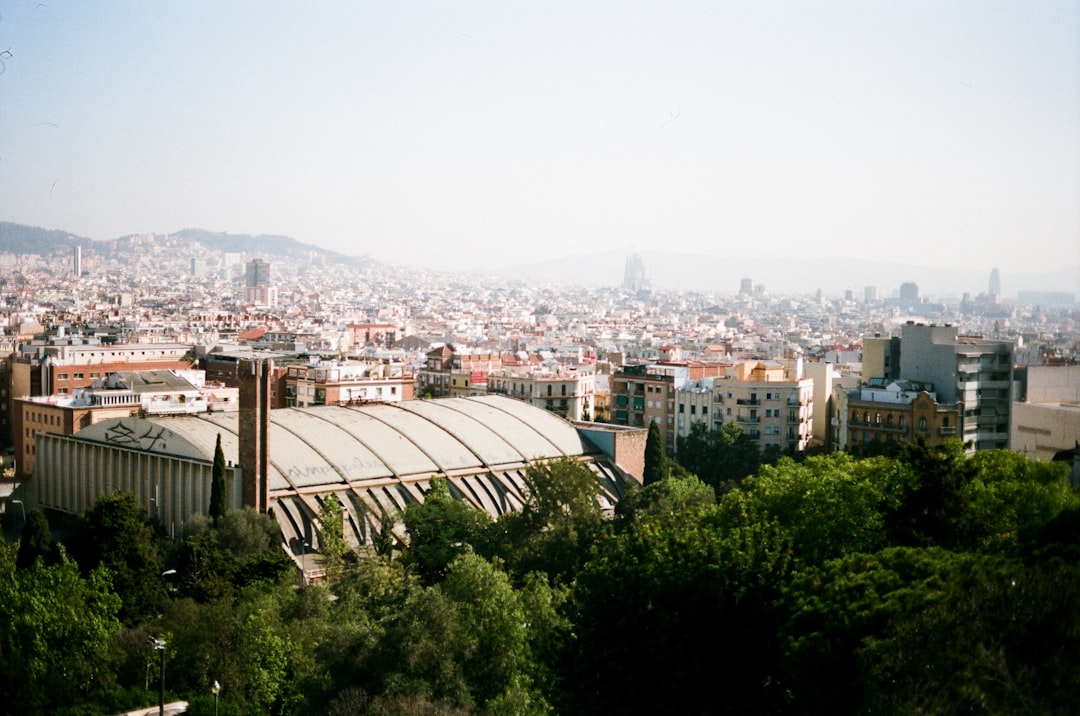
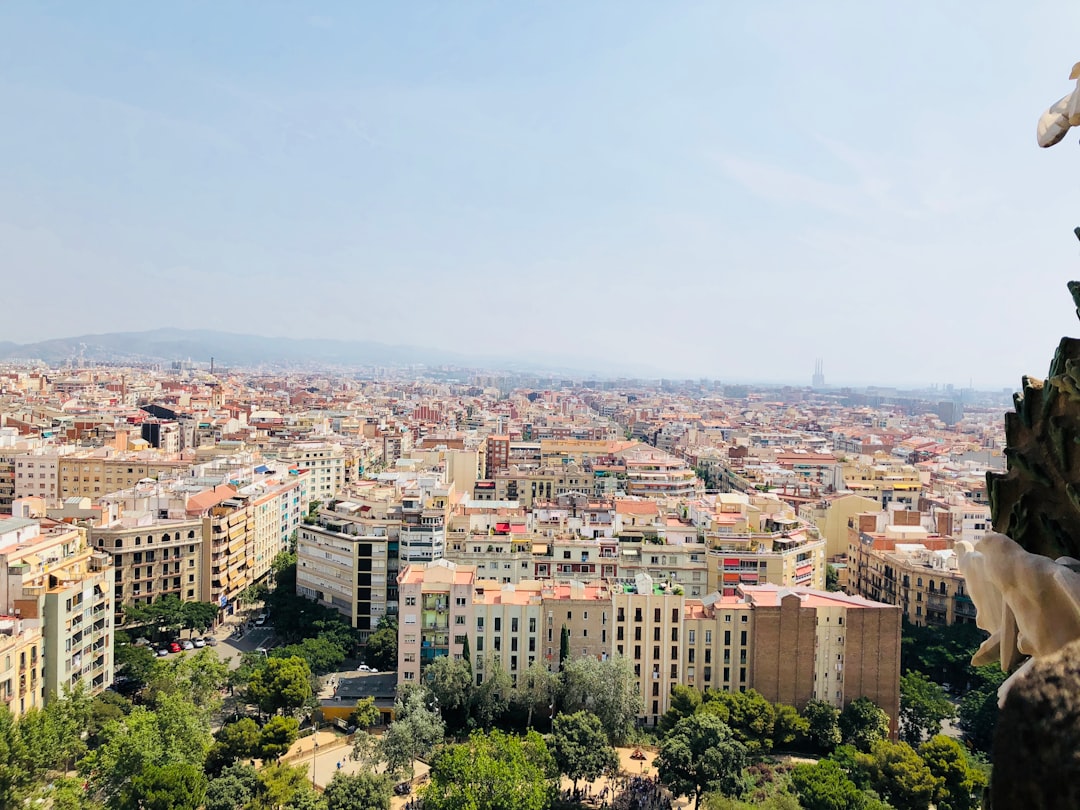
Nestled in the hilly terrain of Barcelona, the neighborhood of Gracia is often dubbed the city's "green lung." This vibrant area is not just a picturesque enclave dotted with parks; it is a living testament to the rich history and culture that has shaped this part of the city.
History and Origins
The origins of Gracia trace back to the mid-19th century when it was an independent village known as Gràcia de Sants. Originally a farming community, it began to flourish after the industrial expansion of Barcelona in the late 1800s. In 1897, Gracia was officially incorporated into Barcelona, but it has retained a distinct identity characterized by its bohemian spirit and charming streets.
Historically, Gracia has been a hotbed of political and social activism. The area was the site of significant events during the Spanish Civil War (1936-1939), where local residents played an active role in the struggle against fascism. These roots in social movements continue to resonate today, as Gracia remains a hub for alternative culture and grassroots activism.
Art and Architecture
Gracia is celebrated for its unique architecture, with many buildings showcasing the distinct Modernisme style that dominates Barcelona. The most iconic site is Parc Güell, designed by the legendary architect Antoni Gaudí. This UNESCO World Heritage site, completed in 1914, features whimsical structures, colorful mosaics, and serpentine benches, all harmoniously integrated into the landscape.
In addition to Parc Güell, visitors can find numerous lesser-known architectural gems throughout the neighborhood. Casa Ramos, designed by Jaume Torres i Grau, is a stunning example of Modernisme with its intricate floral motifs and organic shapes. Gracia’s winding streets are also home to beautiful plazas, such as Plaça del Sol, where locals gather, creating a vibrant atmosphere infused with art and creativity.
Local Culture and Traditions
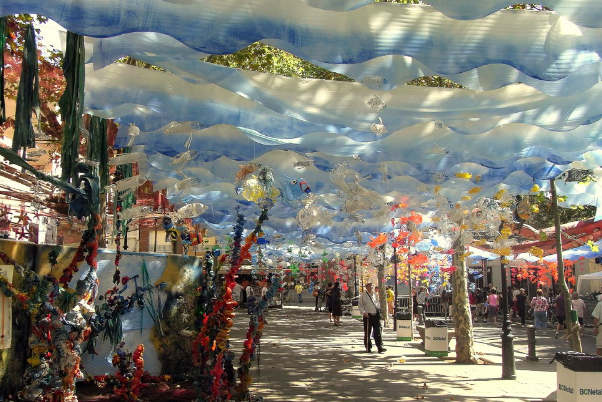
Gracia is synonymous with local pride and cultural vibrancy. One of the most anticipated events is the Festa Major de Gracia, held annually in mid-August. This week-long festival transforms the neighborhood into a feast for the senses, with streets decorated in elaborate themes, live music, and culinary delights. The community spirit shines through as residents compete for the title of best-decorated street, often using recycled materials to create stunning visual displays.
Another notable cultural tradition is the Castells, the human towers that represent Catalan heritage. Though not exclusive to Gracia, the neighborhood boasts several teams that participate in these breathtaking displays of balance and teamwork during local festivities.
Gastronomy
The culinary scene in Gracia reflects its diverse community and rich traditions. One must-try dish is Esqueixada, a refreshing salad made with shredded salt cod, tomatoes, and onions, representing the Mediterranean influence prevalent in Barcelona’s cuisine. Additionally, local tapas bars serve a variety of small plates, including patatas bravas, crispy potatoes served with spicy sauce, and pimientos de padrón, small green peppers that are sautéed and sprinkled with sea salt.
For those with a sweet tooth, the neighborhood is home to quaint bakeries offering coca de llardons, a traditional Catalan pastry made with pork cracklings, best enjoyed with a cup of hot chocolate. Pair your culinary explorations with a glass of Vermouth, a popular aperitif that is often enjoyed in Gracia’s lively plazas, making for a delightful local experience.
Lesser-Known Curiosities
While Gracia boasts many well-known attractions, it also harbors hidden gems that are often overlooked. One such spot is the Viaducte de Vallcarca, an architectural marvel that offers stunning views of the surrounding hills and the city below. This charming bridge is a favorite among photographers looking to capture the essence of Barcelona.
Additionally, the neighborhood is home to the Mercat de Gracia, a local market that features fresh produce, artisanal cheeses, and local delicacies. Here, you can immerse yourself in the daily life of Gracia’s residents and discover the flavors that define Catalan cuisine.
Practical Visitor Information
The best time to visit Gracia is during the spring and early fall when the weather is pleasant, and outdoor activities abound. To explore the neighborhood, consider walking or renting a bicycle, as many of its picturesque streets are pedestrian-friendly.
When visiting Parc Güell, booking a timed entry ticket in advance is advisable due to its popularity. Additionally, take the opportunity to wander through the lesser-known streets, where you can find charming cafes and boutiques that showcase local craftsmanship.
Gracia is a neighborhood that invites exploration, offering a blend of history, culture, and natural beauty. With its parks, architecture, and vibrant community life, it provides a refreshing contrast to the bustling center of Barcelona.
For a personalized journey through this enchanting neighborhood, consider using the Secret World app to curate your own itinerary in Barcelona.


