


Set in the natural beauty of Jeju Island, Hallasan is a shield volcano that majestically rises to 1,947 meters, representing the highest point in South Korea. This extraordinary mountain is not only a symbol of the island but also an integral part of Hallasan National Park, a protected area that attracts numerous visitors each year in search of adventure and contemplation. With a fascinating geological history and unique biodiversity, Hallasan offers an unforgettable experience for those wishing to explore the unspoiled nature of Korea.

The mountain, also known by alternative names such as Hanla Mountain, is enveloped in local legends and traditions. Its grandeur and natural beauty make it a must-visit destination for hikers, nature lovers, and tourists seeking breathtaking views. The variety of trails, winding through lush forests and volcanic landscapes, makes it accessible to everyone, from beginners to experts.
Why It's Worth the Trip
Visiting Hallasan is not just an opportunity to climb the highest mountain in Korea, but also a journey through the geological history of the island. Its formation, which occurred about 1.8 million years ago, has given rise to a rich and varied ecosystem, hosting numerous species of endemic flora and fauna. The mountain is considered one of the three main elevations in South Korea, along with Jirisan and Seoraksan, and is a place of great cultural and natural significance.
Moreover, Hallasan is a landmark for adventure tourism. Hiking within it offers the chance to immerse oneself in spectacular landscapes, with panoramic views extending to the horizon. Each season provides a different experience: in spring, wildflowers burst into vibrant colors, while in autumn, the foliage creates a mosaic of warm tones. The mountain invites you to reconnect with nature and discover the wild beauty of Jeju.

Landscape and Atmosphere
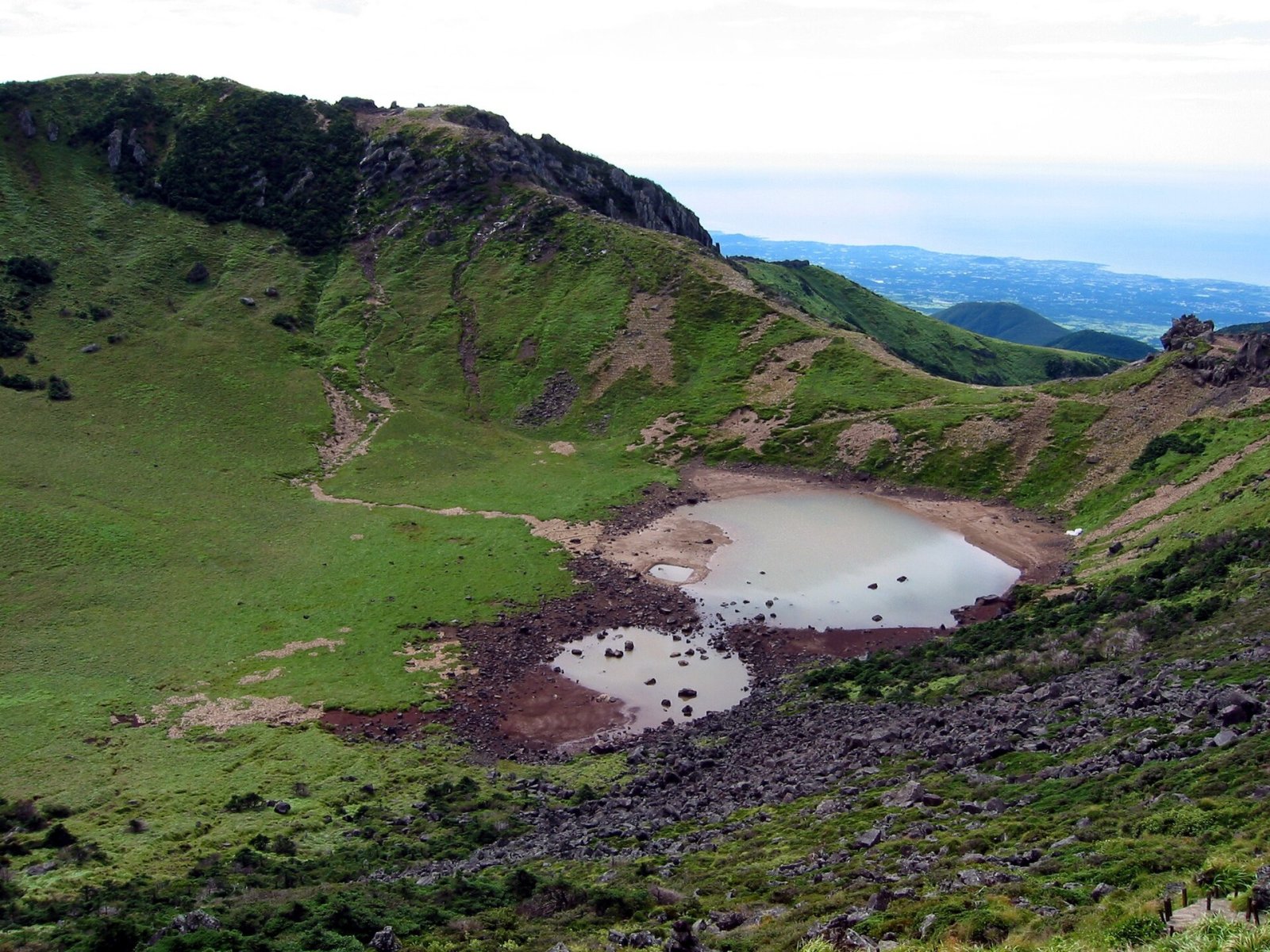
The landscape of Hallasan is characterized by a variety of ecosystems, from coniferous forests to alpine meadows. The vegetation is dense and lush, creating an ideal refuge for many species of birds and animals. The trails wind through enchanting forests and offer picturesque glimpses of lakes and volcanic craters, silent witnesses to the power of nature. The tranquility felt during hikes is palpable, making each step a moment of reflection and wonder.
The summit of Hallasan, with its crater and the lake that characterizes it, offers a breathtaking panorama. From here, one can observe the entire island of Jeju and, on clearer days, the surrounding sea. The atmosphere is magical, almost mystical, inviting you to pause and contemplate the force of nature. Every visitor can sense the deep connection between the mountain and the local culture, making Hallasan not just a place to visit, but an experience to live.
What to See and Do
In addition to hiking, Hallasan offers various activities for nature lovers. The well-marked trails allow for the selection of routes of varying difficulty, suitable for all levels of experience. The most popular hike is the one that leads to the summit, but there are also shorter paths that lead to strategic viewpoints, where you can stop and admire the surrounding landscape. Along the way, it is not uncommon to encounter rare plant species and enchanting views.
Additionally, Hallasan National Park is an ideal place for birdwatching and photographing local flora. Visitors can also participate in guided tours, which provide insights into the geology and biodiversity of the area. Don't forget to bring a camera: every corner of Hallasan deserves to be captured, from the snow-capped peaks in winter to the wildflowers in spring.
Practical Information for Visitors
To reach Hallasan, you can use public transport or rent a car. The mountain is easily accessible from Jeju City, with several bus stops leading to the park entrance. It is advisable to start hikes early in the morning to avoid crowds and enjoy cooler temperatures. The trails are open year-round, but it is important to check weather conditions before setting out.
Be sure to wear appropriate clothing and hiking shoes, as the terrain can be uneven. Bringing water and snacks is essential, as dining facilities are limited within the park. Finally, don't forget to download the Secret World app to further explore the hidden treasures of Jeju.


