
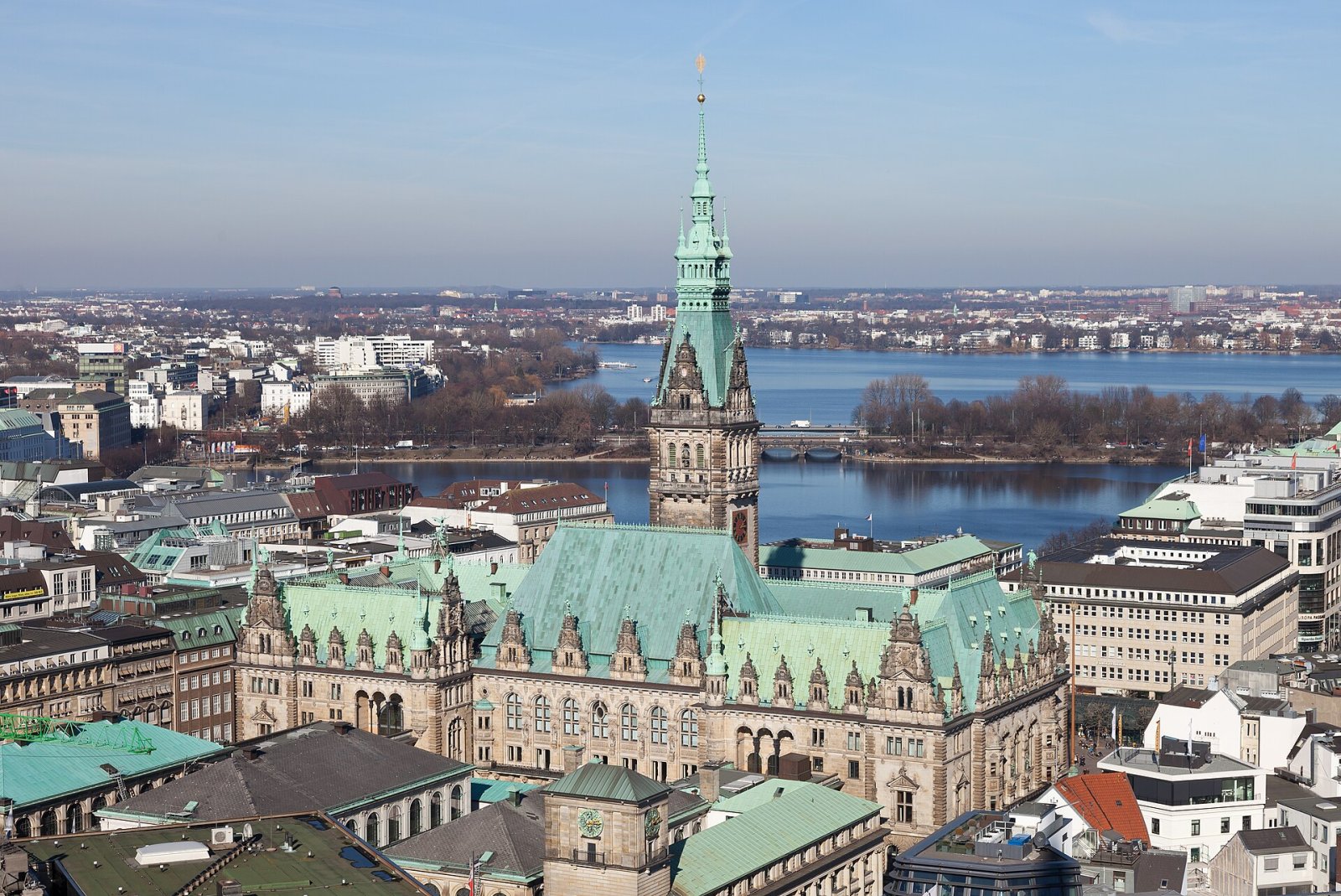

The Hamburg Rathaus, the town hall of Hamburg, is an architectural gem located in the heart of the city, representative of its rich history and importance as a commercial and cultural center. With an imposing facade and architectural details that tell stories of past eras, this building is much more than just a workplace for local officials; it is a symbol of the city's determination and autonomy.
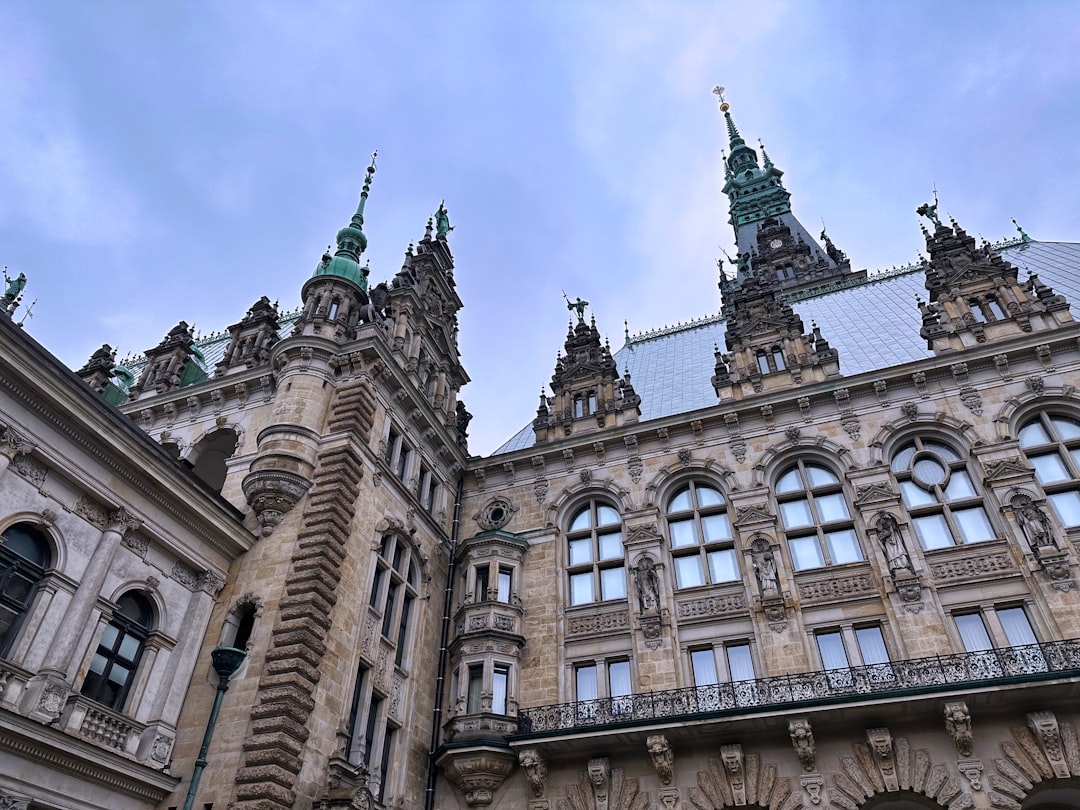
Built between 1886 and 1897, the Hamburg Rathaus is an extraordinary example of neo-Renaissance architecture, with baroque influences. Its soaring tower, standing 112 meters tall, is visible from afar and offers a spectacular view of the city. Inside, visitors can admire rooms decorated with frescoes and artworks that reflect the culture and history of Hamburg.
History and Origins
The history of the Hamburg Rathaus is closely linked to that of the city itself, which for centuries enjoyed a status of autonomy and commercial power. This building replaces the old town hall, destroyed by a fire in 1842, and its design was entrusted to the architect Hermann D. W. B. von Schinkel, a well-known name in the German architectural landscape. The current building, completed at the end of the 19th century, represents the rebirth of Hamburg as an important economic and cultural center of Northern Europe.
The Hamburg Rathaus has witnessed many significant historical events, including political changes during the two world wars and the division of Germany. Today, the building is not only a place of administration but also a landmark that attracts visitors from all over the world, eager to learn about the city's history.
Elements to Observe
One of the main elements to observe at the Hamburg Rathaus is its ornate facade, which features over 20 statues of historical and mythological figures, each telling a part of Hamburg's story. Upon entering, visitors can explore the grand council chamber, a majestic environment decorated with frescoes and stuccos that celebrate the wealth and importance of the city in the past.
No less fascinating is the clock tower, whose bell rings every hour, drawing the attention of those strolling nearby. The interiors of the building, with their elaborate decorations and precious materials, offer a glimpse into the art and architecture of the era, making every visit a memorable experience.
Why It Is Interesting Today
Today, the Hamburg Rathaus is not only a symbol of Hamburg's history but also a lively place where cultural events, markets, and public celebrations take place. The square in front is often animated by concerts and demonstrations, making the surrounding area a meeting point for residents and tourists. This mix of history and contemporary life makes the Hamburg Rathaus a fascinating place to visit.
Moreover, its central location allows for easy exploration of other attractions in Hamburg, such as the port and historic neighborhoods. The combination of architectural beauty and cultural vibrancy makes the Hamburg Rathaus a must-see for anyone visiting the city, offering an experience that unites past and present.
Practical Information for Visitors
To visit the Hamburg Rathaus, it is advisable to check the opening hours and any restrictions due to special events or renovation work in advance. Admission is free, but some areas may require a guide for thorough exploration. Guided tours are available that provide detailed information about the history and architecture of the building.
The central location of the Rathaus makes it easily accessible by public transport, and there are numerous restaurants and cafes nearby where you can stop for a meal or coffee after your visit. For a complete experience, consider using the Secret World app to discover more details and curiosities about the city and its wonders.


