
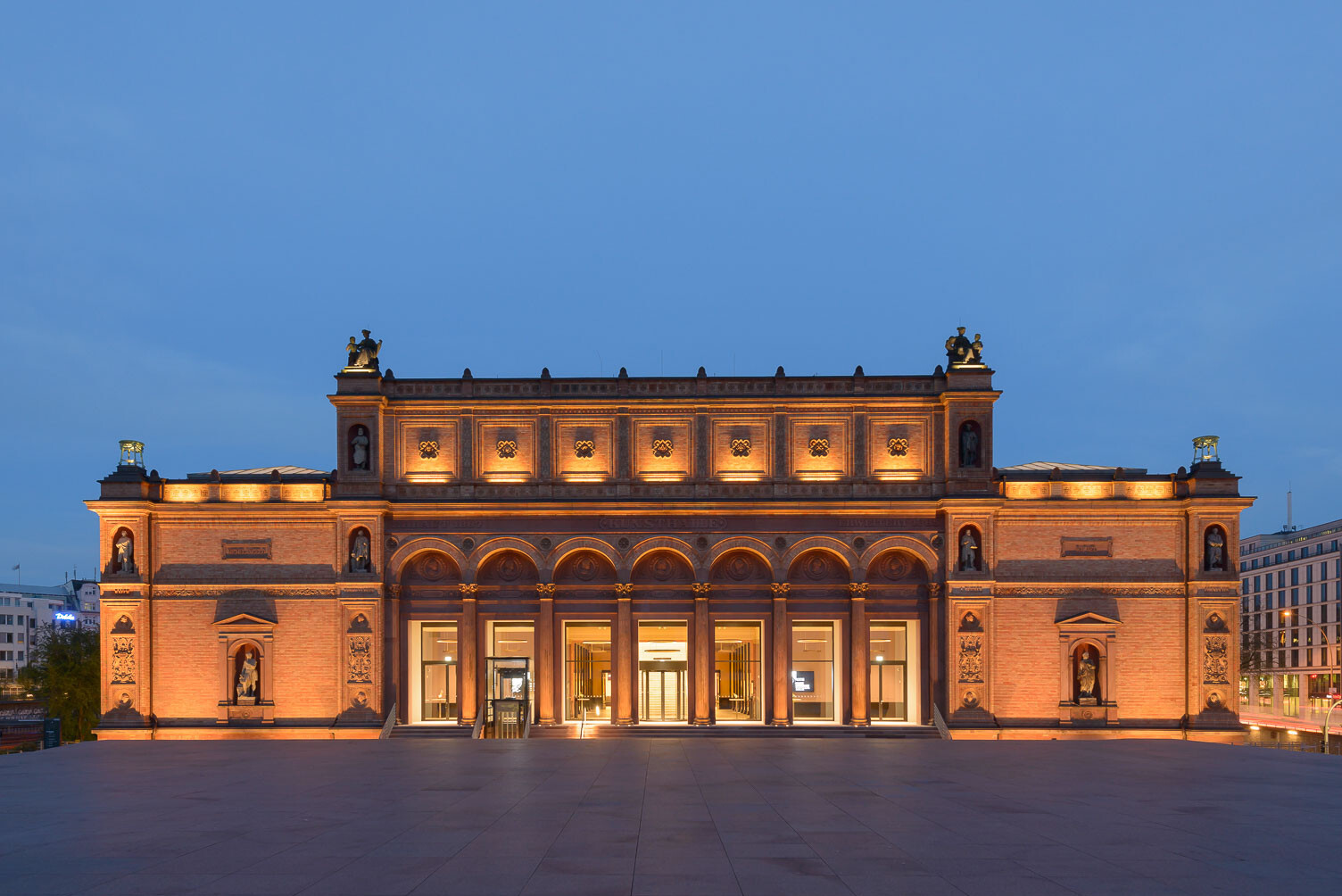

In the heart of Hamburg, the Hamburger Kunsthalle stands as a testament to the city's rich artistic heritage, inviting visitors to immerse themselves in centuries of European art. As one of Germany's largest and most significant art museums, it not only showcases remarkable collections but also serves as a cultural hub in the Free and Hanseatic City of Hamburg.
History and Origins
The roots of the Hamburger Kunsthalle trace back to its founding in 1850. Originally conceived as an art hall (Kunsthalle in German), the museum emerged from a desire to cultivate an appreciation for the arts in Hamburg. The museum's establishment was spearheaded by the Hamburg artist Adolph von Menzel, who sought to create a space that would house and promote art beyond the confines of private collections.
Over the years, the Kunsthalle has undergone significant transformations. The original building, designed by architect Georg Sartorius, opened its doors in 1869. This was followed by expansions in 1921 and 1997, with the latter reflecting a contemporary architectural vision while seamlessly connecting with the historical structures. The museum's evolution mirrors Hamburg's own history, as it rose to prominence as a cultural and economic center in Northern Germany.
Art and Architecture
The Hamburger Kunsthalle boasts an impressive collection that spans over seven centuries of European art. One of the museum's highlights is its focus on North German painting from the 14th century, featuring works by artists such as Hans Holbein the Younger and Albrecht Dürer. Visitors can also marvel at masterpieces from the Dutch and Flemish schools of the 16th and 17th centuries, showcasing artists like Rembrandt and Jan Vermeer.
The museum's architecture is a blend of historical grandeur and modern design. The original 19th-century façade, with its neoclassical elements, contrasts beautifully with the sleek lines of the contemporary wing, designed by Riegler Riewe Architekten. The interplay between old and new not only enhances the visitor experience but also symbolizes Hamburg's dynamic cultural landscape.
Local Culture and Traditions
Hamburg is known for its vibrant traditions, many of which are reflected in the artistic expressions found within the Kunsthalle. The city's annual Hamburg Art Week, typically held in September, celebrates art in all forms, from exhibitions to workshops, drawing locals and tourists alike to engage with the creative community.
Another notable event is the Alstervergnügen, a festival that takes place along the banks of the two Alster lakes. This celebration of local culture features art installations, performances, and culinary delights, highlighting Hamburg’s deep-rooted connection to the arts.
Gastronomy
A visit to the Hamburger Kunsthalle is incomplete without indulging in local culinary delights. Hamburg is famed for its frische Fischbrötchen (fresh fish sandwiches), often enjoyed with a side of hausgemachter Remoulade. The nearby Fischmarkt, open on Sunday mornings, is a perfect spot to sample this local specialty.
For those with a sweet tooth, the city offers Rote Grütze, a traditional red fruit pudding served with vanilla sauce. Pairing this with a cup of German coffee or a local brew from one of Hamburg's craft breweries completes the gastronomic experience.
Lesser-known Curiosities
While the prominent artworks draw significant attention, some hidden gems within the Kunsthalle are often overlooked. One such curiosity is the museum's collection of drawings and prints from the 19th century, which includes a rare group of sketches by Vincent van Gogh. These provide insight into the artist's creative process and are a must-see for art enthusiasts.
Additionally, the museum’s Gothic Hall houses an intriguing series of stained glass windows, which tell stories from Hamburg’s maritime past, connecting visitors to the city's rich history as a trading port.
Practical Visitor Information
The best time to visit the Hamburger Kunsthalle is during weekdays to avoid larger crowds, especially in the morning hours. Plan for at least two to three hours to fully appreciate the extensive collections and temporary exhibitions. Don't miss the museum shop, which offers a selection of art books and unique souvenirs.
For those seeking a deeper understanding of the artworks, consider joining one of the guided tours available in English and German. These tours can enhance your experience, providing context and insights that bring the art to life.
To explore all that Hamburg has to offer, including the Hamburger Kunsthalle and its surrounding cultural landmarks, consider using the Secret World app to craft a personalized itinerary that suits your interests and pace.


