
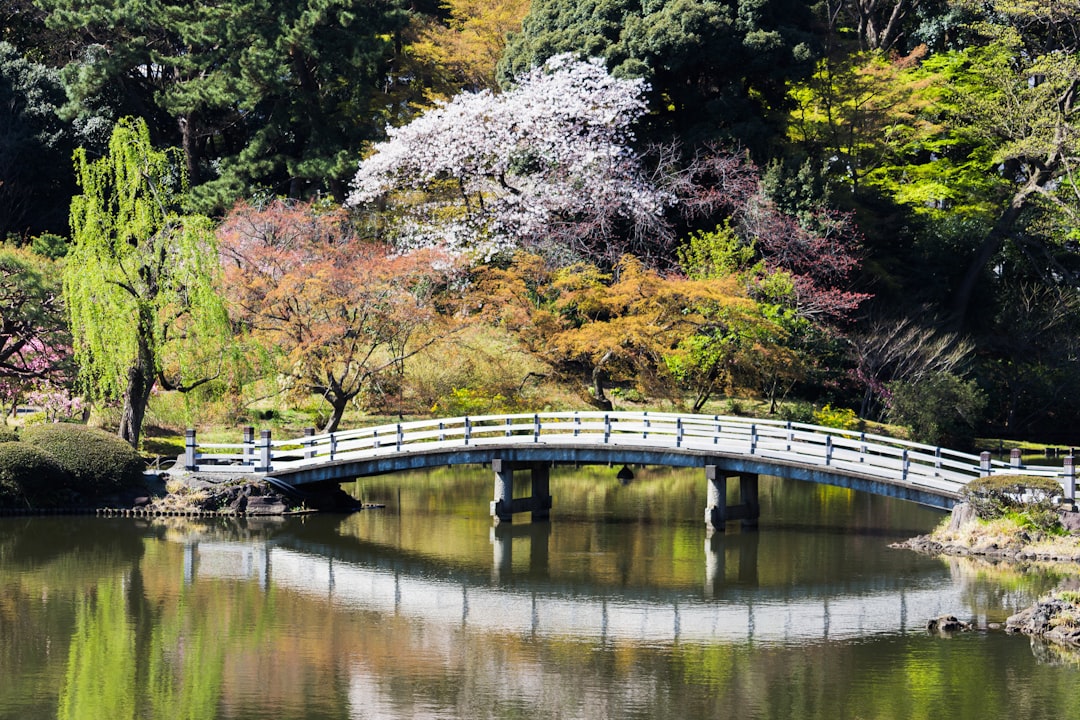

In the bustling heart of Tokyo, amidst skyscrapers and frenzy, lies an oasis of tranquility: Shinjuku Gyoen. This vast park, covering an area of 58.3 hectares, is a place where nature merges with Japanese culture, offering visitors a unique experience of beauty and serenity. Established during the Meiji period as an imperial garden, Shinjuku Gyoen is now open to the public and serves as an ideal refuge for those looking to escape the urban chaos.
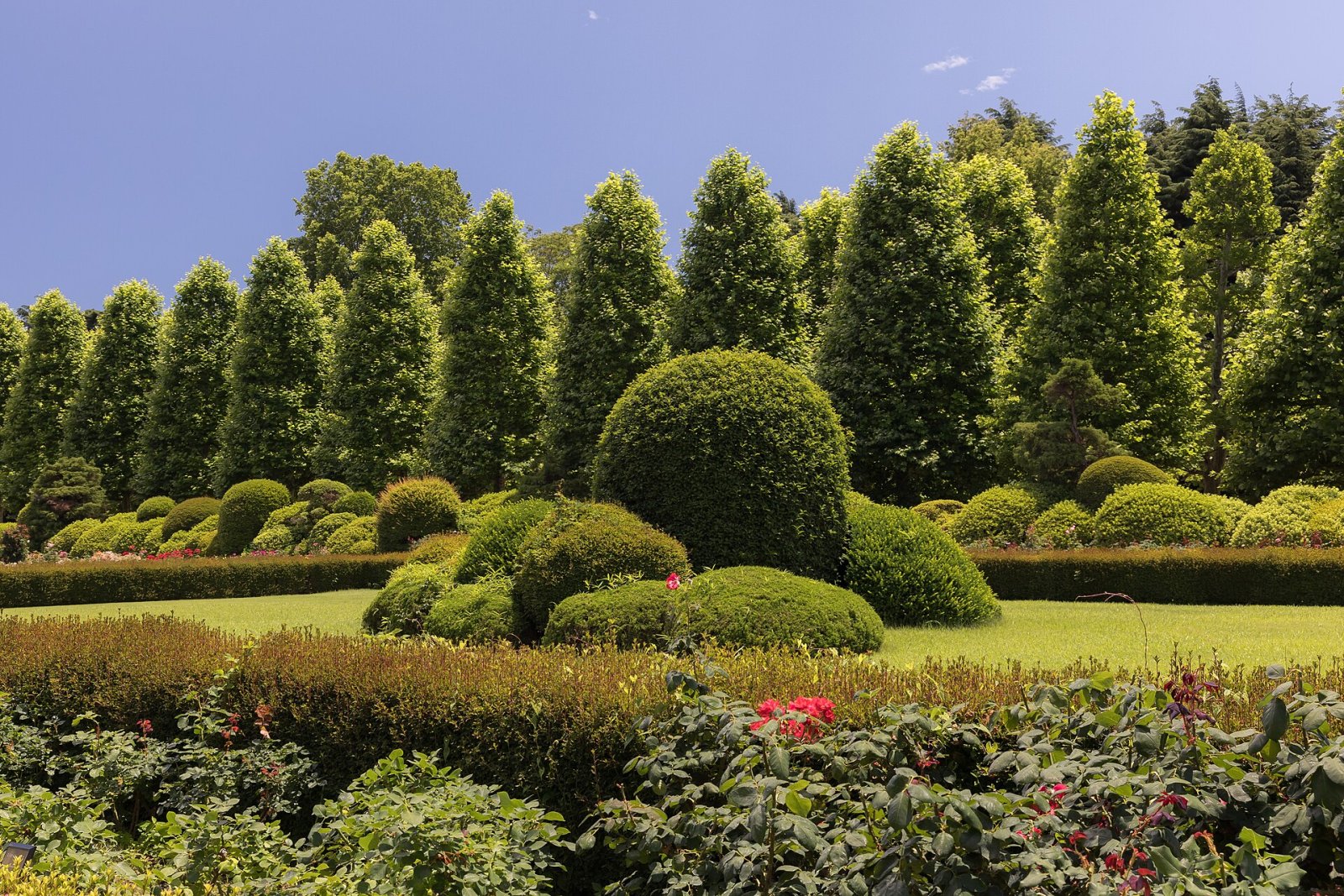
The park is famous not only for its breathtaking landscapes but also for its botanical diversity. Here, you can admire over 1,500 cherry trees, which in spring bloom with pink flowers, attracting visitors from all over the world. The combination of traditional Japanese gardens, English landscape gardens, and French gardens makes Shinjuku Gyoen a meeting place of different cultures and a perfect example of Tokyo's natural beauty.
Why It's Worth the Trip
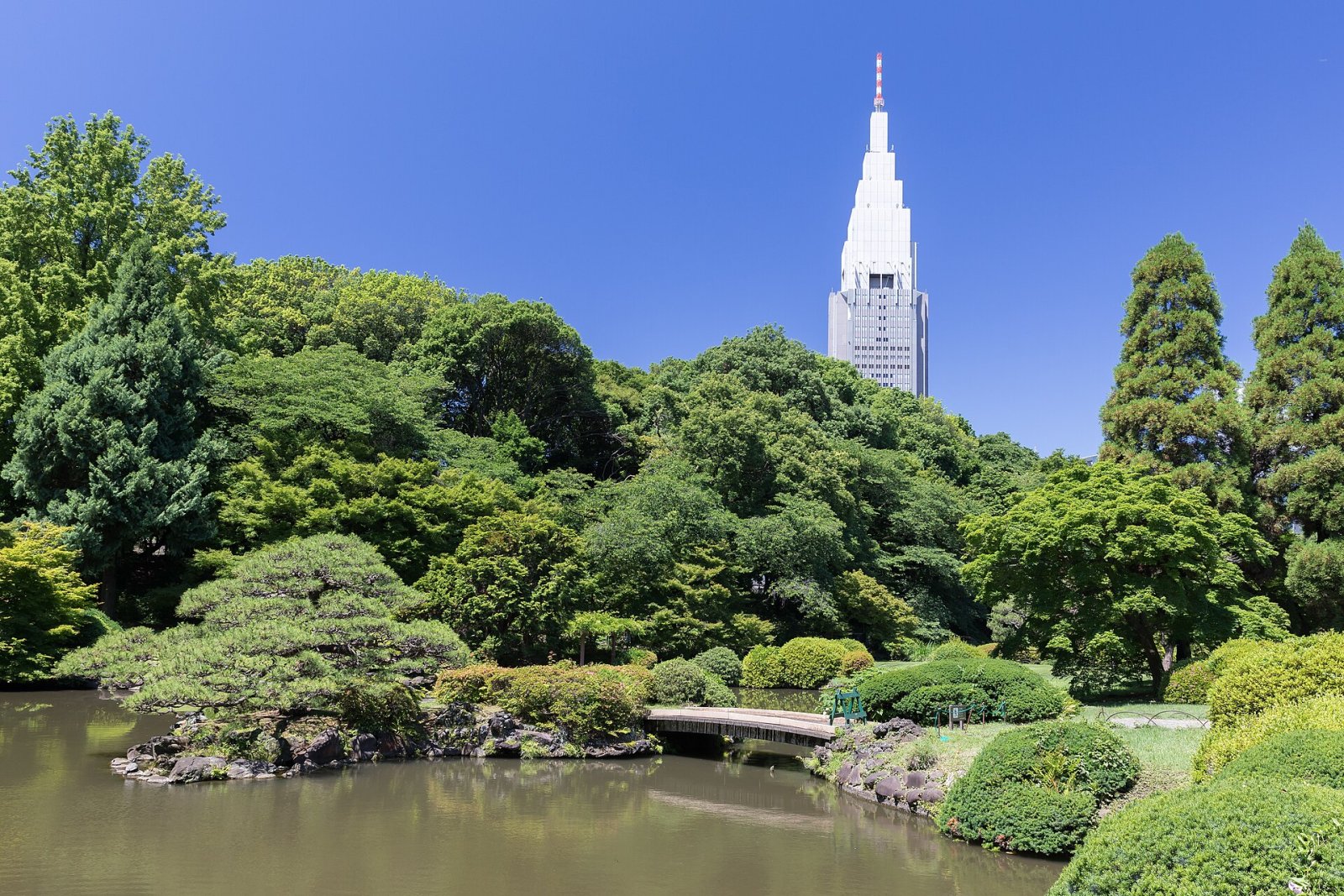
Shinjuku Gyoen is much more than just a park: it is a place where history and nature intertwine. Visiting this green space means immersing yourself in an atmosphere of peace that contrasts with the dynamism of metropolitan life. Each season brings unique colors and scents, making the park a fascinating destination at any time of the year. From the cherry blossom season in spring to the explosion of autumn colors, every visit offers a new and surprising experience.
Moreover, Shinjuku Gyoen is a place for leisure and relaxation. Whether it's a quiet walk along the paths, a picnic on the grass, or a visit to the gardens, every activity is an opportunity to connect with nature and reflect. Here, visitors can forget their daily worries and enjoy the beauty that surrounds them, making this park a must-visit for anyone traveling to Tokyo.
Landscape and Atmosphere
The landscape of Shinjuku Gyoen is a masterpiece of botanical design. The Japanese gardens feature serene ponds, wooden bridges, and ancient trees, creating an environment of serenity and contemplation. The paths are lined with seasonal flowers, offering a constantly changing palette of colors. The atmosphere is that of a refuge, where the singing of birds and the rustling of leaves accompany visitors on a unique sensory journey.
In particular, the French garden, with its well-tended flowerbeds and symmetrical paths, offers a fascinating contrast to the more traditional Japanese garden. This fusion of styles represents the history of Tokyo itself, a city that embraces the modern while not forgetting its cultural roots. The calm that reigns in the park is palpable, making Shinjuku Gyoen an ideal place to regain balance and inner peace.
What to See and Do
Within Shinjuku Gyoen, visitors can explore various themed areas, each with its own charm. The Japanese Garden, with its elegant stone lanterns and ponds populated by koi carp, invites meditation and contemplation. The well-maintained paths allow for the discovery of hidden corners and enchanting views, perfect for capturing memorable photographs.
Additionally, the park hosts a greenhouse with tropical and subtropical plants, an intriguing experience that transports visitors to an exotic environment. During blooming seasons, special events and festivals are organized, allowing immersion in Japanese culture through the celebration of nature. Whether it's a solitary walk or a gathering with friends, Shinjuku Gyoen offers activities for all tastes.
Practical Information for Visitors
Shinjuku Gyoen is easily accessible thanks to its central location in Tokyo. Shinjuku Station, one of the largest and busiest in the city, is just a short walk from the park entrance. The entrance fee is modest, making this natural treasure accessible to everyone. It is advisable to visit the park during opening hours to fully enjoy its beauty in tranquility.
Furthermore, it is important to note that the park is closed on Mondays, so it's wise to plan your visit accordingly. Bringing a picnic is a great idea, as there are many green areas to relax and enjoy a meal immersed in nature. For those looking to explore further in Tokyo, the Secret World app can provide useful information and suggestions for discovering other fascinating places in the Japanese capital.


