
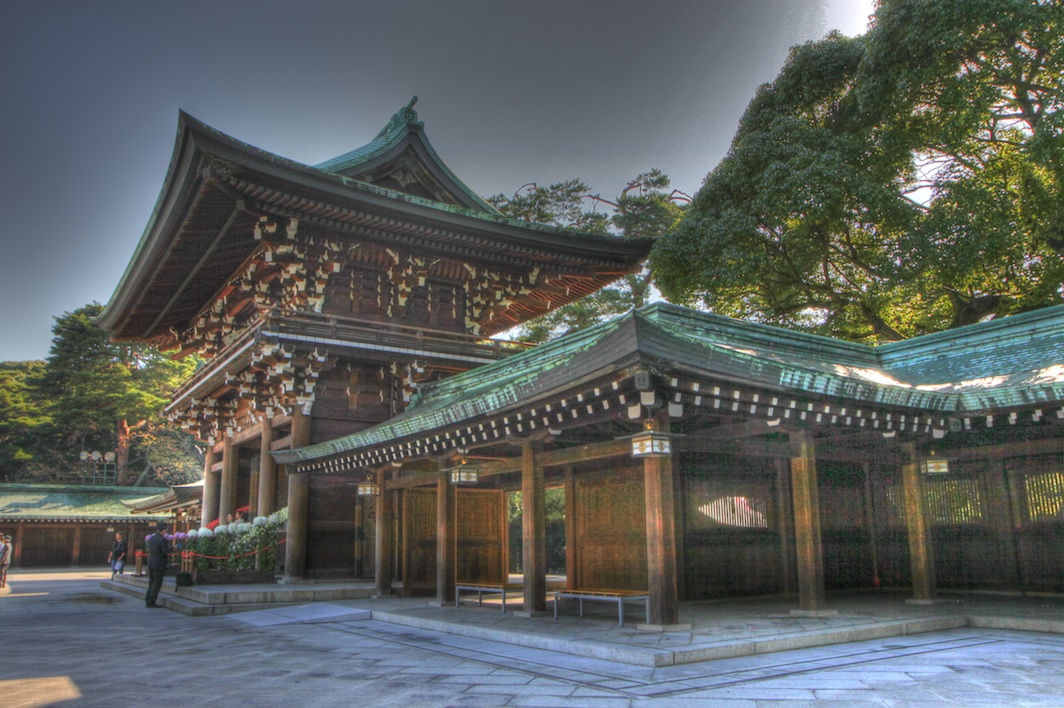

Nestled within the bustling heart of Shibuya-ku, the Meiji Jingu Shrine offers a serene escape from the city’s frenetic pace. Established over a century ago, this sacred site honors the divine spirits of Emperor Meiji and Empress Shoken, pivotal figures in Japan's transition into the modern era. The shrine is enveloped by a sacred forest, home to more than 100,000 trees, creating a tranquil haven that feels worlds away from the surrounding urban landscape.
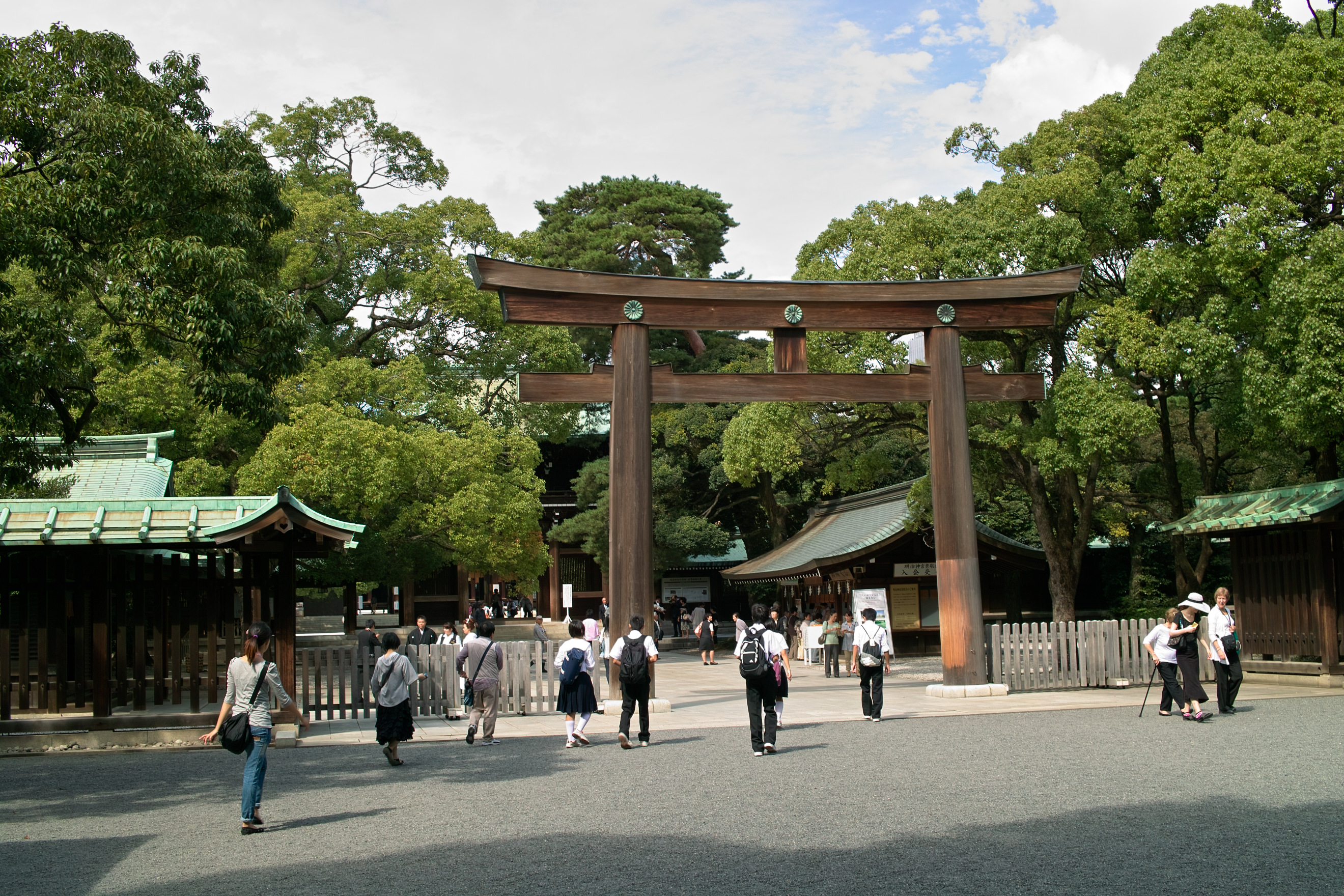
History and Origins The roots of Meiji Jingu trace back to 1920, just two years after the death of Emperor Meiji, who reigned from 1868 to 1912. This period marked a significant transformation for Japan, as the nation embraced modernization and Western influences while retaining its rich cultural heritage. The shrine was established to honor not only the emperor but also his wife, Empress Shoken, who played a vital role in social reforms and the advancement of women's rights.
The construction of the shrine was a national effort, reflecting the unity of the Japanese people in their respect for the imperial couple. The site was chosen for its natural beauty, nestled in Yoyogi Park, which had been designated as a sacred area. The shrine was completed in 1920, but it faced devastation during World War II, only to be rebuilt in 1958. Today, it stands as a testament to resilience and reverence.
Art and Architecture The architecture of Meiji Jingu is a striking example of Shinto design, characterized by its simplicity and harmony with nature. The main structure, called the Honden, showcases a traditional nagare-zukuri style, evident in its gently curving roof adorned with cypress bark. The use of natural materials, such as wood and stone, emphasizes a connection to the natural world.
Inside the shrine, visitors can find intricately designed artworks and calligraphy that depict the virtues of Emperor Meiji and Empress Shoken. A notable feature is the tamagaki (a fence surrounding the inner shrine), which symbolizes the boundary between the sacred and the profane. The serene atmosphere is further enhanced by the shrine’s gardens, featuring seasonal flowers and tranquil pathways that invite contemplation.
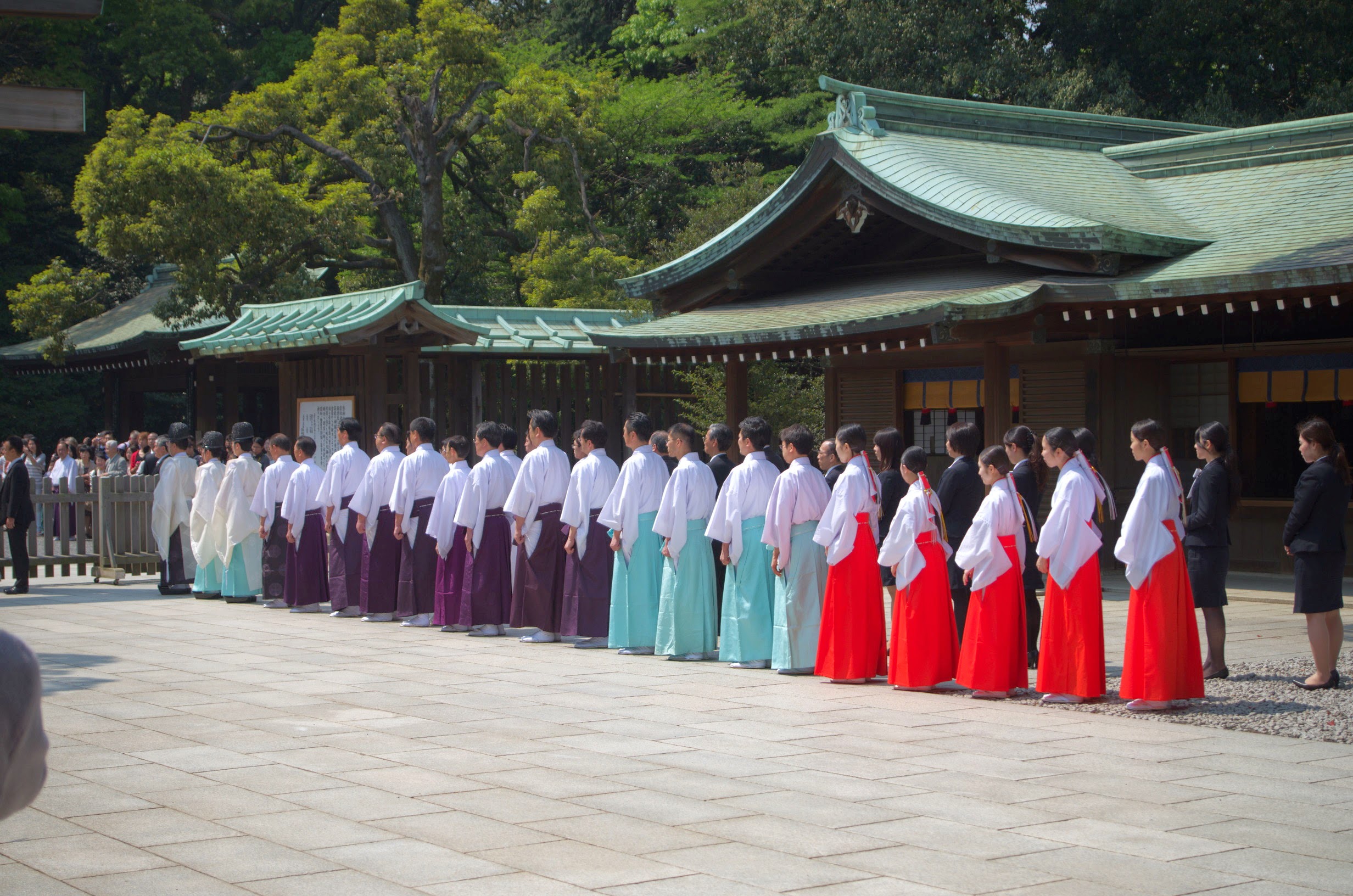
Local Culture and Traditions Meiji Jingu Shrine is a hub of cultural activity and spiritual significance. Shinto rituals are performed here regularly, and visitors can witness ceremonies such as Shichi-Go-San, a traditional rite of passage for children aged three, five, and seven. The shrine is also a popular site for wedding ceremonies, with couples often dressing in traditional attire and celebrating their union amidst the natural beauty.
One of the most popular events is the Meiji Jingu Spring Grand Festival, held in April, which showcases various traditional performances, including kagura (Shinto music and dance) and archery displays. These events not only highlight the shrine's cultural importance but also foster community spirit and connection to Japan's rich heritage.
Gastronomy A visit to Meiji Jingu wouldn’t be complete without indulging in local delicacies. Nearby, you can find stalls selling yaki-tori (grilled chicken skewers) and dango (sweet rice dumplings), both of which are popular snacks among shrine visitors. The shrine’s tea house, known as Kagurazaka, offers matcha (green tea) and local sweets, allowing guests to immerse themselves in Japanese culinary traditions while enjoying the peaceful setting.
Lesser-Known Curiosities Among the many fascinating aspects of Meiji Jingu is the wishing tree, where visitors can write their wishes on small wooden tablets called ema and hang them on designated racks. This tradition is deeply rooted in Shinto beliefs and adds a personal touch to the shrine experience. Additionally, the shrine is home to a unique forest bath area, where the healing power of nature can be experienced through guided meditation and relaxation sessions.
For those who venture deeper into the forest, there are hidden trails and serene ponds, offering a quiet retreat for reflection and connection with nature. The shrine is also a sanctuary for various bird species, making it a fantastic spot for birdwatching enthusiasts.
Practical Visitor Information The best time to visit Meiji Jingu Shrine is during the spring months of March to May when the cherry blossoms bloom, or in autumn from October to November when the foliage transforms into a golden tapestry. Visitors are encouraged to arrive early in the morning to experience the tranquility of the shrine before it gets crowded.
When visiting, be respectful of the customs; bow at the entrance and follow the local practices of purification at the temizuya (water basin) before approaching the main shrine. Take a moment to explore the surrounding gardens and enjoy the peaceful ambiance that envelops this sacred space.
In conclusion, Meiji Jingu Shrine is not just a historic site; it is a living embodiment of Japan’s spiritual and cultural heritage. Every corner tells a story, and every ritual connects visitors to the past, making it a must-visit destination in Shibuya-ku. To enhance your experience, consider using the Secret World app to craft a personalized itinerary for your journey.


