
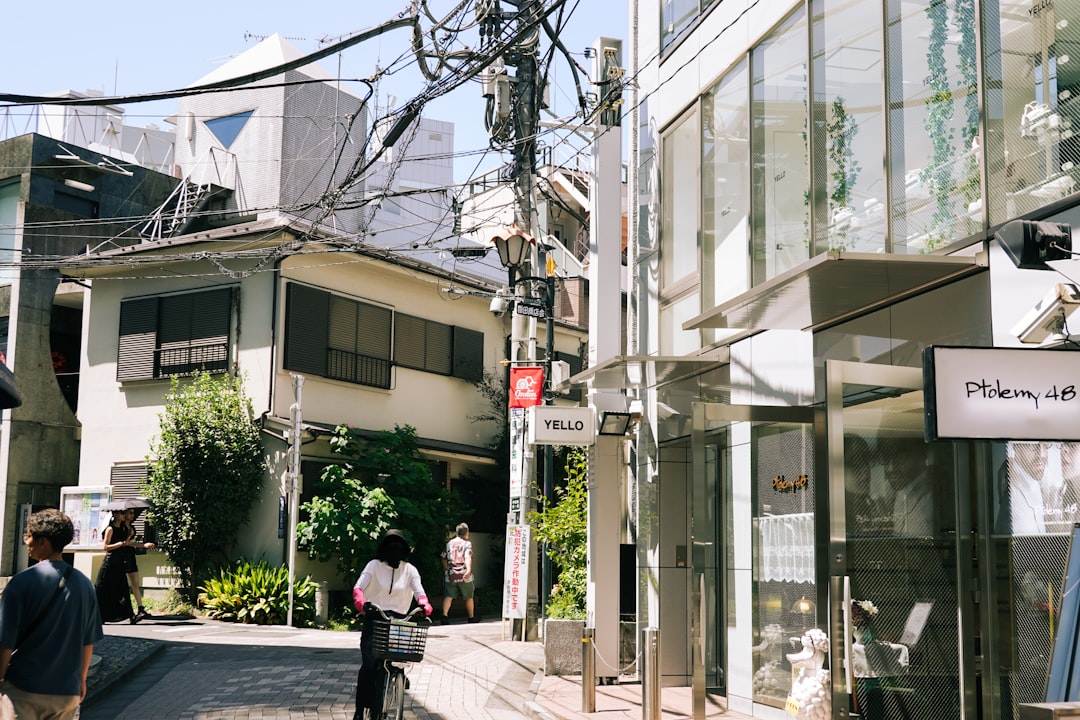

Harajuku, located in the Shibuya district of Tokyo, is an iconic place that represents Japanese youth culture. Famous for its vibrant and colorful streets, Harajuku is the benchmark for the latest trends in fashion and music, attracting visitors from all over the world. With its unique atmosphere and eccentric boutiques, it is a microcosm of creativity and innovation.
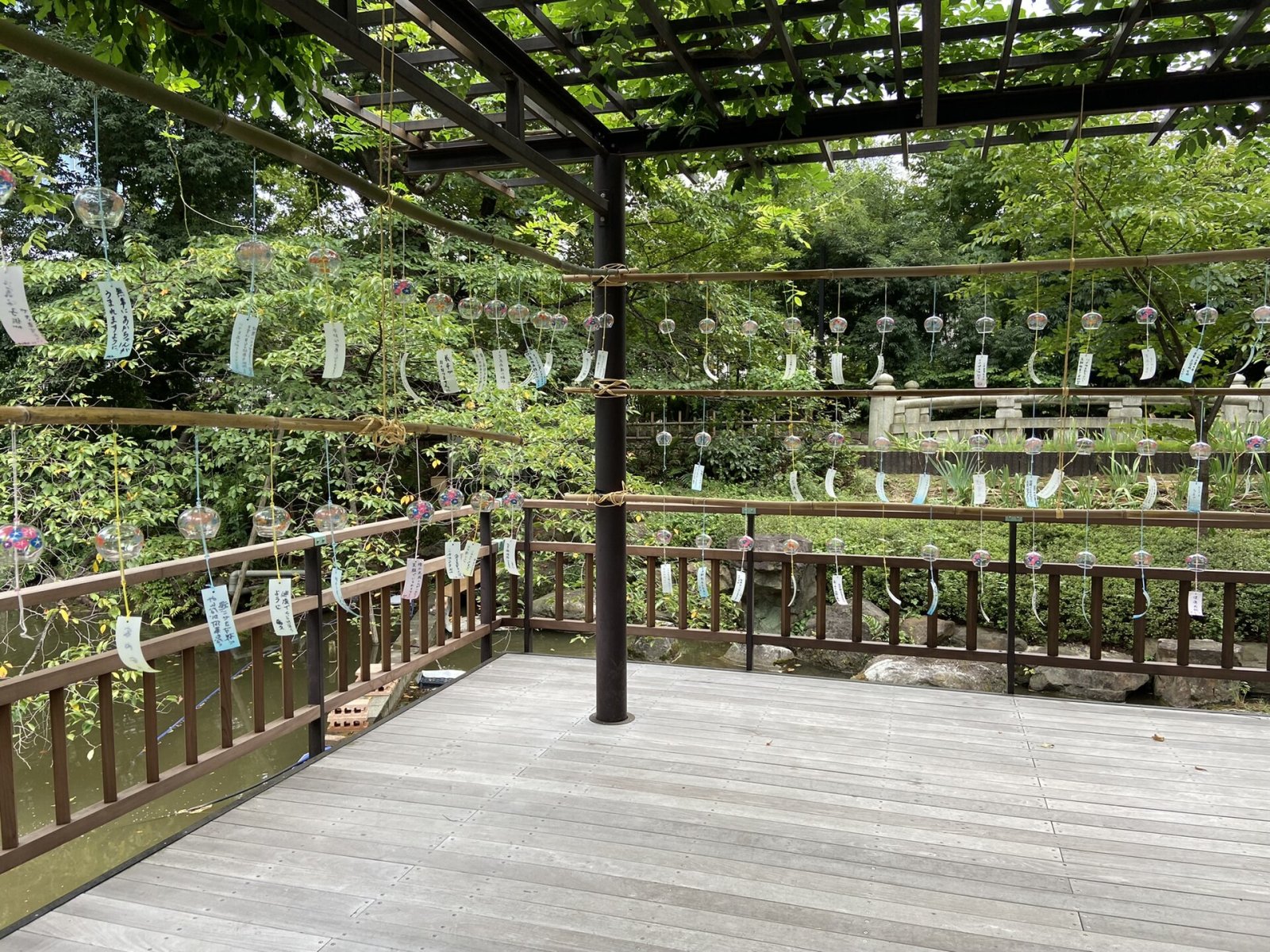
This neighborhood is also a symbol of the fusion between tradition and modernity, where ancient temples stand alongside futuristic shops. Visitors can stroll along the famous Takeshita Street, explore themed cafes, and immerse themselves in the street art that adorns every corner. Harajuku is not just a place, but an experience that reflects the rich Japanese culture.
Historical and Cultural Context
Harajuku has a fascinating history that dates back to ancient times, but it became a significant cultural center in the 20th century. With the opening of Japan to the world during the Meiji period, Harajuku saw an influx of Western influences that shaped its identity. In the 1980s and 1990s, the neighborhood emerged as the hub of youth fashion, where young Japanese began to express their individuality through bold and creative styles.
Today, Harajuku continues to be a laboratory of trends and innovations, where new generations gather to share their passion for fashion, art, and music. The presence of events and festivals, such as the famous Harajuku Omotesando Genki Matsuri, celebrates local culture and its youthful spirit, making this neighborhood a landmark for contemporary creativity.
What Stands Out About the Place
One aspect that immediately strikes visitors to Harajuku is its extraordinary aesthetic diversity. Every corner offers unique visual stimuli, from the eccentric clothing of passersby to the extravagant shop windows. The variety of styles, ranging from kawaii (cute) to goth, from harajuku style to vintage, reflects a personal interpretation of fashion that is rare to find elsewhere. This melting pot of influences makes Harajuku a place of continuous discovery.
Moreover, street culture is palpable at every corner. Artists and performers freely showcase their talents, creating a vibrant and dynamic atmosphere. Colorful murals and artistic installations make walks through the neighborhood a visually stimulating experience. It is not uncommon to stumble upon pop-up events or art exhibitions taking place in cafes and public spaces, contributing to an ever-evolving environment.
Visiting Experience
Visiting Harajuku is an experience that engages all the senses. A walk along Takeshita Street is a must, where visitors can explore a myriad of shops, from emerging fashion brands to unique souvenir stores. Don't forget to savor the famous Japanese crepe, a delight that can be found at numerous stalls along the street. Each bite is an explosion of flavors and colors, perfectly in line with the lively atmosphere of the neighborhood.
For those seeking a moment of tranquility, the nearby Meiji Shrine offers a fascinating contrast to the hustle and bustle of Harajuku. Nestled in lush woodland, the shrine is an ideal place to reflect and appreciate Japanese spirituality. The combination of modernity and tradition makes Harajuku a place where every visitor can find something special and unique.
Practical Information for Visitors
Harajuku is easily accessible by Tokyo's subway, making it convenient for anyone in the Japanese capital. Harajuku Station is located on the Yamanote Line, one of the most important and busiest lines in the city. Once you arrive, it is advisable to dedicate an entire day to explore the neighborhood and immerse yourself in its vibrant culture.
It is important to keep in mind that Harajuku can be very crowded, especially on weekends. Therefore, for a more pleasant experience, it is recommended to visit during the morning hours or on weekdays. Finally, for those who wish to further explore Japanese culture, the Secret World app offers useful information and suggestions on events and places to visit, making your exploration even richer.


