


The mosques represent a fundamental aspect of Islamic culture and architecture, and in Oman, some of the most fascinating can be admired. These places of worship are not only spaces for prayer but also community centers and symbols of cultural identity. Their architectural beauty and spiritual significance make them must-visit destinations for anyone traveling to the country.
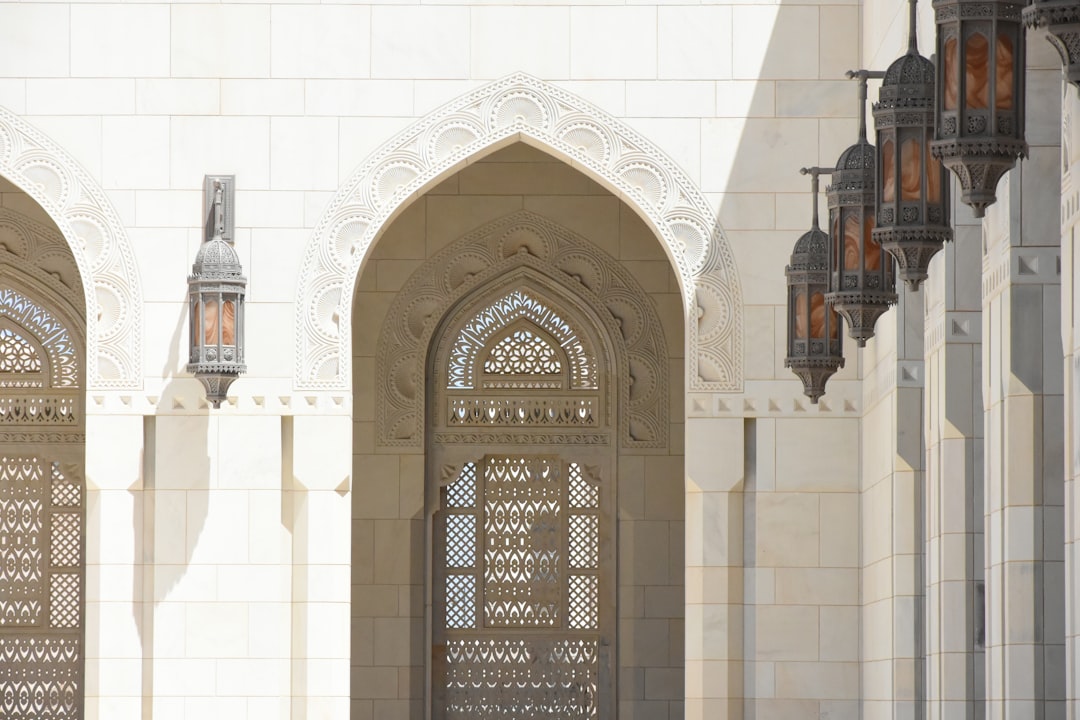
In Oman, mosques perfectly integrate with the surrounding landscape, reflecting local history and traditions. Each mosque has its uniqueness, expressed through architectural details and decorations, offering visitors a rich and varied experience. The mosque, as a place of worship, is also a symbol of peace and hospitality, where visitors can immerse themselves in Islamic spirituality and culture.
Historical and Cultural Context
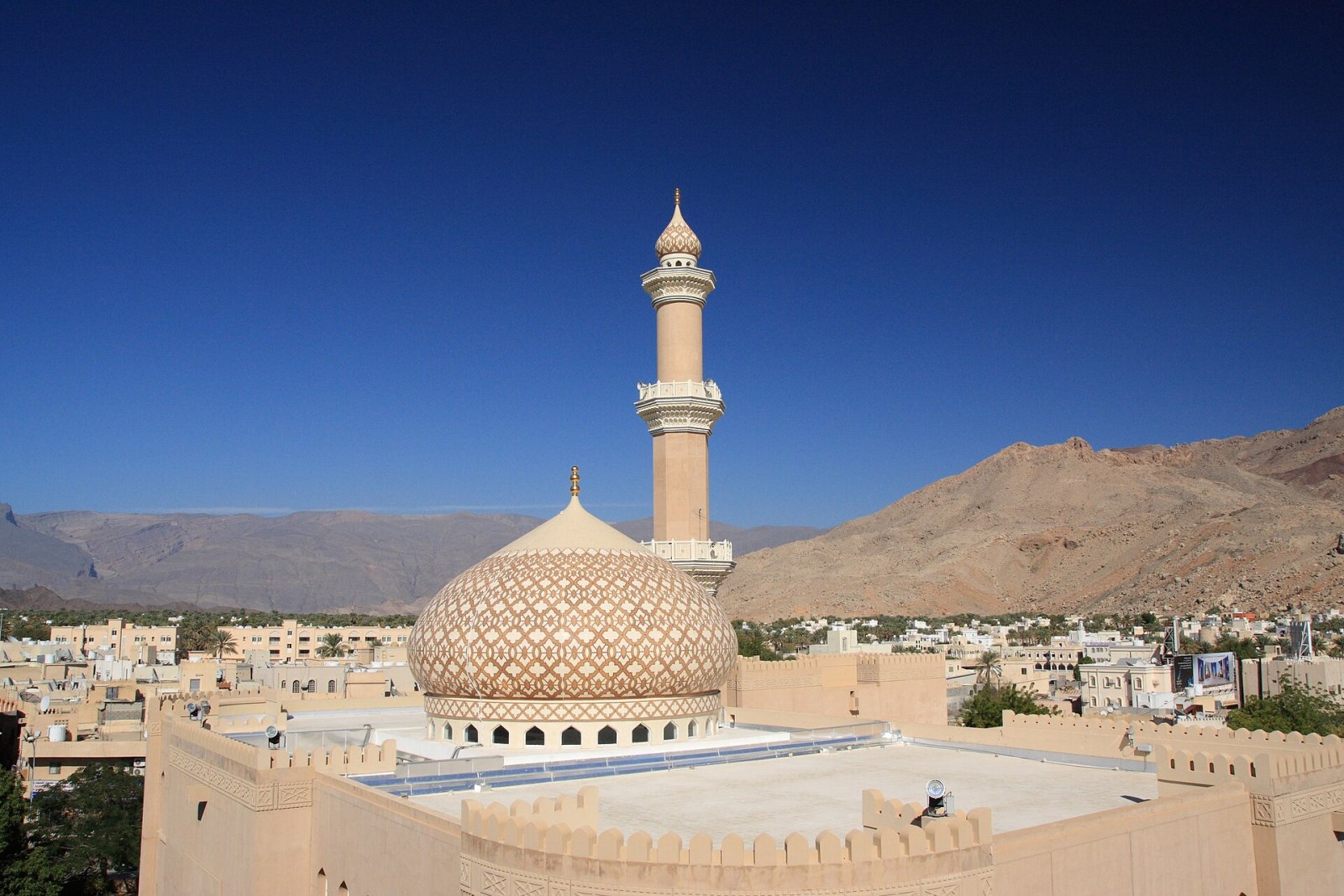
The mosques in Oman have deep roots in the country's history and have witnessed significant religious and social events. These buildings, which serve as places of prayer for Muslims, are characterized by distinctive architectural elements, such as minarets and mihrab, which indicate the direction of Mecca. The construction of mosques dates back to the early days of Islam when believers gathered in simple spaces to practice their faith.
Over the centuries, mosque architecture has evolved, incorporating local styles and techniques. Omani mosques present a mix of Islamic influences and local traditions, creating a unique harmony between functionality and aesthetic beauty. These places are not only religious centers but also spaces for learning and socializing, where the community gathers for events and celebrations.

What Stands Out About the Place
What strikes most about the mosques in Oman is their majestic architecture and meticulous details, reflecting the craftsmanship of local artisans. The facades of the mosques are often adorned with intricate tiles and geometric patterns, offering a visual spectacle that captures the attention of anyone approaching. The soaring minarets, reaching towards the sky, serve not only as landmarks but also as symbols of faith and spirituality.
Inside, the atmosphere is one of calm and serenity. Visitors can admire the mihrab, the niche that indicates the direction of Mecca, and the minbar, the pulpit from which the muezzin delivers the sermon. The light filtering through the decorated windows creates a play of shadows and colors that enriches the visual experience, making each visit unique. The feeling of peace and reflection experienced inside a mosque is indescribable and invites contemplation.
Visiting Experience
Visiting a mosque in Oman is an experience that goes beyond mere architectural observation. It is an opportunity to immerse oneself in local culture and understand religious practices. Many mosques welcome non-Muslim visitors, offering guided tours that explain Islamic history and traditions. It is important to respect the rules of dress and behavior, as these are sacred places.
During the visit, there is an opportunity to interact with community members, who are often happy to share their experiences and explain the significance of various religious practices. This cultural exchange further enriches the visit, allowing for a deeper understanding of daily life in Oman. Each mosque offers a unique atmosphere, making every visit a memorable experience.


